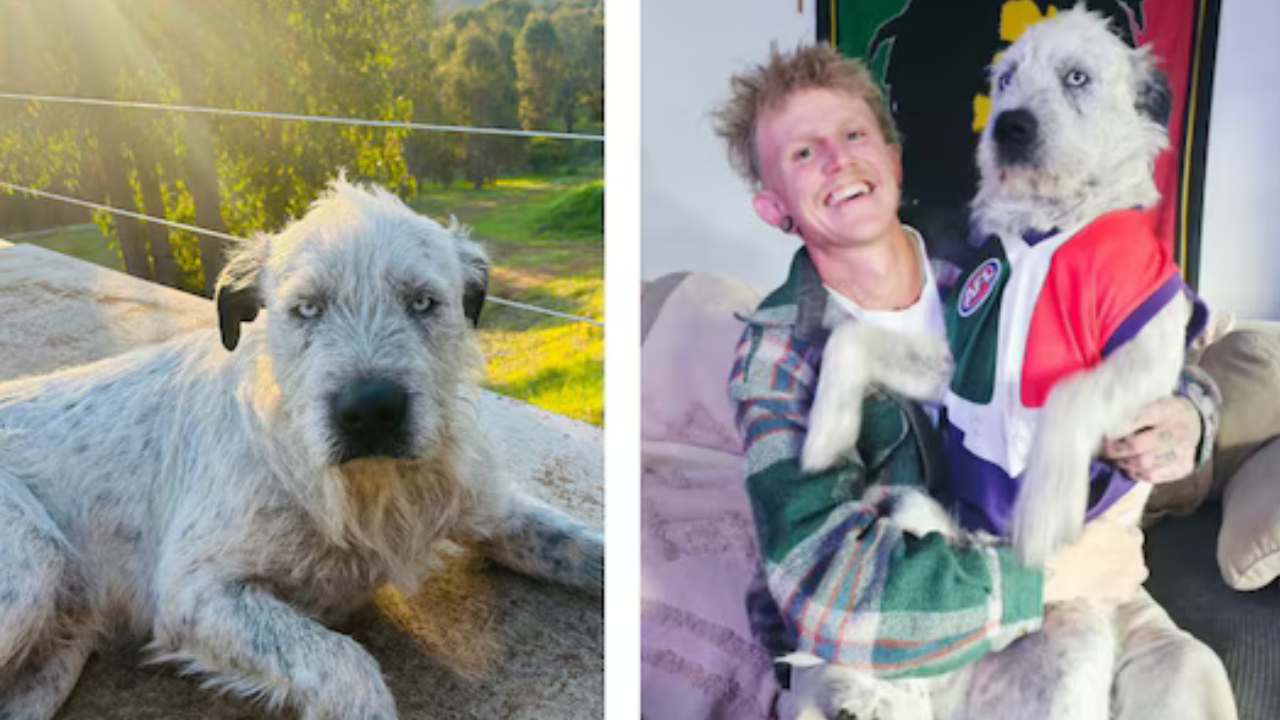
Losing a pet turns your world upside down instantly. You stop sleeping, you scour every patch of grass in your neighborhood, and you plaster social media with high-stakes pleas. When Westyn Ruyter lost his 18-month-old dog Bundy in rural Western Australia, he did what any devastated owner would do. He put up posters, notified local veterinarians, and slapped a hefty A$10,000 cash reward on the table for his safe return.
Instead of getting his Irish wolfhound and blue heeler cross back, Ruyter walked straight into a psychological trap. A stranger reached out claiming to have the dog, followed by an immediate piece of "proof" showing Bundy trapped inside a cage. It looked convincing at first glance. But a closer look revealed the dark side of modern deception: an artificial intelligence-generated image crafted entirely to exploit a grieving owner's wallet.
The Anatomy of a Missing Pet AI Scam
Scammers don't need sophisticated criminal syndicates anymore. They just need an internet connection and public social media posts. When owners post clear, high-resolution photos of their lost animals along with their phone numbers and reward amounts, they inadvertently hand bad actors all the raw materials required for forgery.
In Ruyter's case, the scammer took an existing photo of Bundy that had already been uploaded to Facebook and ran it through generative tools. The result was a fabricated visual placing the dog behind blurred cage bars next to a fake bowl. It was designed to trigger an immediate emotional response, forcing the owner's brain to override rational skepticism.
Cybersecurity experts point out that seeing a familiar animal in a photo creates a powerful cognitive bias. You see your dog's face, so your brain automatically assumes the person sending it must have the animal in their possession. The reality is starkly different. Generating or manipulating a photo takes seconds, while locating a lost animal in a 240-square-kilometer region takes actual physical effort. The scammer had no dog, no location, and zero intention of showing up at the agreed meeting point outside a general store in Balingup.
How Scammers Exploit Desperation Online
The Australian Competition and Consumer Commission’s National Anti-Scam Centre tracks these fraudulent schemes closely. When emotions run high, cognitive defenses drop. Bad actors rely on a few specific pressure tactics to trick people who are searching for lost pets:
- Urgency and Time Pressure: Scammers will claim the animal is cold, injured, or about to be moved elsewhere, demanding quick decisions or immediate wire transfers.
- Remote Leverage: They will refuse phone calls or video walk-throughs, insisting that payment via gift cards, cryptocurrency, or instant bank transfer must happen before they share the exact GPS coordinates.
- Recycled Digital Assets: They scrape profile pictures, family photos, and missing-dog flyers to build custom fake evidence that looks authentic on a cracked smartphone screen.
The National Anti-Scam Centre warns that any demand for money or cryptocurrency upfront before a physical, face-to-face handover is a massive red flag. If someone truly has your pet, they should have no problem meeting in a public, well-lit place—like a local police station parking lot or an open veterinary clinic—where you can verify the animal's identity before exchanging a single cent.
Protecting Yourself When Your Pet Goes Missing
Sharing information online is essential when you are trying to find a missing animal, but you have to operate with a layer of operational security. You don't need to hand scammers a blank canvas to exploit.
First, never post every single identifier or unique marking of your pet in public view. Leave one or two specific physical traits off the public flyer—such as a tiny scar, a missing tooth pattern, or a specific spot under their belly. When someone calls claiming they found your animal, ask them to describe that hidden trait before you agree to drive anywhere or discuss reward money.
Second, treat every digital photo sent by a stranger as unverified until proven otherwise. Zoom in on the edges. Look for weird lighting artifacts, warped cage bars, mismatched fur textures around the edges of the animal's body, or background objects that warp unnaturally. Generative tools have gotten better, but they still leave telltale digital fingerprints when hastily slapped together.
Third, change how you handle reward money. Instead of advertising cash up front on public forums, state that a reward is available upon safe return. When someone contacts you with claims of a sighting or recovery, insist on a live video call or a direct meeting in a secure public zone. If the person makes excuses about why they can't show their face or video-chat the animal live, block their number immediately.
The search for Bundy in Western Australia's South West region serves as a harsh reminder of how technology alters everyday vulnerability. Grief makes people easy targets, but awareness is your best shield against fraudsters who weaponize your love for your animal. Keep your head clear, verify every claim through physical reality, and never let an algorithm trick you into paying a ghost.