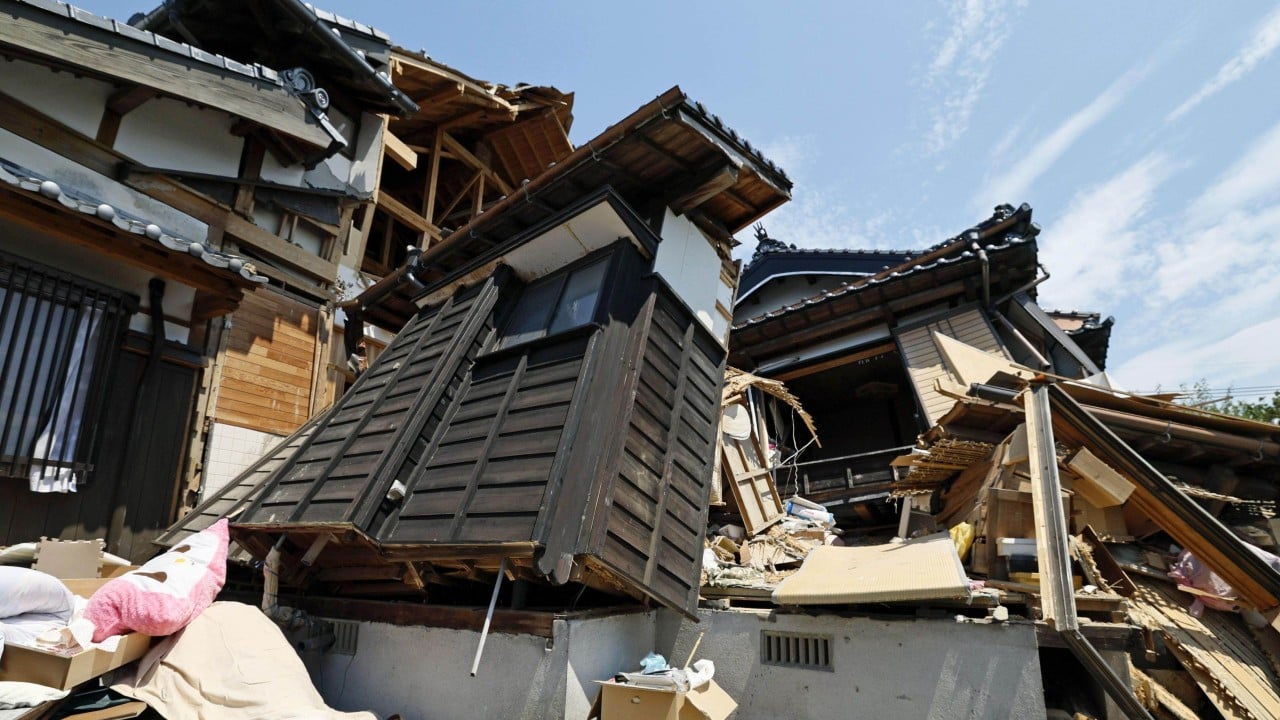
Disasters bring out the best in people, but they also attract the absolute worst. After the recent earthquake in Japan’s Kumamoto prefecture, a disturbing new threat has emerged. It isn't just the tremors or the structural damage anymore. It’s the arrival of predators wearing the uniforms of the people sent to help.
Reports are surfacing about criminals dressed as Japan Self-Defense Forces (SDF) personnel, prowling through evacuated neighborhoods. They aren't there to rescue anyone. They’re there to loot.
If you think Japan is immune to this kind of opportunism, think again. I’ve seen enough disaster zones to know that when law and order are stretched thin, the social contract often breaks down. The appearance of "fake troops" is a calculated move designed to bypass the natural suspicion residents feel toward strangers. When you see a uniform in a crisis, you want to believe it’s a savior. These criminals are betting everything on that instinct.
The Psychology of the Uniform Scam
Why impersonate the military? It's simple. In Japan, the SDF is held in high regard. They are the ones who dig through the rubble and provide life-saving aid. By wearing the gear, these thieves effectively become invisible.
Most people won’t challenge a person in uniform. They’ll open their doors. They’ll leave their homes unattended when told to evacuate. It’s a genius, albeit sociopathic, way to gain access to private property that would otherwise be secured.
Honestly, it’s a terrifying evolution of disaster fraud. We’ve all seen the typical charity scams where anonymous websites pop up to fleece donors. But this is physical. It’s face-to-face. It turns the very symbol of safety—the uniform—into a tool of victimization.
Why This Should Worry Everyone
You might be asking why this matters if you aren't currently in Kumamoto. It matters because it sets a precedent. If this tactic succeeds in one disaster zone, it becomes a blueprint for criminals elsewhere.
Don't assume that local authorities can just "stop" these people immediately. During a large-scale earthquake, police and rescue teams are overwhelmed. They’re busy saving lives, not policing every single street corner for people who look like soldiers. This gap in security is exactly where these individuals operate.
I’ve looked into similar patterns of post-disaster crime, and the trend is clear: as physical security weakens, social engineering intensifies. They rely on the chaos to mask their movements. If a neighbor sees someone in a military-style uniform carrying a bag out of a house, they’re likely to assume the person is just doing their job, maybe clearing out hazard-prone items. They won’t call the police. That’s the real tragedy.
Protecting Your Home in a Crisis
If you find yourself in an emergency zone, you have to change how you view "official" help. It sucks, but it’s the reality. Here’s what you need to keep in mind:
- Check for Credentials: Real SDF members and government rescue teams don’t just walk up to houses. They carry identification and are part of clearly marked units. If someone is acting alone or doesn't have a clear command structure behind them, be suspicious.
- Verify Through Channels: If someone says they are there to "secure your home" or "assess damage," don't let them in immediately. Check with your local ward office or designated evacuation center if such a service is actually happening in your area.
- Never Assume Uniforms Equal Safety: It’s a harsh lesson. I’ve learned through experience that criminals are adaptable. They watch the news, they buy the surplus gear, and they exploit the trust you’ve been taught to have in uniforms.
The Reality Behind the Headlines
This isn't just about theft. It’s about the erosion of trust in the institutions that people depend on during their darkest hours. When residents start fearing the people who are supposed to be helping them, the recovery process stalls. Fear is a paralyzing force.
The Japanese authorities are doing what they can, but their resources are strained. The best defense against these vultures is awareness. If you see something that doesn't feel right, document it if you can—from a distance—and report it to the actual police, not just the people standing there in uniforms.
Don't let the uniform fool you. The genuine helpers are focused on the mission, not on raiding your living room for valuables. Keep your guard up, even when it feels wrong to do so. In the aftermath of a disaster, suspicion can be a survival skill.
Stay alert. Verify everyone. Keep your head on a swivel until the situation is officially declared stable.