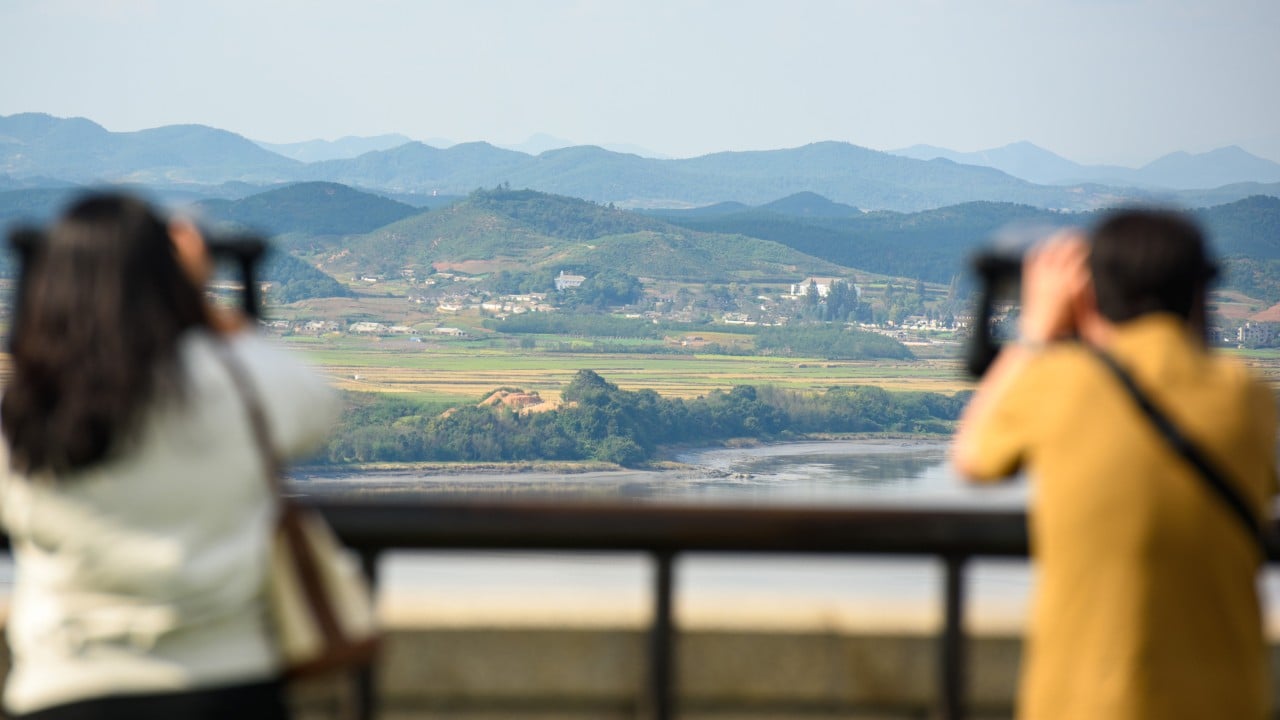
A routine operation inside the world’s most heavily fortified border turned bloody when a hidden explosive detonated. Three South Korean soldiers suffered injuries, two of them severe, during a frontline sweep by the army's 25th Infantry Division inside the Demilitarized Zone. They were airlifted to the Armed Forces Capital Hospital immediately.
This isn't just an isolated military accident. It's the inevitable byproduct of a rapidly deteriorating security environment along the 38th parallel.
If you've been tracking the Korean peninsula, you know things changed drastically when Pyongyang formally declared inter-Korean relations a "hostile two-state relationship." Since then, North Korean forces have spent months actively planting new ordnance, throwing up anti-tank barriers, and ripping up buffer zones.
So what actually happened during this latest explosion, and why is everyone scrambling for answers?
The Ambiguity of the Blast
Military investigators are currently facing a frustrating puzzle. They still can't confirm whether the device that detonated was an old relic from the 1950 to 1953 Korean War, a modern mine laid by North Korean troops, or something that shifted southward due to heavy seasonal rains.
Roughly 800,000 landmines are estimated to litter the broader border region. Many date back decades, rusted and hidden beneath overgrown brush.
Yet, recent context points heavily toward ongoing escalation. North Korean border units have spent the past year aggressively laying new explosives to physically seal off the frontier. In doing so, Pyongyang's own troops have frequently fallen victim to accidental detonations during their border-sealing operations.
When you cram hundreds of thousands of active and legacy explosives into a narrow strip of land, accidents stop being anomalies. They become statistics waiting to happen.
Why the DMZ Remains a Ticking Time Bomb
People often imagine the DMZ as a frozen relic of the Cold War where nothing ever moves. That's completely false. It's a dynamic, high-tension operational zone.
North Korean forces have been spotted crossing the Military Demarcation Line dozens of times over short stretches, tearing down trees, building barren zones, and laying fresh barriers. South Korean troops have to respond with increased reconnaissance, patrols, and operational sweeps.
Every time a soldier steps into the brush, they're playing Russian roulette with decades of hidden hardware.
- Legacy ordnance: Decades-old mines shift during monsoons and floods, drifting across demarcation lines.
- New fortifications: Recent North Korean engineering work has introduced fresh, unmapped minefields.
- Operational pressure: Increased patrols to monitor border violations raise the sheer frequency of exposure.
What Happens Next on the Frontier
Seoul's military leadership is coordinating closely with the United Nations Command to pinpoint the exact origin of the device. But finding out who planted the mine won't change the ground reality.
The border is hotter and more dangerous than it has been in years. As long as Pyongyang continues its aggressive physical partitioning of the peninsula, routine operations for South Korean soldiers will carry life-altering risks.
Stop thinking of the DMZ as a quiet tourist attraction or a static museum piece. Right now, it's an active hazard zone where a single misstep can trigger a crisis.