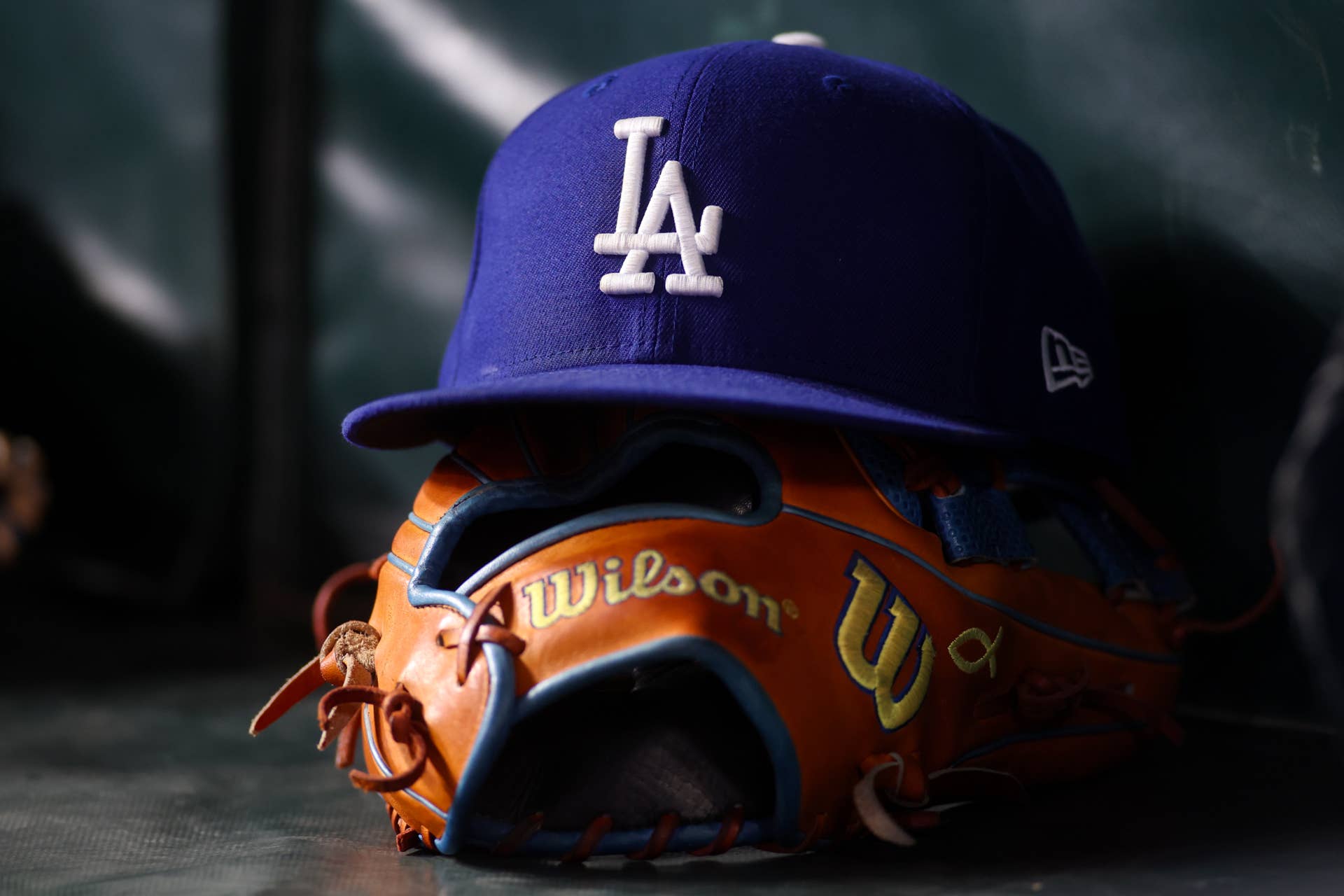
The Los Angeles Dodgers strike again. While the rest of baseball watches quietly, Andrew Friedman and company made a calculated gamble, acquiring infielder Royce Lewis from the Minnesota Twins. In return, the Twins received right-handed pitcher Bobby Miller and 19-year-old catching prospect Francisco Espinoza.
It is a classic buy-low trade for a team that loves reclamation projects with massive upside. Lewis entered the league as the top overall pick in the 2017 draft, flashing MVP-caliber talent when his legs and shoulders cooperated. Yet, staying on the field has been an ongoing battle. If anyone can unlock consistent production out of a former superstar talent, it's the Dodgers' player development machine.
What Los Angeles is Getting in Royce Lewis
When you look past the injury history, the offensive potential is undeniable. Lewis played 125 games in 2026, logging 105 hits and 15 home runs. That represents the healthiest stretch of his Major League career, even if his overall numbers dipped over the past couple of seasons.
He offers defensive versatility across the infield. Expect the Dodgers to deploy him primarily at second base while giving him reps behind Max Muncy and Freddie Freeman against left-handed pitching. Having a right-handed bat with legitimate pop adds immediate depth to a lineup that never stops tinkering. Plus, coming home to Southern California might just provide the exact spark he needs.
Why the Twins Cut Ties
Minnesota faced a crunch point with arbitration-eligible players. Lewis was projected to pull in roughly $5.1 million, and the front office was staring down roster decisions they couldn't afford to get wrong. Rather than risking a non-tender or blocking younger pieces, they flipped him for pitching help and system depth.
Bobby Miller needs a fresh start just as badly as Lewis does. After a promising rookie campaign in Los Angeles where he posted a 3.76 ERA over 124.1 innings, Miller unraveled over the next few seasons, struggling with command and consistency. The Twins desperately need bullpen stability and arms with high velocity. Miller gives them a high-ceiling project to tinker with in Triple-A, while Espinoza brings projectable catching depth down on the farm.
The Real Risk for the Dodgers
Trading away a flamethrower like Miller always carries some risk, especially given how hard it is to find triple-digit velocity. If Miller figures out his mechanics in Minnesota, people will second-guess this deal.
At the same time, the Dodgers didn't surrender a core piece of their active roster. They added a dynamic right-handed hitter who can play multiple positions without breaking the bank or blocking their long-term plans. Low-risk, high-reward moves are how dynasties maintain their grip on the league.
Watch how Los Angeles manages his workload early in the season. If Lewis stays healthy, this trade goes down as another masterclass in roster optimization.


