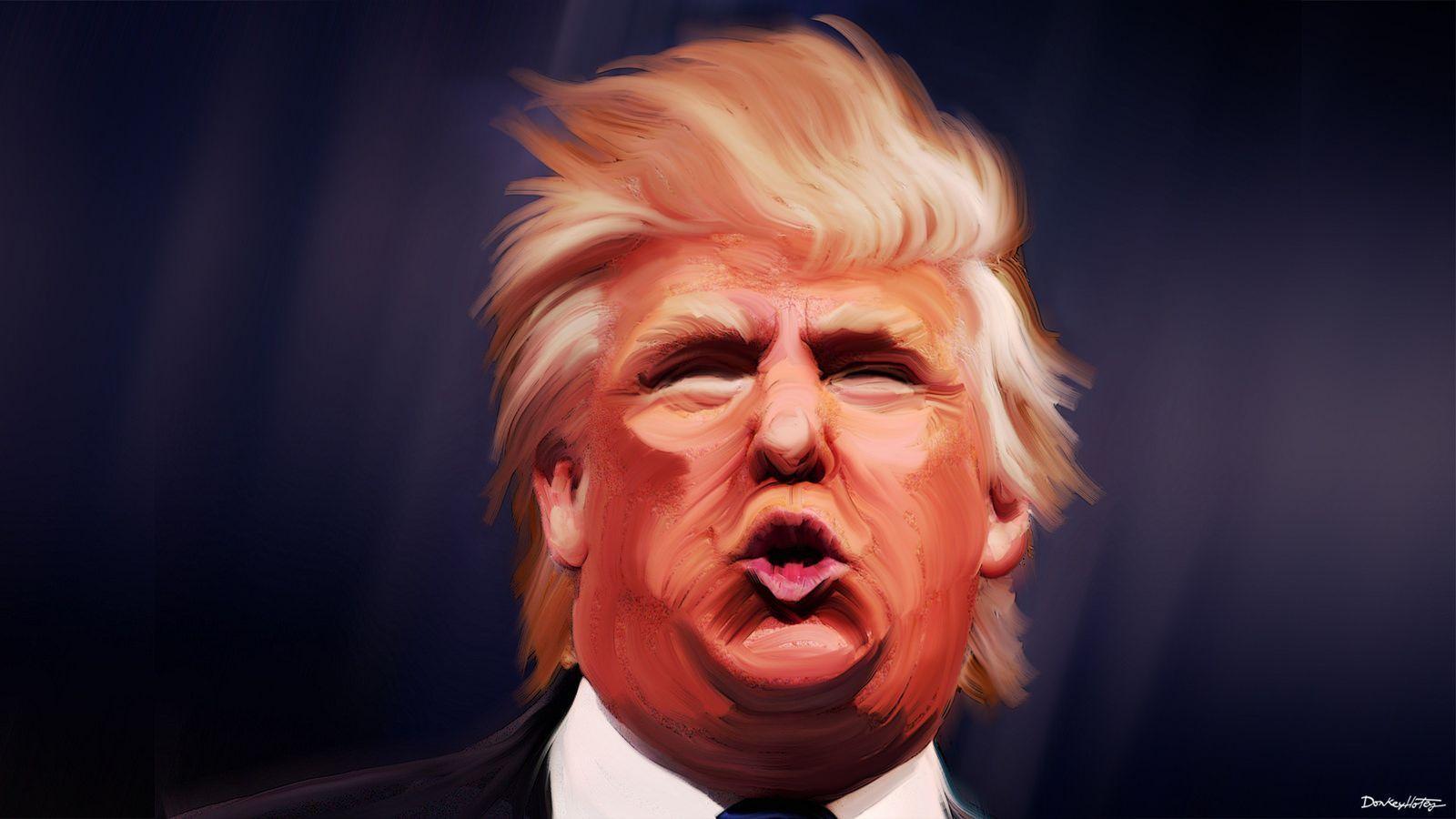
When Donald Trump walked back a planned military strike on Iran, claiming that regional partners had requested time to finalize a deal, he walked right into a strategic trap. What was supposed to be a short military excursion to dismantle Tehran's regional influence has instead devolved into a grueling exercise in damage control. Trump now finds himself caught between the political cost of further escalation and the humiliation of accepting an arrangement dictated largely by Tehran's terms.
If you look past the social media declarations and the shifting timelines, the reality on the ground is simple. The White House entered this conflict with a sprawling wishlist. That list included ending the nuclear program, shutting down ballistic missile production, and halting all support for proxy militias. Today, those ambitious goals have evaporated. Washington's primary demand has shrunk to a single objective: getting Iran to reopen the Strait of Hormuz so global energy markets stop bleeding.
How the Leverage Shifted to Tehran
Wars rarely go according to plan, but this specific campaign unraveled because of geography and logistics. When fighting broke out, Iran did what it does best. It leveraged asymmetric capabilities to choke off the Strait of Hormuz, throwing international shipping routes into absolute chaos.
Instead of folding under maximum pressure, the Iranian regime dug in and turned the conflict into a grinding war of attrition. By launching preemptive drone and missile strikes that rattled regional energy markets, Tehran signaled a clear message to Washington and its Gulf allies. The message was that any attempt to break the blockade would trigger regional economic devastation that neither the United States nor Gulf capitals could comfortably absorb.
This strategy worked. Omani-mediated talks point toward an arrangement that could leave Tehran with formal oversight or management protocols over portions of the waterway's traffic. For decades, geostrategists viewed free and unfettered passage through the strait as an absolute non-negotiable baseline. Accepting any measure of Iranian control represents a massive concession that would have seemed unthinkable just a year ago.
The Domestic Political Bind
Trump faces a brutal political dilemma at home. On one side, hawkish commentators and political allies expect total victory. They want uncompromising pressure and zero compromise with a regime that has targeted American interests. Announcing a compromise that leaves Iran's core infrastructure intact and grants it leverage over a global trade choke point invites fierce criticism from the right.
On the other side, expanding the war carries massive economic risks. Pushing for a renewed bombing campaign risks driving oil prices skyward right when domestic voters are already sensitive to inflation and energy costs. It also threatens to drag weary Gulf partners into a wider conflagration that they desperately want to avoid.
When Trump declared that a deal was close, Iranian officials quickly downplayed direct bilateral negotiations, insisting they were only coordinating safe passage protocols through regional intermediaries like Oman. This public posturing is intentional. Tehran wants to project defiance, signaling to its domestic base that it is dictating the rhythm of diplomacy rather than begging for relief.
What Comes Next for US Foreign Policy
The administration is left juggling conflicting accounts, halting talks, and a persistent naval standoff. Even if a provisional agreement successfully clears the shipping lanes in the short term, the deeper nuclear file remains completely unresolved. Washington will eventually have to face an increasingly defiant regime that believes it successfully stared down American military might.
You cannot bluff your way out of a structural stalemate. If the White House chooses to lurch back toward military escalation out of sheer frustration, it risks a wider regional war with unpredictable economic blowback. If it accepts a flawed diplomatic exit, it has to own the reality of a middle eastern settlement forged largely on Tehran's terms.
The window for a clean victory closed months ago. Now it is just a matter of managing the fallout.
Trump promises to strike Iran very hard
This video provides an overview of the ongoing statements and military threats exchanged between the White House and Iranian leadership regarding regional security and maritime blockades.
http://googleusercontent.com/youtube_content/1