Donald Trump isn't running for office this November, but you would never know it by looking at the Republican playbook.
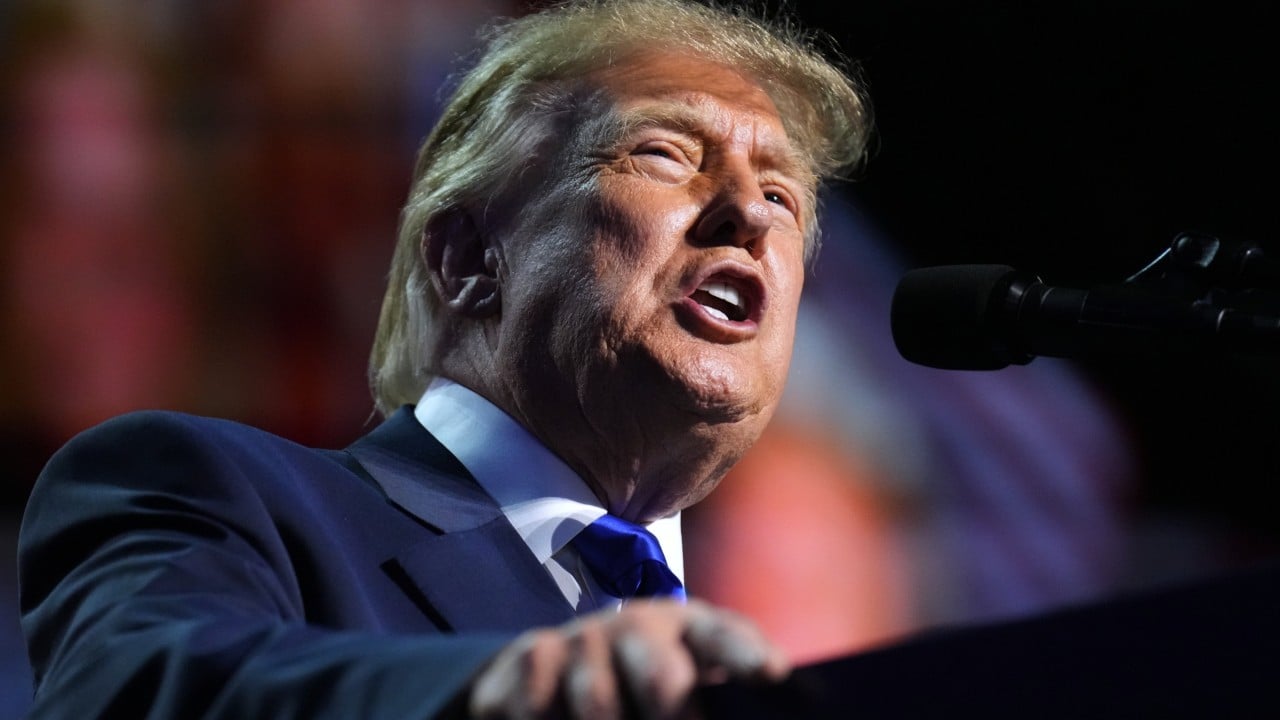
At the party's first-ever midterm convention in Dallas, Texas, the president made his strategy crystal clear. He told cheering crowds to pretend his name was right there at the top of the ballot. It is a high-stakes political gamble designed to stave off losses in the House and Senate. If Republicans lose either chamber, Trump's legislative power evaporates overnight.
Let's look at what actually happened at the Dallas convention, why the strategy worries some GOP insiders, and what this means for the upcoming elections.
The Five-Thousand-Dollar Question
Trump knows how to grab a headline. During his keynote address, he dangled a massive carrot in front of American voters. He promised a five-thousand-dollar "Trump dividend" payout to every adult citizen if Republicans manage to hold both the House and Senate.
There is just one small catch. Economists and policy experts immediately pointed out the obvious math problem. The United States national debt sits at a staggering forty trillion dollars. Handing out a check to every adult would cost roughly one point three trillion dollars. Can the federal government actually afford it? Unlikely. But policy feasibility rarely stops a populist campaign promise from working its magic on a fired-up base.
Voters love the sound of cash. Fiscal conservatives inside the party, however, are sweating bullets over the long-term impact on inflation and the deficit.
The Shadow of the Iran War
You cannot talk about the 2026 midterms without addressing the elephant in the room. The US-Israel war on Iran, launched back in February, has dragged on past the six-month mark. With Brent Crude oil topping one hundred dollars a barrel, high energy prices and persistent inflation are hurting American wallets.
Voter dissatisfaction is real. Polls show widespread frustration with the economic fallout from the conflict.
Yet, during the Dallas convention, most speakers danced around the topic. They preferred to paint Democrats as agents of a "socialist hellscape" rather than talk about foreign policy liabilities. Trump himself took a different tack. He leaned directly into his handling of the war, claiming victory in the Strait of Hormuz and even suggesting the vital oil route be renamed the "Trump strait."
He also predicted the conflict would wrap up right after the midterm ballots are cast on November 3. Whether voters buy that timeline remains to be seen.
Why Trump Is Centering Himself
History tells us that midterm elections are brutal for the party in the White House. The president's party almost always loses seats. Trump wants to break that historical curse through pure force of personality.
He plans to campaign heavily in roughly thirty-five of the most competitive races across the country. MAGA voters historically show up in droves when Trump is on the ticket. When he is absent, turnout tends to sag.
Democrats are quietly thrilled by this choice. They want the midterms to be a referendum on an administration struggling with inflation and foreign wars. By forcing himself into the center of the frame, Trump is giving his opponents exactly what they want. Swing voters who have drifted away due to economic pressures might use the ballot box to send a warning message.
The Succession Battle Lurks Behind the Scenes
If Republicans take a beating in November, the fallout will stretch far beyond Capitol Hill. It will ignite an immediate scramble for the future of the party.
Vice President JD Vance has positioned himself as a natural heir, focusing heavily on themes of family, faith, and working-class populism during his convention appearances. But Trump gave zero hints about who he might endorse for 2028. His grip on the base remains absolute. Until he steps aside, the entire Republican apparatus belongs to him.
If you are tracking these midterms, stop looking at individual local races in a vacuum. Watch how local candidates manage their association with the White House. The candidates who thread that needle successfully will decide who controls Washington next year.