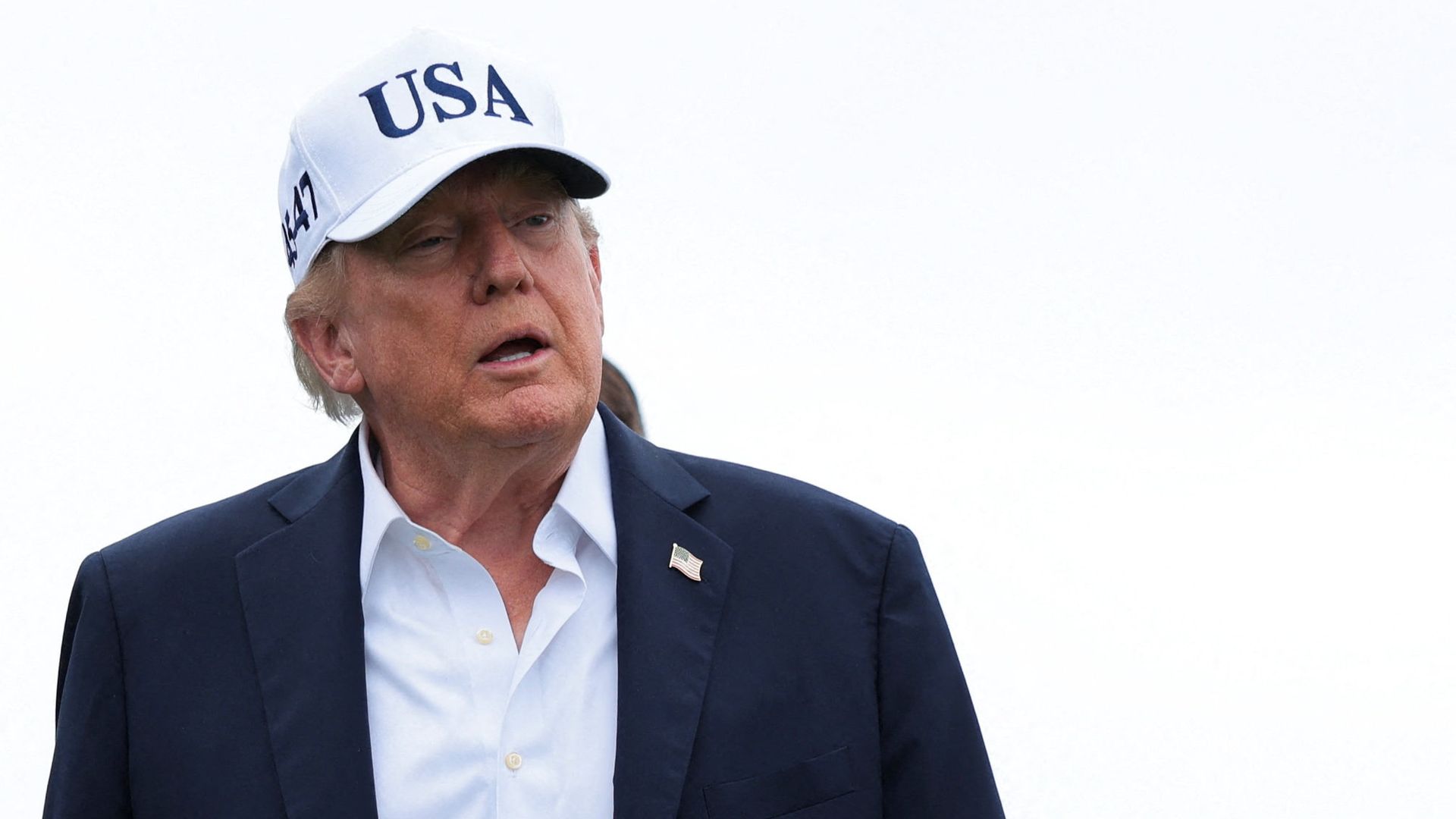
Foreign leaders usually avoid stepping into the delicate minefield of constitutional politics in Northern Ireland and the Republic of Ireland. Donald Trump never plays by those rules. During his recent trip to Dublin, the US president casually remarked that he would love to see a reunified Ireland, claiming it would be a "great thing" and stating that "it would be natural to put north and south together." Naturally, unionist politicians in Northern Ireland reacted with frustration, while critics accused him of breaking diplomatic norms. Yet, instead of walking back the remarks, Trump doubled down, brushing off the backlash and insisting he loved the reaction.
Let's cut through the noise. What does this intervention mean for the long-term debate over Irish unity, and why do foreign leaders keep weighing in on a topic that belongs strictly to the people living on the island?
Breaking the Diplomatic Taboo
For decades, American presidents walked a careful tightrope regarding Northern Ireland. Washington played a vital brokerage role during the Good Friday Agreement, maintaining strict neutrality between unionists who want to remain part of the United Kingdom and nationalists who want a united Ireland. That careful neutrality exists to ensure the US remains a trusted partner for both London and Dublin.
Trump's latest comments shatter that diplomatic playbook. By declaring that putting the north and south together is "natural," he skipped past decades of careful diplomatic phrasing. Unionist leaders wasted no time criticizing the remarks, arguing that foreign figures should not casually wade into complex sovereignty issues governed by the Belfast Agreement.
Why do politicians like Trump make these statements? Sometimes it's off-the-cuff rhetoric. Sometimes it appeals to specific domestic audiences back home. But regardless of intent, the words carry weight because of the office attached to them.
The Reality of Irish Unity Debates
People often search for news on Irish reunification expecting an imminent border poll. The truth is much more complicated. Under the Good Friday Agreement, a border poll can only be called by the Secretary of State for Northern Ireland if it appears likely that a majority would vote in favour of a united Ireland.
Public opinion polls show shifting dynamics across the island, driven by demographic changes, economic shifts post-Brexit, and changing attitudes among young voters. Even so, practical hurdles remain massive. Merging two distinct healthcare systems, tax frameworks, public sectors, and pensions involves staggering economic and logistical hurdles. Dublin and London would face years of complex negotiations.
When a high-profile figure like Trump talks up unity, it injects international attention into a debate that local politicians usually prefer to manage through slow, deliberate political processes. It forces the conversation back into headlines worldwide, even if it doesn't change the underlying constitutional math overnight.
Why Brushing Off Backlash Is Standard Strategy
Trump's reaction to the criticism followed a familiar pattern. Instead of offering a standard diplomatic clarification or expressing regret for stirring tensions, he dismissed the backlash entirely. In modern politics, doubling down often serves a specific purpose. It keeps the story alive, centres the narrative on the speaker's unfiltered style, and starves critics of the apology they want.
For local leaders in Northern Ireland and the Republic, dealing with foreign commentary is an occupational hazard. Nationalists often welcome international interest as validation of their goals, while unionists view it as an unwelcome external thumb on the scale.
Ultimately, foreign leaders don't get a vote in a border poll. The future of Northern Ireland's constitutional status rests entirely with the electorate north and south of the border, where the real debate happens away from the international spotlight.
Trump voices support of reunification of Ireland during Dublin visit
This video provides direct news coverage and footage of Donald Trump's remarks regarding Irish unity during his trip to Dublin.