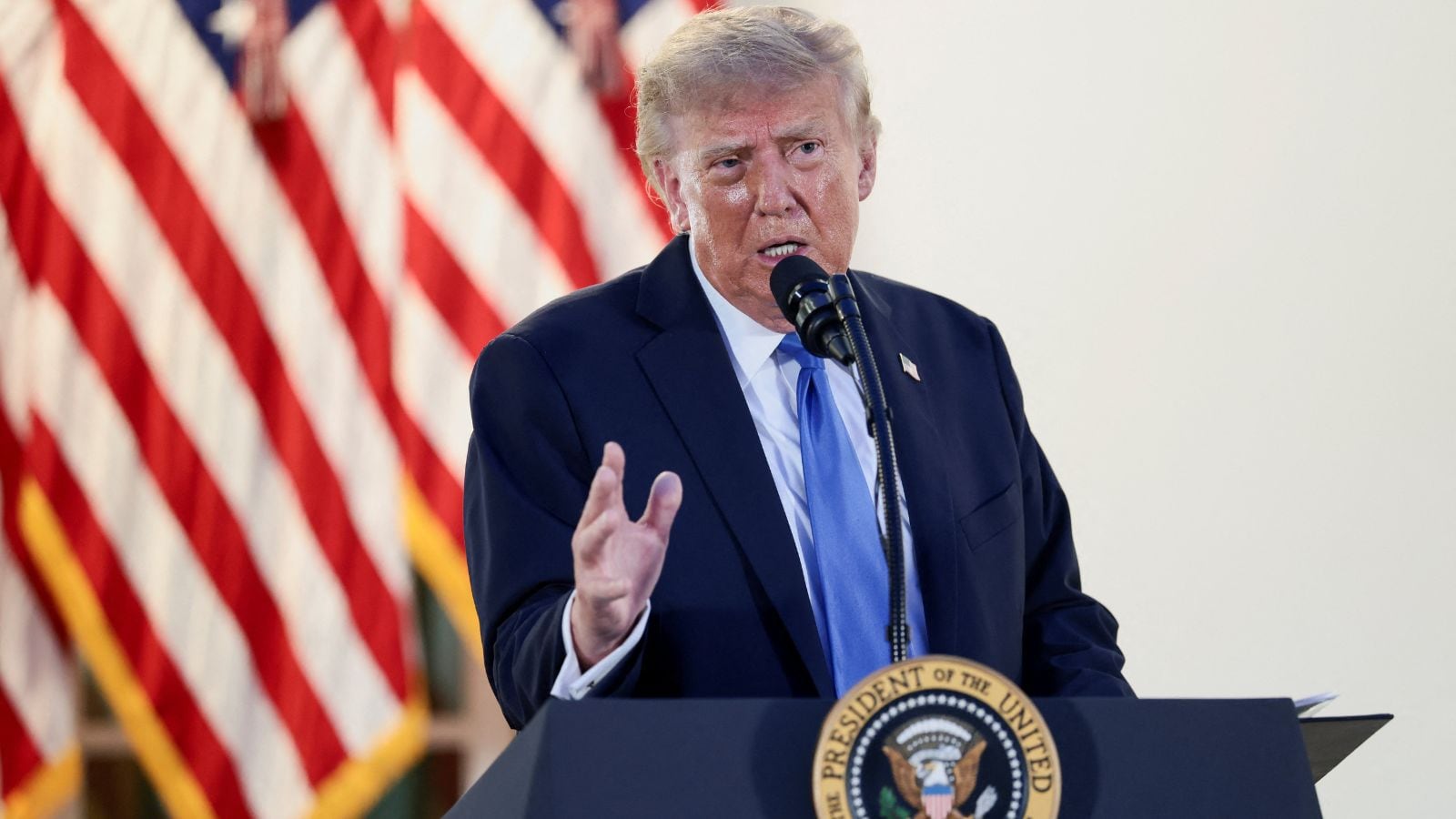
Donald Trump recently turned his sharp focus back across the Atlantic, warning that the United Kingdom is currently "on the edge of disaster". When a major global figure labels a historic ally like Britain as being in severe jeopardy, people listen. But why is this narrative gaining traction now, and what are the actual mechanics behind his fiery rhetoric?
If you look closely at what he pointed out during his recent interview with GB News, the argument rests heavily on two distinct pillars: runaway immigration and crippling energy costs. Let's break down why these specific pressure points have put the UK squarely in the global spotlight.
The Energy Price Crunch and North Sea Oil
You can't talk about British economic friction without looking at utility bills and industrial overhead. Trump didn't hold back on this front, claiming that energy costs in the UK are sitting at three to four times higher than what they realistically should be.
The friction mostly stems from rigid net-zero policies and a aggressive transition away from fossil fuels. While successive British administrations have tried to champion clean electricity and wind power, critics argue that moving too fast leaves the grid vulnerable and businesses paying through the nose.
Prime Minister Andy Burnham's administration faces a massive balancing act here. Ministers are currently weighing whether to greenlight major new developments in the North Sea. On one side, environmental groups want absolute adherence to climate targets. On the other, industrialists and critics like Trump argue that ignoring domestic oil and gas reserves is economic suicide. If energy remains exorbitantly expensive, manufacturing takes a direct hit, and everyday households bear the brunt of inflation.
The Immigration Battleground
The second major pillar of Trump's warning targeted Britain's borders and demographic shifts. He bluntly stated that if the country doesn't get a handle on people pouring in from all over the world, there won't be a country left.
Immigration has dominated British politics for years, transforming from a talking point into a central crisis. The constant flow of small boats crossing the English Channel from continental Europe remains a bleeding wound for the political establishment. Even though the government claims that enforcement operations are starting to bite and small-boat arrivals are beginning to dip, public frustration is palpable.
This deep-seated anxiety has fueled the rise of alternative political movements, most notably Nigel Farage's Reform UK party. When voters feel like border control is slipping out of democratic hands, political loyalty fractures very quickly. Trump's commentary taps directly into this raw nerve, echoing sentiments shared by millions of voters who feel ignored by traditional party lines.
Bridging the Transatlantic Divide
Tensions between Washington and London often fluctuate based on who sits in the White House and Downing Street. Even though Trump expressed genuine affection for Britain and spoke highly of King Charles, his critique of government policy was utterly uncompromising.
This dynamic reveals a deeper truth about international alliances. Leaders can share historical bonds, but economic realities and domestic security concerns always take priority. Whether London chooses to pivot back toward aggressive fossil fuel extraction or doubles down on its green targets will determine its economic trajectory.
Keep an eye on upcoming policy decisions regarding North Sea licenses and border enforcement metrics. Those choices will show whether the UK can steer away from the cliff or if the warnings carry weight.
TRUMP'S BOMBSHELL! 'Immigration & Energy Are Killing Europe' | ET Now
This video provides additional context on Donald Trump's commentary regarding European energy policies and immigration pressures.
http://googleusercontent.com/youtube_content/1