Poland’s political landscape is fracturing once again over the very machinery of the state. Prime Minister Donald Tusk faces an uphill battle to unravel years of conservative institutional control, and he's doubling down despite fierce resistance. If you think the legal showdown in Warsaw is just routine European political theater, you're missing the bigger picture.
The Breaking Point at the Constitutional Tribunal
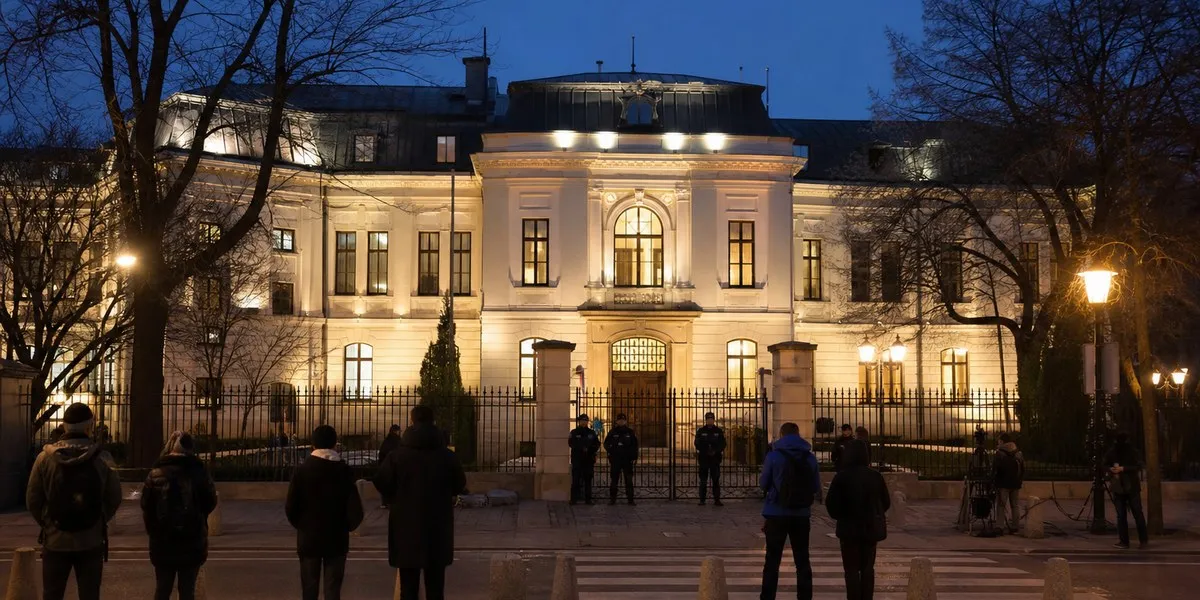
Recent clashes involving police deployments outside Warsaw's top court exposed a deep, raw nerve in Polish politics. Tusk’s administration suspended the tribunal's president, Bogdan Święczkowski, pointing to what they call years of repeated legal violations. Critics label these aggressive interventions a coup, but the prime minister argues it's the only path forward to rescue democratic norms from the damage left by the previous Law and Justice (PiS) administration.
When PiS came to power in 2015, they packed key benches with loyalists. The European Court of Human Rights subsequently deemed parts of that bench unlawful. Tusk’s strategy relies on an aggressive reset, replacing contested figures and installing interim leadership like Anna Korwin-Piotrowska. Protesters have flooded the streets, and President Karol Nawrocki has rushed back from international trips to contest these moves. Yet, Warsaw refuses to hit the brakes.
Why Compromise Is Off the Table
You cannot unring a bell, and Tusk knows half-measures won't work here. Restoring Poland's standing in the European Union requires sweeping institutional repairs. Brussels wants to see real judicial independence before unlocking complete structural trust and funding.
Opponents argue that forcing changes through executive orders and police action breaks the very constitutional guardrails Tusk claims to defend. But the current government views traditional legislative fixes as dead ends, especially with an opposition-aligned presidency ready to veto reform bills.
Expect more institutional gridlock. Tusk's camp is gambling that the political cost of moving too slowly is far higher than the friction of moving too fast. Warsaw's courts remain the ultimate battleground for the soul of Polish democracy.
Take a close look at how central European governance handles deep constitutional crises. The outcome in Poland sets a high-stakes precedent for dealing with captured state institutions across the continent. Stop viewing these legal battles as isolated courtroom drama. They define who holds power when the rules of the game are rewritten.