When a servicemember dies on active duty, their surviving spouse or next of kin gets a swift cash payment from the government. Known as the military death gratuity, this cash tax-free benefit exists to cover immediate expenses before life insurance payouts or monthly survivor benefits ever kick in.
Right now, that payment sits at $100,000.
That figure sounds significant until you realize it hasn't changed by a single dollar since 2006. Twenty years of inflation, skyrocketing housing prices, and rising living costs have quietly eaten away at that safety net. Rent, mortgage payments, childcare, funeral expenses, and basic groceries cost almost twice as much today as they did when Congress last touched the benefit.
Grieving families shouldn't have to check their bank accounts while planning a military funeral.
A bipartisan coalition in Congress has introduced landmark legislation to fix this gap. The Honoring Our Nation's Obligation to Remember Gold Star Families Act—commonly called the HONOR Gold Star Families Act—aims to double the immediate military death gratuity to $200,000 and permanently tie future payouts to inflation.
Here is what this bill actually changes, why it matters, and how it impacts surviving military families.
Understanding the HONOR Gold Star Families Act
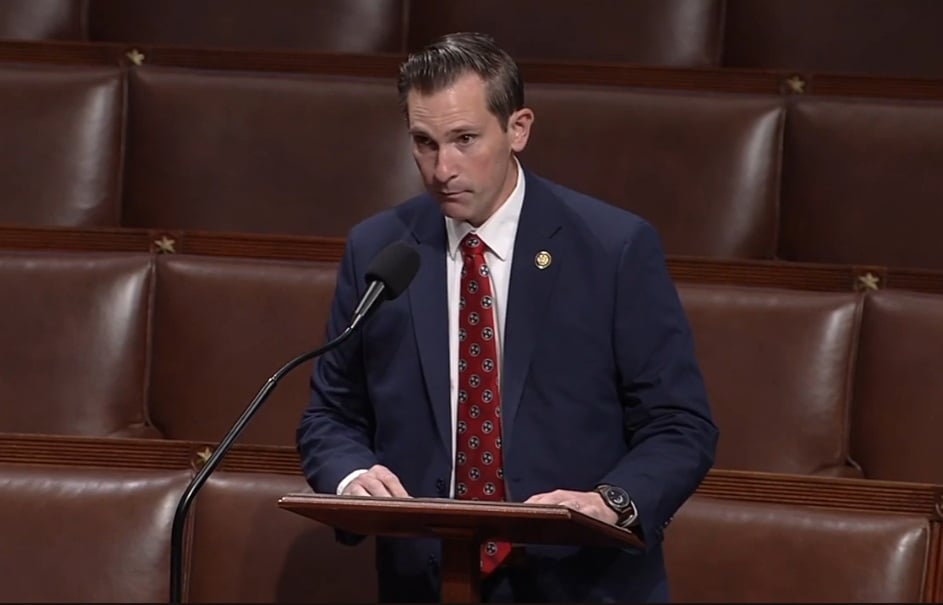
Introduced by Representative Matt Van Epps alongside bipartisan co-sponsors in the House and Senators Jacky Rosen and Tim Sheehy in the Senate, H.R. 7932 tackles a problem that military advocacy groups have highlighted for years.
Under current federal law, specifically Title 10 of the U.S. Code, Section 1478, the Department of Defense pays a standard $100,000 lump sum to designated beneficiaries upon a servicemember's death. The HONOR Gold Star Families Act proposes three fundamental updates to this tax-free payment.
First, it immediately doubles the base death gratuity payout from $100,000 to $200,000.
Second, it establishes an automatic, annual cost-of-living adjustment. Starting in 2027, the death gratuity will increase every January based on the Consumer Price Index for All Urban Consumers (CPI-U), published by the Bureau of Labor Statistics. The Department of Defense will also have to publish the newly calculated benefit amount in the Federal Register each year so families and advocates know exactly where things stand.
Third, the bill includes a vital retroactive clause. The $200,000 payout applies to any qualifying servicemember death occurring on or after January 1, 2026.
This retroactive timeline is critical. It ensures that families who lost loved ones during early 2026 military operations, including recent casualties in Operation Epic Fury, aren't left behind under the outdated rate.
Why the $100,000 Benefit Stopped Working
Congress created the military death gratuity back in 1908. Originally, it provided six months of pay to families who lost their primary earner. Over time, lawmakers converted it into a flat lump-sum cash payment to ensure grieving families received immediate liquidity within days of a tragedy.
In 2006, during the height of conflicts in Iraq and Afghanistan, Congress raised the death gratuity from $12,000 to $100,000. It was a needed upgrade at the time.
The problem? They forgot to build in automatic inflation adjustments.
Think about how much the financial picture has shifted over the last two decades. One hundred dollars in 2006 carried roughly the same purchasing power as $160 or $170 today. Housing costs alone have surged dramatically in military communities across the country.
When a servicemember dies, their regular paycheck stops. Military housing allowances disappear. A surviving spouse often faces immediate relocation costs, ongoing childcare needs, credit card payments, and daily living expenses. As one Gold Star spouse recently pointed out, bills don't drop by half when you lose your partner.
The current $100,000 payout simply doesn't carry the weight it did twenty years ago. Doubling it brings the real-world value back into balance with modern living costs.
Clearing Up the Confusion Around Military Death Benefits
A lot of people hear about military death benefits and assume surviving families automatically receive millions of dollars. The reality is far more complex, and different payments serve completely different functions.
To understand why the death gratuity bill matters so much, you have to look at how the entire survivor benefit package works together.
The Military Death Gratuity
This is the immediate bridge payment. The Department of Defense processes this payout quickly—usually within days of casualty notification—to give families cash for immediate needs. It is tax-free and paid directly to designated beneficiaries. The HONOR Gold Star Families Act specifically targets this portion of support.
Servicemembers’ Group Life Insurance
Servicemembers can elect up to $500,000 in life insurance coverage through SGLI. Unlike the death gratuity, SGLI isn't an automatic grant; servicemembers pay monthly premiums out of their paychecks to maintain this coverage. While SGLI provides a substantial financial safety net, processing insurance claims and dispersing payouts takes time.
Dependency and Indemnity Compensation
DIC is a tax-free monthly benefit paid by the Department of Veterans Affairs to eligible surviving spouses and dependents. It acts as a long-term income replacement, but it requires paperwork, application reviews, and processing windows that can leave families scrambling for immediate cash in the initial weeks following a loss.
The death gratuity fills that exact critical gap. It keeps the lights on, pays for immediate travel, covers interim rent, and gives families space to grieve without financial panic while waiting for SGLI and VA benefits to settle.
What Servicemembers and Families Should Do Right Now
While Congress debates and votes on H.R. 7932 and its Senate companion, military families don't need to sit on their hands. You can take concrete steps right now to make sure your family is protected under existing rules and ready for any statutory updates.
Check Your DD Form 93
The Record of Emergency Data, known as DD Form 93, dictates exactly who receives your military death gratuity and in what percentages. Many servicemembers fill this form out during initial military processing and never look at it again.
If you've gotten married, had children, or divorced since signing your last DD Form 93, your death gratuity might be designated to the wrong person. Log into your branch's administrative portal or visit your unit S-1/personnel office to verify your designated beneficiaries today.
Review Your SGLI Beneficiaries
Unlike the death gratuity, SGLI designations are managed through the SGLI Online Enrollment System (SOES) via MilConnect. Confirm that your primary and contingent beneficiaries reflect your current life situation and family structure.
Keep Family Financial Documents Accessible
Ensure your spouse or trusted next of kin knows where to find essential documents, including military orders, marriage certificates, birth certificates, bank account details, and active power-of-attorney documents. When casualty assistance officers assist families, having these documents organized speeds up benefit processing significantly.
Track the Progress of H.R. 7932
Stay informed through veteran service organizations like the National Guard Association of the United States, the VFW, or TAPS. These groups track military benefit legislation closely and provide updates as bills move through committee markups and floor votes.
Increasing the military death gratuity isn't about giving families a windfall. No amount of money compensates for the loss of a spouse, parent, or child in military service. It's about fulfilling a basic national promise: ensuring that when a servicemember makes the ultimate sacrifice, their family isn't left battling financial hardship while processing unthinkable grief.