Fog of war is an understatement in eastern DR Congo.
When news broke that a DR Congo military aircraft had gone missing right as rebels claimed to shoot down a plane, a lot of readers jumped to a neat conclusion: a warplane was blasted out of the sky and the government was covering it up. Honestly, it's rarely that clean out there.
Reports around the incident point to conflicting narratives from the start. The Congolese military reported losing contact with a Cessna 208 cargo aircraft amid bad weather, while rebels claimed they brought down an aircraft in South Kivu—specifically around the Minembwe area. Meanwhile, claims have circulated online about a South African pilot and foreign or regional personnel tied to the episode, alongside denials from Uganda's military chief Muhoozi Kainerugaba distancing Ugandan forces from the incident.
Because independent verification in active conflict zones is slow and messy, you shouldn't treat early claims from either side as settled fact. A missing transport plane in mountain weather and a claimed shoot-down can happen in the same news cycle without even being the exact same airframe.
What Actually Happened With the Missing Aircraft in DR Congo
Let's separate what's been stated from what's actually confirmed.
On one side, the Armed Forces of the Democratic Republic of the Congo (FARDC) have pointed to lost contact with a Cessna 208 cargo plane operating in challenging weather conditions, with search efforts underway. On the other side, armed groups active in the region claimed to have shot down an aircraft near Minembwe in South Kivu.
That gap matters. A Cessna 208 is a single-engine utility turboprop widely used for cargo, logistics, and light transport across rough airstrips—not a high-speed strike jet. When headlines blur "cargo plane," "warplane," and "shot down" together, readers get a dramatic mental picture that might not match the hardware or the flight path.
In my experience following regional security reports, early battlefield statements almost always serve a strategic purpose. Militias have every incentive to exaggerate air-defense capabilities to project strength and deter air support. Militaries, meanwhile, sometimes downplay combat losses initially—or blame weather and mechanical trouble—until wreckage and crew status are verified on the ground.
Why Minembwe and South Kivu Keep Coming Up
If you don't know the geography, Minembwe can sound like just another dot on a map. It isn't.
Situated in the highlands of South Kivu, Minembwe sits in rugged terrain near key movement corridors linking North Kivu, South Kivu, and Tanganyika. Low clouds, sudden mountain fog, dense forest canopy, and sparse radar coverage make flying there tricky even on a quiet day. Add active clashes and shifting frontlines, and flight operations turn high-risk fast.
There's also a broader pattern of air incidents and airspace disputes tied to the eastern DRC conflict. Over the past couple of years, regional reporting has repeatedly featured claims and counterclaims over aircraft flying over or near contested areas like Minembwe—ranging from accusations of unauthorized flights and mercenary or contractor involvement to disputes over aid or military supply runs.
When a plane goes down or disappears in that environment, rumors spread faster than search teams can hike into the hills. Video clips pop up on social media showing wreckage or questioning individuals, and within hours those clips get framed as proof of whatever narrative a given account wants to push.
The Bigger Regional Puzzle Behind the Headlines
One thing a basic wire recap often misses is how quickly a local aviation incident turns into a regional diplomatic headache.
When reports mention a South African pilot or pushback from Ugandan military leadership, it highlights how internationalized and tangled the security picture around eastern DR Congo has become. Private contractors, foreign nationals, neighboring states, and rival armed factions all intersect in a conflict where borders and allegiances frequently collide.
Uganda's army chief Muhoozi Kainerugaba publicly rejected UPDF involvement in the Minembwe aircraft incident and referenced penalties against a company and rules barring Ugandans from working for mercenary outfits in DR Congo. Even when a government denies involvement, the mere whisper of external actors escalates political tension in Kinshasa, Kampala, Kigali, and beyond.
That's why verifying details takes time. Governments trade sharp statements online, armed groups release clips to claim credit, and analysts watch satellite imagery, flight tracking where available, and ground reports from local sources before drawing firm conclusions.
Common Mistakes People Make Reading Conflict Aviation News
Whenever a story like this trends, I see the same few traps trip people up.
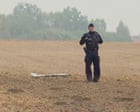
- Treating social media clips as verified proof: A shaky video showing a man near metal debris doesn't automatically prove when it was filmed, where the crash happened, or who was aboard.
- Conflating two separate reports: A missing cargo flight and a rebel claim of a downed aircraft may overlap in timing or region without being confirmed as one and the same event.
- Ignoring terrain and weather: In highland zones like South Kivu, bad weather and rough landing strips cause aviation emergencies all on their own, even without hostile fire.
- Assuming certainty where officials state none: When military spokespeople haven't confirmed exact coordinates, passenger counts, or cause of loss, filling in the blanks with guesses doesn't help you understand what's happening.
What to Watch Next and How to Track It Smartly
If you want to follow this story without getting pulled into bad info, keep your eye on a few concrete markers:
- Official confirmation of wreckage and crew: Look for verified details from Congolese authorities, UN observers, or credible humanitarian and security monitors regarding location, aircraft type, and people on board.
- Corroboration across independent outlets: Wait to see whether major international broadcasters and regional newsrooms confirm the link between the missing Cessna 208 report and the rebel shoot-down claim.
- Diplomatic reactions: Pay attention to formal statements from DR Congo, South Africa, Uganda, and regional bodies if foreign nationals or cross-border allegations remain part of the story.
Bookmark reputable news desks like BBC News and UN News for verified updates, cross-check viral claims against established reporting before sharing them, and treat early battlefield numbers as provisional until ground facts catch up.