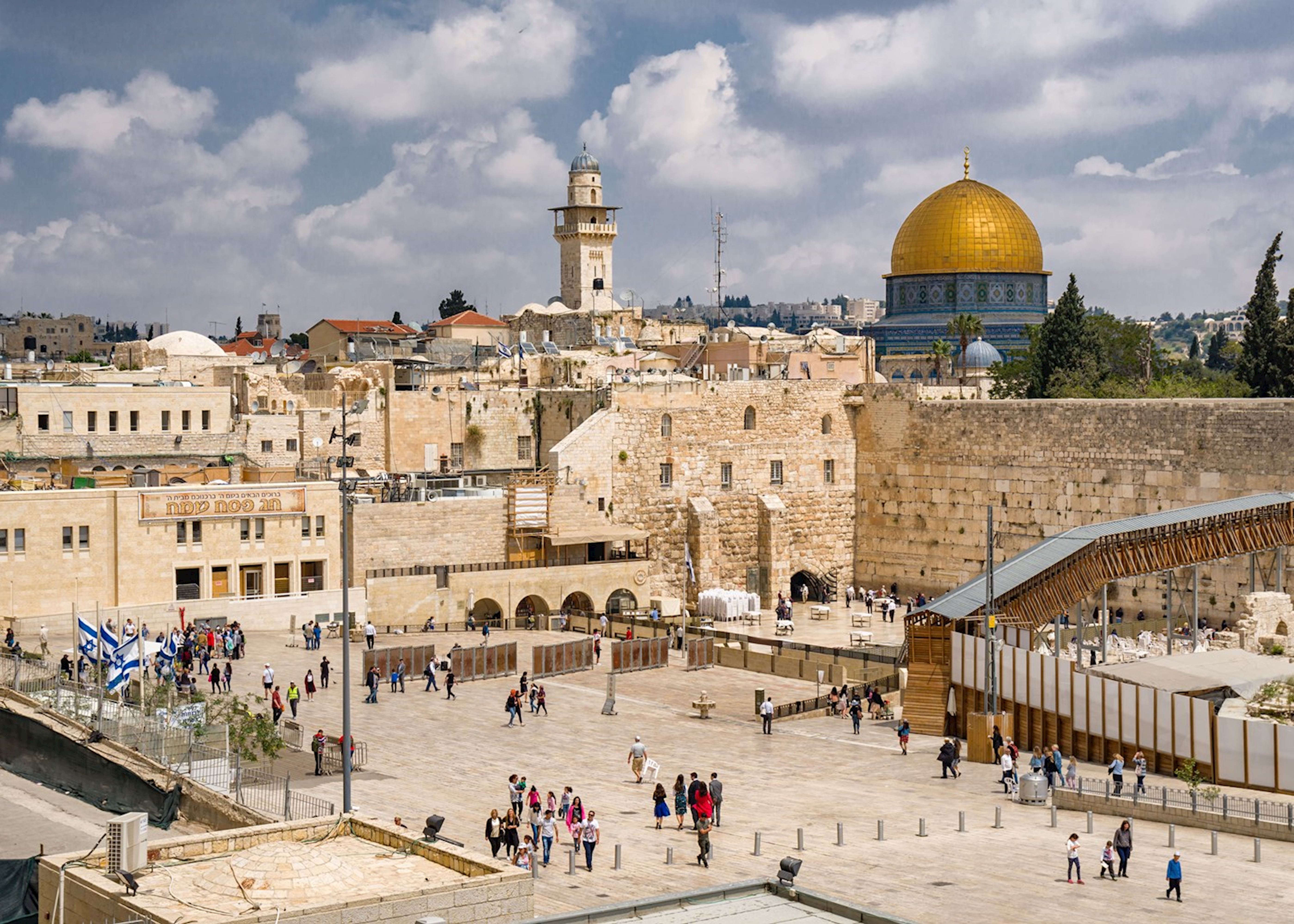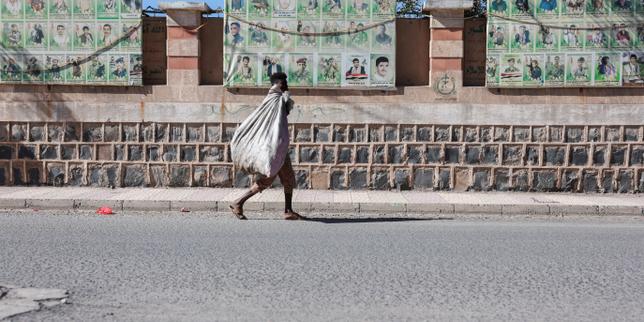
The skies above Saudi Arabia just became a whole lot more dangerous. When Riyadh announced that its air defense systems successfully intercepted a houthi drone approaching the region of La Mecque, it didn't just trigger standard security protocols—it set off alarm bells across the entire Middle East.
If you've been following the regional tensions, you know that targeting areas near Islam's holiest sites crosses an invisible psychological and geopolitical line. Yet, the narrative isn't as simple as official state press releases suggest. Pro-Iranian fighters and houthi spokesmen immediately stepped forward to deny the operation, calling the accusations a fabricated pretext. This clash of narratives leaves analysts scrambling to figure out what is actually happening on the ground.
Cutting Through the Propaganda
Every time an aerial threat is intercepted near critical infrastructure, an information war starts immediately. Riyad insists that the trajectory pointed directly toward the sacred zone, citing radar tracks and debris dispersion. On the flip side, the houthi camp flatly rejects responsibility, claiming the kingdom is manufacturing crises to justify upcoming military counter-offensives.
Truth is usually the first casualty in these escalations. But looking at the broader picture reveals a grim reality: the frequency of unmanned aerial vehicle incursions is spiking. Whether this specific drone originated from Yemen or crossed via proxy networks, the threat to civilian areas and religious landmarks is no longer theoretical.
Why La Mecque Remains a Sensitive Target
La Mecque isn't just a city; it holds deep spiritual significance for nearly two billion people worldwide. Any kinetic activity near this zone instantly elevates the stakes from a localized border dispute to an international flashpoint.
- Psychological Impact: Striking near holy sites aims to provoke maximum outrage and test the responsiveness of Saudi defense grids.
- Economic Ripple Effects: Aviation routes, tourism, and regional stability hang in the balance every time an alert sounds.
- Proxy Dynamics: Tehran's fingerprints are constantly debated, even when direct links are officially denied by allied militias.
What Happens Next in the Saudi-Houthi Stalemate?
Don't expect this diplomatic and military deadlock to resolve itself anytime soon. As long as regional sea lanes and airspace face constant harassment, air defense readiness will remain at maximum capacity. Riyadh has made it clear that any repeat performance will trigger harsh retaliatory strikes, regardless of what insurgent groups claim on their broadcast channels.
Keep a close eye on maritime choke points and airspace restrictions over the coming weeks. The diplomatic fallout from intercepted drones near sacred ground dictates the pace of any future de-escalation talks.