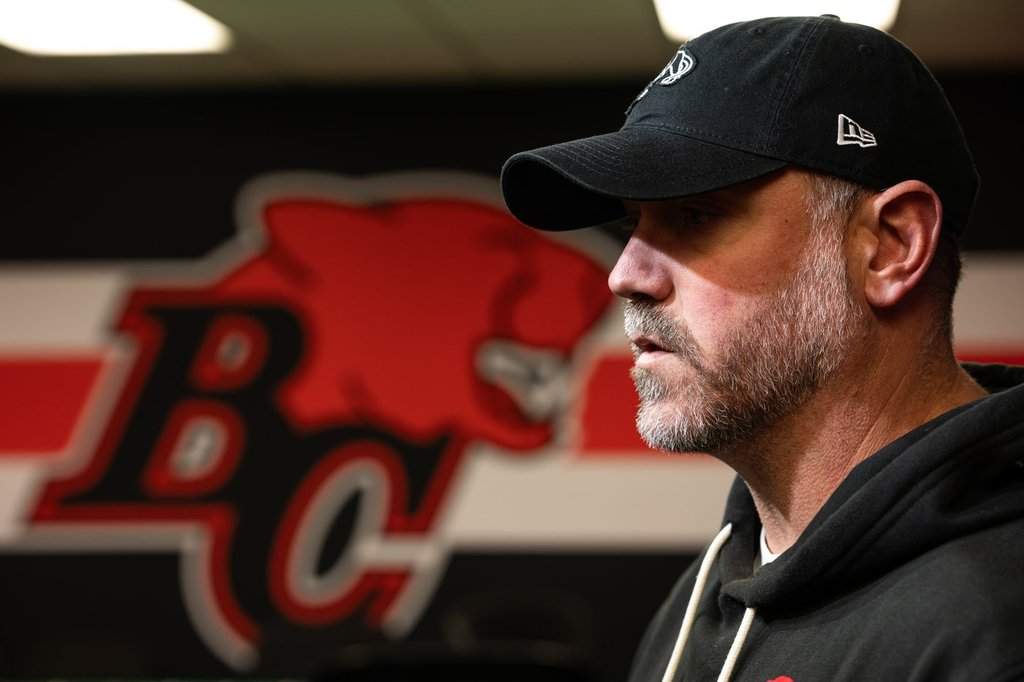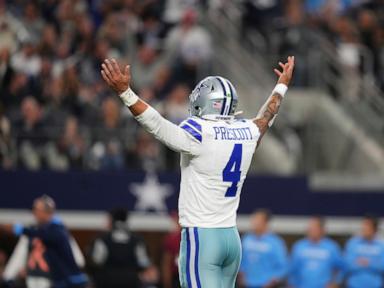
The NCAA ended its required pregame coach handshake at the women's basketball tournament after a memo from the Division I women's basketball committee went out to program administrators on November 20, 2026. Coaches can still greet each other informally before team introductions, sure, yet nobody is forcing a choreographed midcourt walk anymore. Honestly, it took a high-voltage blowup at the 2026 Final Four in Phoenix to expose how silly a mandatory pregame handshake had become.
When a forced ritual turns a handshake into a trap instead of a sign of respect, the rule isn't helping the game. Coaches are locking in for single-elimination survival, cameras are rolling, and a missed wave or a different timing cue can spark days of noise. Scrapping the mandate removes a manufactured flashpoint before tipoff. For a more detailed analysis into this area, we recommend: this related article.
What Actually Happened at the 2026 Final Four
To understand why the NCAA dropped the pregame handshake rule, you have to go back to April 3, 2026, at Mortgage Matchup Center in Phoenix. South Carolina beat UConn 62-48 in the Final Four semifinal, snapping UConn's unbeaten run and sending the Gamecocks to the title game against UCLA. Late in that game, UConn coach Geno Auriemma and South Carolina coach Dawn Staley got into a tense exchange that staff members had to break up, and Auriemma headed straight to the locker room at the final horn rather than staying on the floor for the postgame line.
Right after the game, Auriemma pointed to the pregame handshake routine. Across 41 seasons of coaching and 25 Final Fours, he said, standard protocol calls for coaches to meet at halfcourt before tipoff, and he felt he waited around for roughly three minutes. Staley pushed back just as hard, saying she went down pregame, shook hands with Auriemma's staff, and had no idea what set him off until she realized he thought she skipped shaking his hand at the start. For broader context on the matter, detailed coverage can also be found at NBC Sports.
Here is the kicker that got lost in the immediate heat: photos showed the two had shaken hands before tipoff, even if the exact timing and expectation at halfcourt didn't match up. Both coaches walked back the drama within days. Auriemma apologized twice—first saying there was no excuse for how he handled the end of the game and later stating he had "lost myself" and that "women's basketball deserved better". Staley urged everyone to turn the page and keep pushing the sport forward.
Why Forced Sportsmanship Backfires Under Pressure
Watch enough high-stakes basketball and you start noticing a pattern. Mandated niceties right before tipoff often create friction rather than calm it.
Coaches aren't sitting in a quiet lounge sipping tea before an NCAA Tournament game. They're tracking scout adjustments, checking foul-trouble contingencies, watching players warm up, and trying to stay sharp while arena speakers boom and television producers count down seconds. Making a midcourt handshake mandatory turns a human gesture into a compliance check. If one coach thinks the other lingered, rushed past, or stood on the wrong spot, suddenly an unwritten etiquette debate overshadows forty minutes of basketball.
Even when coaches like each other—and Auriemma and Staley have combined for 15 national titles across their careers, with 12 for UConn and three for South Carolina—high stakes magnify tiny misunderstandings. When Auriemma spoke ahead of their November 2026 rematch at Mohegan Sun Arena in the Basketball Hall of Fame Women's Showcase, he called the rule change no big deal, noting you just follow whatever rules exist and try to win the game. That practical mindset fits tournament basketball way better than staging a required handshake line like a diplomatic summit.
Why Voluntary Respect Beats Mandatory Rituals
Sportsmanship means more when people choose it freely. If two coaches want to walk over, chat for five seconds, and shake hands before introductions, great—the committee memo explicitly encourages informal greetings. If a coach prefers to stay locked in with their huddle until the ball goes up, nobody has to manufacture a storyline out of a skipped handshake.
That doesn't mean everyone agrees. Traditionalists love pregame ceremonies because they signal civility and mutual respect before a fierce battle, especially in an era where transfer portal churn and national media attention make every sideline moment feel bigger. Still, there is a big difference between valuing courtesy and policing it with a rulebook.
Bigger Tournament Changes Coming in 2027
The handshake tweak didn't happen in a vacuum. The same committee memo bundled several operational shifts as the women's tournament prepares to expand to 76 teams for 2027, matching the men's expansion.
Let's look at what's changing around the bracket and arena operations:
- Media access adjustments: Locker room access for media is out, pregame coach interviews at regional games and the Final Four are gone, and mandatory press conferences between the Sweet 16 and Elite Eight at regional sites have been eliminated.
- Seed-line reveals: Early projected top-16 reveals are set for February 4 and February 28, with the actual top-16 list coming out March 13—the day before Selection Sunday—organized alphabetically by seed line rather than a plain alphabetical list.
- Bracket timeline and sites: Selection Sunday lands on March 14, opening and first/second rounds stay on campus sites, regionals run March 26–29 in Philadelphia and Las Vegas, and the Final Four takes place April 2–4 in Columbus, Ohio.
- Shot clock precision: For the 2027 opening, first, and second rounds, shot clocks must show tenths of a second if a host venue has the equipment, ahead of becoming mandatory across all rounds in 2028.
Put all of those pieces together and you see a committee trying to streamline logistics around a bigger 76-team field. Cutting out unnecessary pregame formalities fits right alongside trimming extra media stops and clarifying how teams learn their seed lines.
Practical Next Steps for Fans, Coaches, and Media
If you're following the 2026–27 women's college basketball season—or covering it or coaching in it—a few simple habits will keep you ahead of the curve:
- Watch early-season marquee matchups for tone, not trivia: Games like UConn vs. South Carolina in November show how top programs compete after high-profile postseason clashes without needing a pregame handshake scorecard.
- Bookmark the February and March seed-line dates: Mark February 4, February 28, March 13, and March 14 on your calendar so you know how projected seed lines shape the bracket picture before Selection Sunday.
- Adjust coverage and scouting expectations: If you cover games or track program news, expect fewer pregame coach soundbites and no Sweet 16–to–Elite Eight mandatory media blocks at regionals, which means postgame availability and practice/game film matter even more.
- Keep an eye on venue readiness for 2027: If you follow mid-majors or campus-site hosts, pay attention to late-game clock management as tenths-of-a-second shot clock displays roll out where available before becoming universal in 2028.