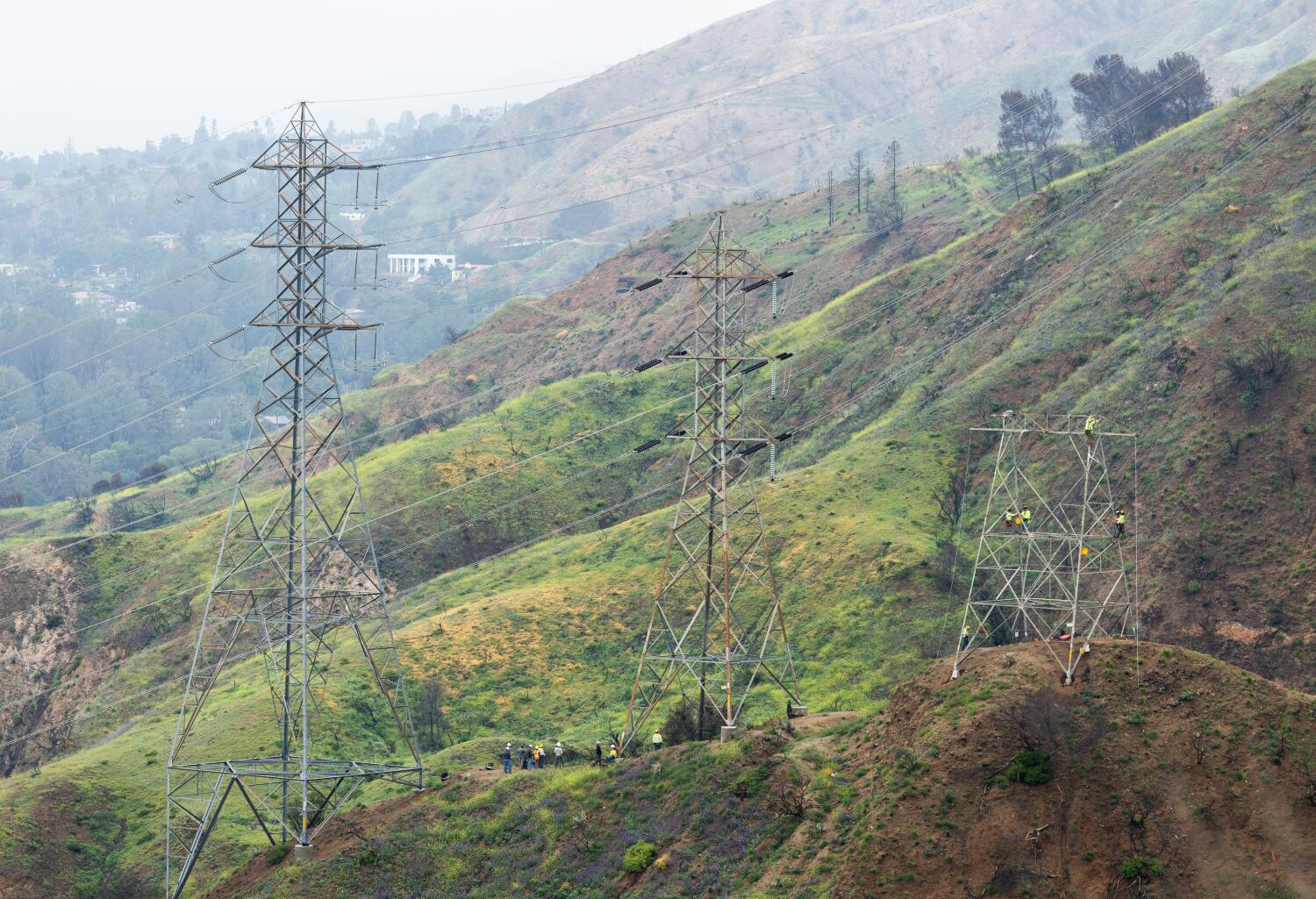
You already know utility companies have a massive liability problem. But the recent fallout from the Eaton fire investigation hits differently. Southern California Edison is facing a brutal reckoning, and honestly, nobody should be surprised. When infrastructure fails during high-risk wind events, the financial and human costs are catastrophic.
Let's look at what actually happened and why this particular probe exposes deep systemic vulnerabilities in how large utilities handle grid maintenance.
The Core Findings Nobody Wants to Talk About
Investigators didn't just point fingers at old hardware. They dug into maintenance logs, tree trimming frequencies, and real-time operational decisions made right as the Eaton fire ignited.
Edison's defense usually relies on extreme acts of nature. But this time, the evidence points straight back to preventable operational gaps. Inspectors found specific circuit protection failures that should have tripped automatic shutoffs long before flames spread across dry brush.
You're looking at a classic corporate failure mode. Management prioritizes baseline grid expansion while starving localized maintenance budgets. Equipment sits past its operational lifespan because replacement cycles are expensive and politically charged.
- Aging transformers operate long past recommended timelines.
- Vegetation clearance targets get delayed or missed entirely.
- Sensors fail to communicate grid stress accurately in high-wind zones.
Why Public Utilities Keep Dropping the Ball
Utilities operate as regulated monopolies. That setup insulates them from normal market competition, but it places intense pressure on profit margins approved by state regulators. When a company has to choose between upgrading a thousand miles of rural distribution lines or paying out shareholder dividends, the maintenance budget loses every single time.
That dynamic creates a ticking time bomb. High-voltage lines running through dry, windy canyons require aggressive, obsessive upkeep. When corners get cut, whole communities pay the price.
Investors hate volatility, yet utilities keep dragging themselves into massive litigation loops because executives ignore basic infrastructure hygiene.
The Financial Fallout
The legal liability here is staggering. Billions of dollars in damages hang in the balance. When a utility is found negligent, insurance markets panic. Rates spike for everyday consumers, creating a vicious cycle where people already struggling with the cost of living have to fund the settlement costs of corporate negligence.
State regulators are losing patience too. Past investigations resulted in slaps on the wrist and manageable fines. This probe feels different because the public and local leaders are demanding structural reorganization, not just accounting penalties.
What Needs to Happen Right Now
If you live in a high-fire-risk zone, waiting for a utility to fix itself is a losing strategy. You have to take local preparation seriously.
- Clear defensible space around your property immediately. Don't wait for local ordinances to force your hand.
- Build an emergency evacuation kit that includes essential documents, medications, and reliable communication devices.
- Monitor local grid status alerts and public safety power shutoff notifications daily during peak wind events.
Edison needs to overhaul its entire risk-modeling framework, starting with immediate undergrounding of lines in the most dangerous corridors. Until executive bonuses are tied directly to zero-ignition safety metrics, nothing real will change.