Voters didn't just send a message in the 2026 midterms; they sent a wrecking ball straight through Washington. Just two years after economic anxiety paved the way for Donald Trump’s return to power, that exact same economy—fractured by surging inflation, soaring fuel costs, and a grinding military conflict in the Middle East—became his administration's undoing.
When the dust settled on election night, control of both the House and the Senate flipped to the Democrats. It was a sharp, aggressive rebuke that left the White House scrambling and upended the legislative map. If you want to understand how a landslide political mandate evaporates in a matter of months, you have to look past the political posturing and examine the ledger.
The Cost of Living Reality Check
Let's be honest about what happened at the grocery store and the gas pump. Campaigns are won on vibes and promises, but elections are lost on receipts.
By late 2026, everyday Americans were drowning in cumulative financial pressure. Data compiled during the cycle showed that roughly two-thirds of voters felt government policies had actively made economic conditions worse, and roughly eight in ten of those frustrated citizens punched the ticket for Democratic candidates.
The narrative that voters would patiently wait for macro-economic theories to trickle down dissolved under the weight of everyday expenses. When households are forced to shell out hundreds of extra dollars just to keep their cars fueled and food on the table, patience wears thin.
The Iran War Factor
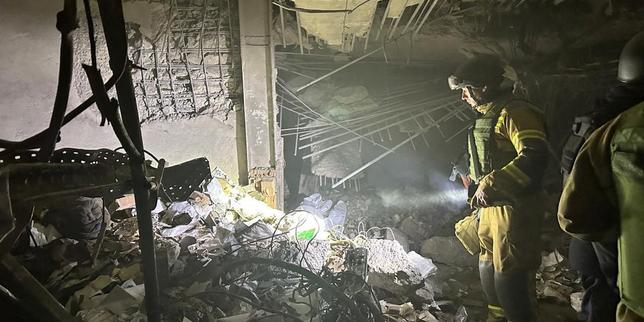
You cannot talk about the 2026 political shift without confronting the geopolitical earthquake that hit earlier in the year. The military conflict with Iran didn't just alter foreign policy—it sent a shockwave directly through global energy markets.
When operations commenced and shipping through critical transit points like the Strait of Hormuz faced severe disruptions, oil prices spiked past triple digits. Refiners cashed in record windfalls, but ordinary motorists paid the price.
To make matters worse, congressional watchdogs and investigative reports revealed that while voters were squeezed at the pump, presidential investment portfolios in oil and gas saw significant gains. That optics disaster created a toxic political cocktail. Voters weren't just dealing with higher prices; they were dealing with a profound sense that the system was rigged against them while crisis unfolded abroad.
The Demand for Congressional Checks
Exit polls from major networks and agencies like the Associated Press revealed a deeper structural anger among the electorate. Nearly seven in ten voters stated explicitly that Congress was failing to provide adequate checks and balances on presidential authority.
This sentiment broke traditional party lines. It wasn't just loyal opposition Democrats registering their complaints; a substantial chunk of independents and even disaffected Republicans agreed that executive overreach had gone too far.
The resulting sweep of both congressional chambers means the legislative branch is ready to reclaim its oversight powers. Investigations into administration policies, financial disclosures, and foreign entanglements are about to hit overdrive.
What Comes Next for a Lame-Duck White House
The political landscape has shifted overnight. With a hostile Congress taking the reins, the administration faces a brutal legislative logjam. Major tax cuts, sweeping policy appointments, and new spending packages are effectively dead on arrival.
Instead of pushing a bold agenda, the remaining years of the term will likely be defined by defensive positioning, veto battles, and bruising budget showdowns. The looming threat of government shutdowns starting in December will test whether a fractured Washington can keep the lights on.
Power in American politics is rented, not owned. For months, the ruling party forgot that economic pain has a short statute of limitations. The voters collected their debt at the ballot box, and the political reality of 2026 looks entirely different than anyone anticipated.