You cannot run an outdoor event when the ground turns into a giant sponge. Edmonton is finding this out the hard way. A historic deluge has completely upended the city's calendar, turning what should be a sun-soaked season of outdoor celebrations into a logistical nightmare.
Environment Canada data reveals that Edmonton soaked up a staggering 580 millimetres of rain by late summer, crushing a long-standing record from 1953 when the city logged 417 millimetres between June and August. Streets have flooded, campsites are waterlogged, and severe weather even spawned a higher-than-usual number of tornadoes across Alberta. For event producers who spend a whole year preparing, it is an absolute scramble.
Why This Summer is Breaking Event Planners
Planning outdoor gatherings in Alberta has always required thick skin and backup plans. But 2026 is different. The sheer volume of water saturating local parks means traditional venue management rules no longer apply.
Look at what happened across the city over just a single weekend. The Heritage Festival had to slash its operating hours because high winds and driving rain battered the grounds. Major attractions like the local science centre faced temporary closures due to sudden indoor flooding. High-profile ticketed events, including the K-Days carnival, the Great Outdoors Comedy Festival, and major concerts by Post Malone and Kesha, faced frustrating delays, structural damage worries, or outright cancellations.
When you lose revenue from cancelled gate sales, recovery is brutal. Yet, Edmonton's cultural heavyweights refuse to fold. Instead, they are adapting with expensive, high-stakes countermeasures.
Folk Fest Fights Back With Sand and Pumps
Take the Edmonton Folk Music Festival. Terry Wickham has coordinated the massive outdoor gathering for nearly forty years, and he calls this the hardest season he has ever faced.
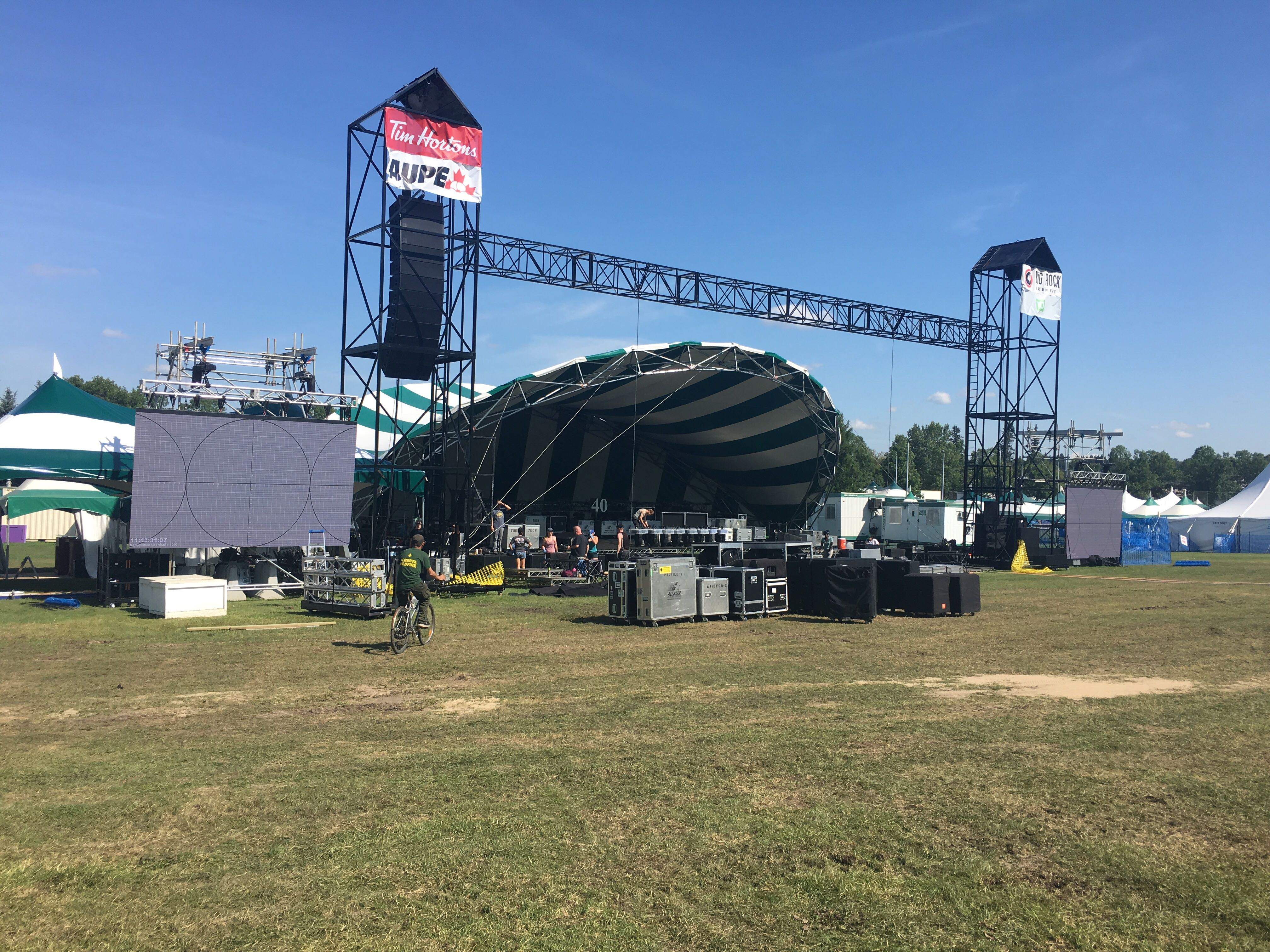
The main festival site took on over two feet of water since June. Walking across the iconic natural amphitheater feels less like strolling through festival grounds and more like wading through a marsh.
To save the event from sliding into a literal mudbath, organizers took drastic action. They ordered 200 tonnes of sand to stabilize the walkways so thousands of attendees can move around safely without sinking into the muck. Crews have pumped out standing water aggressively and triple-checked emergency evacuation routes just in case severe storm cells roll in mid-show.
Because past editions of the festival built up strong financial reserves, organizers could afford to put money away for a rainy day—literally. They aren't skimping on construction materials. They are spending heavily on site protection because cancelling a sold-out institution is simply not an option.
The Fringe Festival Brings in Expert Help
A few blocks away, North America's largest fringe theatre event faces a similar uphill battle. Megan Dart, the executive director of the Edmonton Fringe Festival, knows that theatrical venues and outdoor tent setups are entirely vulnerable to sudden downpours.
Her team expanded emergency response planning to accommodate a much wider range of volatile weather patterns. Most notably, the festival hired a dedicated meteorologist to monitor conditions around the clock.
Instead of relying on standard phone weather apps that often miss hyper-local micro-storms, the Fringe gets 24/7 expert tracking on incoming clouds and threatening storm cells. Real-time data feeds directly into crowd management decisions, ensuring artists, staff, and theatre-goers can be warned instantly via text alert systems before a storm hits.
What Event Organizers Must Learn From This Season
If you manage public gatherings or outdoor operations anywhere in the region, the playbook has changed permanently. Relying on historical weather averages is a recipe for disaster.
- Build rainy-day reserves into your operational budget years in advance.
- Establish direct lines of communication with professional meteorological services rather than trusting generic consumer forecasts.
- Secure heavy stabilization materials like gravel and sand early before local suppliers run out.
- Test your drainage systems and evacuation bottlenecks under maximum water stress.
Edmonton's festival scene is proving that resilience requires cash, quick thinking, and a refusal to let Mother Nature win.
Weather Preps for Edmonton Festivals
This news report covers how Edmonton's major summer festivals are actively managing severe storms and implementing emergency weather precautions.