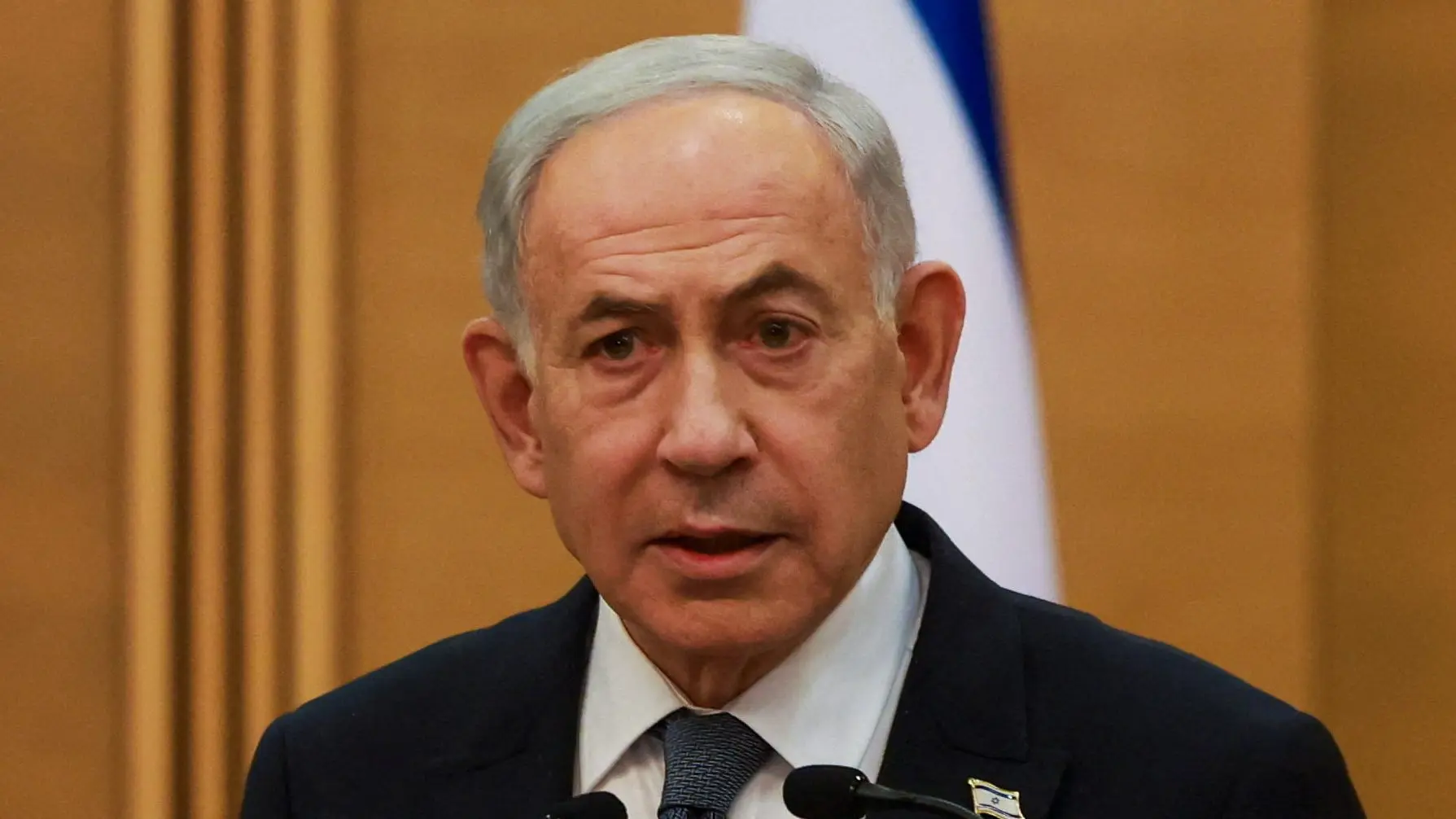
Why Eisenkot Gave Netanyahu a 24-Hour Clock on Unity Talks
Benjamin Netanyahu says he is willing to hand Gadi Eisenkot the prime minister's chair first in a rotation deal, and honestly, the sudden concession feels less like a change of heart and more like a desperate bid to stay in the game.
Following Israel's October 27 general election, neither major bloc walked away with a clean parliamentary majority. President Isaac Herzog tapped Yashar leader Gadi Eisenkot on November 8 to put together a government, leaving Netanyahu as caretaker prime minister with his grip on power looking shaky. On Saturday evening, November 28, Netanyahu posted on X that Likud had won roughly a quarter of a million more votes than Eisenkot's party, yet he was ready to set aside the convention that the largest party leads first and serve as alternate prime minister in a national unity government. Eisenkot shot back with an invitation to immediate coalition talks, putting Likud on a 24-hour clock to prove whether the offer is real or just political theater. Talks were scheduled to meet Sunday morning, November 29, in Herzliya as the December 6 coalition deadline looms. Meanwhile, you can find related developments here: What Most People Miss About The Albania Protests After A Police Officer Caught Fire.
If you're following Israeli politics right now, don't fall for the surface headline alone. A rotation offer sounds generous on paper. In practice, Israeli coalition politics has a long history of rotation promises turning into bitter arguments over timing, authority, and exit ramps.
What Is Actually Happening Behind the 24-Hour Ultimatum
Eisenkot didn't invent this standoff out of thin air. Earlier in the week, his centrist Yashar party signed coalition agreements with Avigdor Liberman's Yisrael Beytenu on Tuesday and Yair Golan's Democrats on Thursday, keeping alive the opposition's push to replace Netanyahu. Still, building a working majority in the Knesset has been messy. Eisenkot has faced friction over potential reliance on Arab-led parties, debates over compromises with ultra-Orthodox factions, and pushback from Naftali Bennett's B'Yachad faction—where Bennett has leaned toward a unity arrangement with Likud while some bloc figures warned of trouble if talks aren't exhausted. To see the full picture, check out the recent report by Associated Press.
On Friday, Eisenkot accused Likud of dragging its feet, noting that the two negotiating teams had met only five times over two weeks. He also pointed out what he views as Likud's red lines: resisting a state commission of inquiry into the failures surrounding Hamas's October 7, 2023 attack, keeping far-right extremists in the coalition, and avoiding real movement on military or national service conscription laws.
Then came Saturday's twist. Netanyahu framed his rotation pitch around existential security threats and the need for national unity. Yet reports quickly surfaced suggesting Netanyahu wanted to remain in office for an unspecified stretch—potentially up to four months according to some outlets—to oversee a possible security escalation involving Iran before handing over the top job. Eisenkot reportedly rejected that condition.
Why Skepticism Is Running So High
When a long-serving leader suddenly offers to step down to number two, seasoned observers ask one simple question: what changed?
Numbers changed. Deadlines changed. Eisenkot had indicated he aimed to announce a new government by the official December 6 deadline without using an extra 14-day extension, putting real pressure on Netanyahu's camp as opposition deals took shape.
Critics inside the anti-Netanyahu camp didn't hold back. Yair Golan dismissed the move as tricks and games, arguing that voters wanted a change of government. Yair Lapid, co-chair of Beyachad alongside Bennett, went even harder, calling the proposal a transparent con and arguing that the real test is swearing in an Eisenkot-led government first before talking about expanding it. Liberman had already warned on Friday that Netanyahu might float a unity pitch as a ploy to derail a change government.
Even Likud's own spin on Saturday night added to the drama. Likud claimed Netanyahu tried to call Eisenkot before and after the announcement without getting through, while Eisenkot briefed his bloc partners and set a 24-hour window to test whether Likud is serious about real policy compromises rather than "the same government, the same partners, no change."
The Real sticking Points Nobody Can Hand-Wave Away
In Israeli coalition math, nobody ever wins an outright majority alone. Every government is a horse trade, and rotation agreements are notorious traps if the fine print isn't ironclad.
Three issues matter way more than who sits in the prime minister's office on day one:
- Conscription and ultra-Orthodox demands: Netanyahu said understandings with ultra-Orthodox parties would still be needed, while Eisenkot has insisted on genuine legislation covering military or national service. You can't bridge that gap with slogans.
- Accountability for October 7: Eisenkot has pressed for a state commission of inquiry into the October 7, 2023 failures. For many voters and lawmakers, that isn't a minor policy detail—it's a core condition of trust.
- Who holds the veto power: In past Israeli rotation deals, disputes over cabinet appointments, judicial or security authority, and the exact moment of handover caused constant friction. If Netanyahu stays in place during a tense regional crisis—especially with Iran and regional fronts on edge—he could argue for staying put far longer than Eisenkot expects.
Here's the bottom line from watching coalition arithmetic over the years: a rotation offer without clear policy commitments is basically a pause button, not a peace treaty.
How to Read the Next Few Days Smartly
If you want to track this story without getting whiplash from every leak and social media post, focus on concrete signals rather than rhetoric:
- Watch the Herzliya meeting outcome: Look for whether Likud brings written policy concessions or only verbal assurances about rotation.
- Track Bennett and Beyachad's stance: Watch how Bennett, Lapid, and Eisenkot align—any split in the anti-Netanyahu bloc immediately shifts the math.
- Keep an eye on the December 6 clock: Notice whether Eisenkot sticks to his stated December 6 target or asks President Herzog for the 14-day extension.
- Check the security caveats: Pay close attention to any language tying the handover date to regional security events, which could delay or derail a clean transition.
Politics in Jerusalem moves fast, and deadlines have a way of forcing people's real cards onto the table. Whether Sunday's talks produce a genuine unity breakthrough or collapse back into a race for a narrow majority, the next 24 hours will show how much weight Netanyahu's offer actually carries.