Gadi Eisenkot just struck a coalition agreement with Yair Golan's left-wing Democrats, a move that puts Eisenkot's centrist Yashar party and its immediate partners closer to a Knesset majority while exposing the sharp contradictions inside Israel's anti-Netanyahu camp.
Two days before the deal was announced, Golan froze talks with Yashar because Eisenkot's side was holding discussions with Prime Minister Benjamin Netanyahu's Likud about a possible unity government. Then the freeze thawed, four ministerial portfolios were put on the table for the Democrats, and both leaders pledged to push forward toward a new government ahead of Eisenkot's December 6 mandate deadline. In similar news, we also covered: What Most People Miss About Nepal's $49.94 Million Glacial Flood Project.
A basic wire report tells you a deal happened and coalition talks are gaining steam. That misses the real story. Getting to 61 seats in the 120-seat Knesset after an inconclusive October 27 election requires stitching together factions that barely agree on who can sit at the table.
Why Eisenkot Needed The Democrats Deal
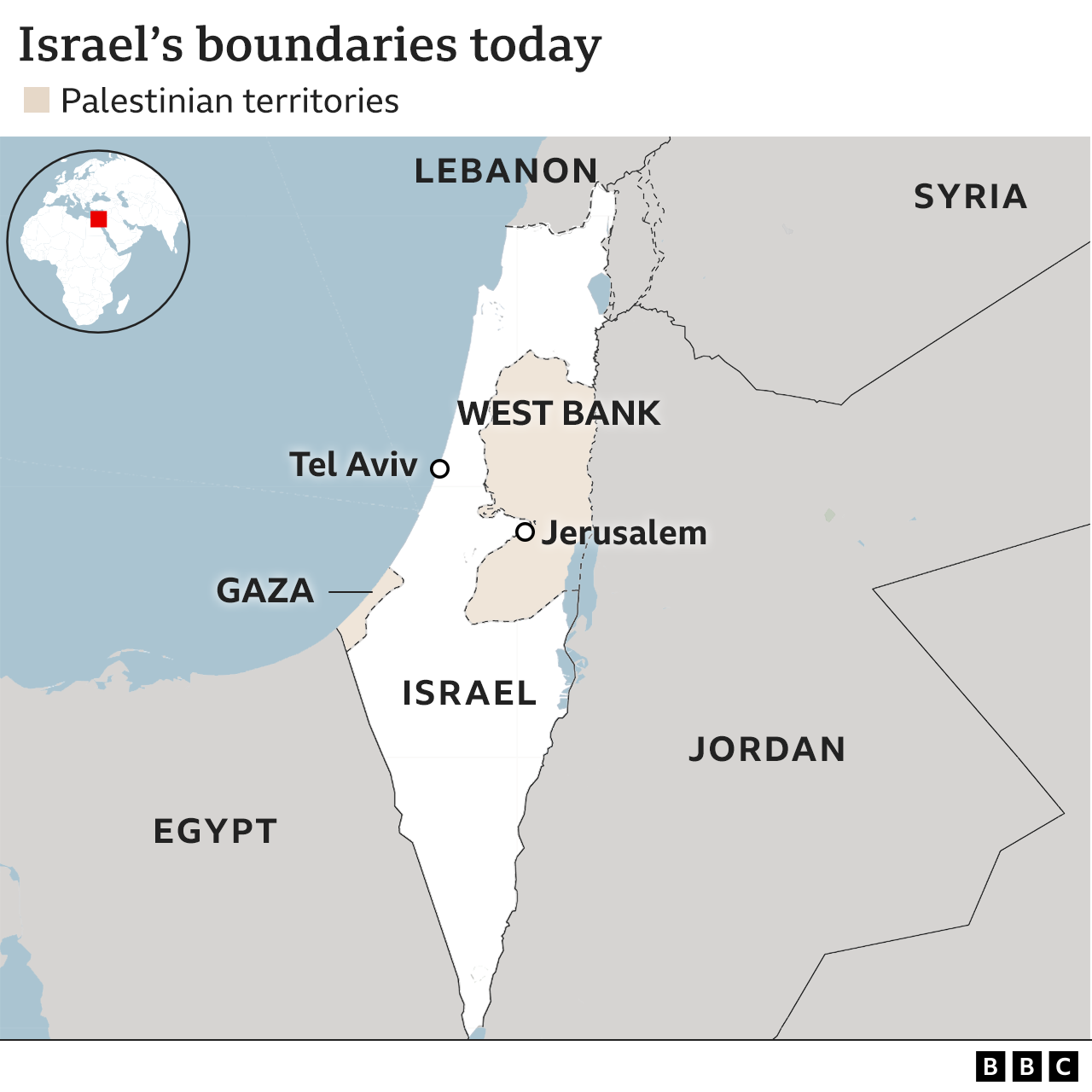
Look at the math from the October 27, 2026 election. Likud finished first with 27 seats, while Eisenkot's new Yashar party came in second with 21 seats, and Yair Golan's Democrats won 8 seats. Even after Yashar also reached a coalition agreement with Avigdor Liberman's Yisrael Beytenu—which holds 7 seats—those pieces alone don't hit 61. BBC News has analyzed this critical topic in great detail.
Bringing the Democrats into the fold gives Eisenkot's bloc 36 seats across Yashar, The Democrats, and Yisrael Beytenu. That's past the halfway mark, yet still 25 seats short of a parliamentary majority.
In Israeli coalition politics, reaching 36 seats feels like momentum. Reaching 61 is where every ideological fault line shows up at once.
That explains why the brief freeze earlier in the week mattered so much. Golan's party made clear it didn't want to sign onto a deal that kept outgoing government policies alive or legitimized a unity arrangement with Likud. Yashar argued that talking to Likud and ultra-Orthodox parties showed a push for the broadest possible government.
Once the dispute cooled down, Golan posted on X that his party had promised voters it would replace Netanyahu and defend democracy, calling on other parties to finalize agreements quickly. Politically, neither side could afford a public blowup while the clock was ticking.
What Four Ministerial Portfolios Actually Signal
Wire summaries often treat ministry counts like scorekeeping. Here, the specific portfolios attached to the Democrats' four-ministry package tell you what Eisenkot's bloc is trying to change—and where it's picking a fight.
According to statements from The Democrats and Israeli reporting, the party is slated to receive four ministerial portfolios alongside parliamentary roles and representation on the Judicial Selection Committee:
- An expanded internal or national security portfolio
- A merged labor, welfare, and social equality portfolio
- The Communications Ministry
- The Culture and Sports Ministry, which is slated to include a new democracy directorate
Merging ministries like labor and welfare—and folding in social equality—fits Eisenkot's pitch to trim a bloated government cabinet. Handing national security to a left-wing party leader like Golan is much more symbolic. That portfolio has been held by far-right National Security Minister Itamar Ben-Gvir, who immediately attacked the deal in harsh terms.
Honestly, that reaction captures why this agreement is a statement before it's a governing majority. Putting a left-wing faction in charge of internal security and judicial selection committee representation signals a sharp break from the outgoing right-wing coalition. It also gives Golan's base tangible policy levers if the government actually forms.
The Coalition Math Still Has Big Holes
Even with Yashar, The Democrats, and Yisrael Beytenu aligned, the rest of the puzzle is messy. Naftali Bennett's Beyachad (Together) won 12 seats, while Arab-led parties—The Joint List with 11 seats and Ra'am with 8 seats—hold 19 seats combined. Meanwhile, ultra-Orthodox factions Shas (6 seats) and United Torah Judaism (7 seats) remain major variables.
Here's the catch nobody in Jerusalem can wave away: Avigdor Liberman has publicly opposed relying on Arab parties for a government, while Ra'am leader Mansour Abbas has predicted his party will be part of the picture. At the same time, Eisenkot and his allies campaigned on ending ultra-Orthodox military draft exemptions and sharing the service burden more evenly, even as talks or informal contacts with ultra-Orthodox parties and Bennett continue.
You can't easily square all of those circles without compromises that anger someone. If Liberman won't back a coalition dependent on Arab parties, and ultra-Orthodox parties resist draft changes, Eisenkot has to find a combination that clears 61 without falling apart on day one.
Why The Draft And Deadline Pressure Matter Most
Short-term coalition headlines focus on who shook hands on Thursday. Longer-term stability comes down to two pressures: the December 6 mandate deadline and the unresolved dispute over ultra-Orthodox conscription.
Under Israeli government-formation rules, Eisenkot was tasked by President Isaac Herzog after the election and faces a December 6 deadline, with the option of a 14-day extension. If he can't pull together a majority, Netanyahu could get a shot, or Israel could face another election next year.
Military service isn't just a talking point in these talks. It's a core social and political flashpoint for parties promising fairness to reservists and secular or centrist voters, while ultra-Orthodox leaders fiercely oppose mandatory conscription for yeshiva students. A deal on paper means very little if a coalition can't survive its first major budget or draft vote.
What To Watch Next
If you're following whether Eisenkot can actually pull off a change government or gets stuck in parliamentary gridlock, keep an eye on four concrete developments:
- Bennett's next move: Watch whether Beyachad's 12 seats commit to Eisenkot's bloc or stay tied up in talks with Likud.
- The Arab-party question: Look for explicit wording on whether Ra'am or The Joint List provides votes or support, and how Liberman responds.
- Conscription language: Check any leaked or published coalition text for concrete timelines or enforcement mechanisms on ultra-Orthodox draft rules.
- The December 6 clock: Note whether Eisenkot asks for a 14-day extension or tries to present a finalized cabinet before the initial window closes.
For official election tallies and seat breakdowns from the 26th Knesset vote, check Israel's Central Elections Committee. For ongoing coverage of the talks, compare reports from The Times of Israel and Reuters.
Coalition agreements in Israeli politics are starting lines, not finish lines. Until 61 Knesset members actually vote in a new government, every handshake is provisional.