When a routine commercial flight broadcasts an emergency code, air traffic control towers across the region instantly tense up. That is exactly what happened when a Flydubai flight heading toward Tel Aviv triggered a hijacking alert, forcing fighter jets into the air and leaving hundreds of passengers stranded.
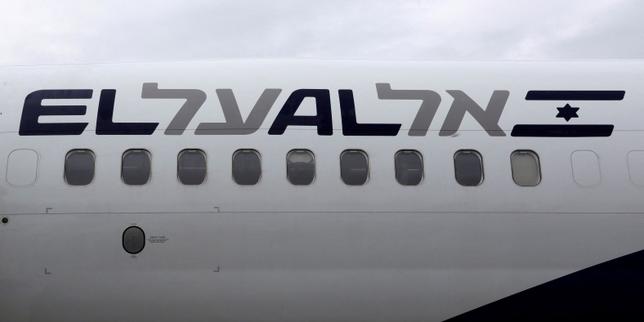
If you are tracking how regional aviation security crises ripple outward, you already know the fallout didn't stop at the runway. Israel's national carrier, El Al, initially stepped up to run rescue flights to bring home citizens stuck in Dubai. Then came the sudden reversal. El Al pulled the plug on those scheduled Friday rescue flights, leaving travelers waiting and questions mounting. You might also find this connected story insightful: Why Us Visa Officers Do Not Care About Your Documents.
What Triggered the Aviation Chaos in Dubai
The root cause goes back to a terrifying incident involving a Flydubai aircraft carrying more than 150 passengers. Somewhere en route to Ben Gurion Airport, the flight experienced an abrupt descent at an altitude that raised immediate security alarms, accompanied by a distress signal activated by the flight deck. Rumors and initial reports pointed toward a cockpit disagreement that spiraled into a full-scale security scare.
Israeli Prime Minister Benjamin Netanyahu and Defense Minister Israel Katz immediately convened emergency security consultations. Fighter jets were scrambled to intercept and monitor the situation as the plane altered its course. Even though the aircraft eventually landed safely and passengers disembarked at Lod, the immediate operational consequence was swift: Flydubai suspended its regular connections between the United Arab Emirates and Israel. As highlighted in detailed coverage by The Points Guy, the results are notable.
Why El Al Scrapped Its Rescue Operations
With commercial routes temporarily frozen, El Al announced plans to dispatch two special repatriation flights on Friday to scoop up stranded Israeli nationals in Dubai. Travelers packed their bags, expecting a swift exit.
Hours later, those plans evaporated. An El Al spokesperson confirmed to Agence France-Presse that the flights were canceled outright, offering zero details on when or if alternative arrangements would be made. When a major airline cancels rescue services on short notice, it usually points to rigid diplomatic roadblocks, unresolved security clearances, or sudden airspace restrictions imposed behind closed doors.
Stranded passengers now face a frustrating waiting game. Regular ticket holders caught in the crossfire of suspended routes have limited options, as regional carriers reassess their safety protocols day by day.
Navigating Sudden Flight Disruptions in High Risk Regions
If you find yourself stuck abroad because of sudden geopolitical or aviation security shutdowns, standard airline customer service lines are usually useless. They get jammed instantly, and automated systems can't override grounded fleets.
- Monitor official civil aviation authorities rather than relying solely on social media speculation.
- Contact your embassy or consulate immediately if you are trapped without lodging or financial support.
- Look into alternative hubs outside the immediate zone of conflict rather than waiting for direct routes to reopen.
Aviation safety protocols move fast when tension spikes. Keep your documents close and your travel insurance policy active.