When entire towns turn into riverbeds and livestock have to swim just to survive, you know a weather pattern has gone way past ordinary seasonal trouble. Across Argentina, Paraguay, and Uruguay, relentless El Niño rains are driving thousands from their homes, swelling major waterways to levels not seen in over four decades.
If you look closely at what is happening on the ground, this is not just a story about bad weather. It is a harsh reminder of how fragile regional infrastructure is when confronted with extreme climate shifts. Let's break down why these floods are hitting so hard right now and what they mean for the communities caught in the crosshairs.
The Crushing Scale of the Current Deluge
The numbers coming out of the border city of Ayolas in Paraguay tell a brutal story. More than 2,000 people have fled their homes as the Paraná River reached its highest mark in over forty years. When the local mayor has to warn residents that the water hasn't even peaked yet, panic sets in fast.
It is a similar nightmare in the Argentine Litoral region—specifically in provinces like Corrientes, Entre Ríos, and Misiones. Heavy rainfall has triggered massive surges in both the Uruguay and Paraná rivers. Fields are completely submerged, forcing ranchers to watch helplessly as their cattle swim through deep currents to find patches of dry ground.
Downstream in Uruguay, the situation remains just as tense. The Salto Grande hydroelectric dam, which is jointly managed with Argentina, has been forced to gradually open its spillway gates to relieve extreme pressure from the rising Uruguay River. That maneuver prevents catastrophic structural failure at the dam, but it pushes floodwaters straight into urban areas downstream, displacing dozens of families who barely had time to pack bags.
Why El Nino Packs Such a Violent Punch Here
Most people know El Niño as a Pacific Ocean warming phenomenon, but its reach into South America's interior river basins is direct and devastating. When sea surface temperatures rise, atmospheric circulation shifts, dumping persistent, torrential rainfall over southern Brazil, where the Paraná, Uruguay, and Iguazú rivers originate.
All that water has to go somewhere. It funnels south through a vast network of tributaries, turning normally stable riverbanks into raging bottlenecks.
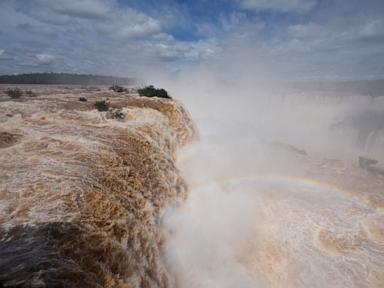
Tourism isn't spared either. At Iguazu Falls, sitting right on the border of Argentina and Brazil, park authorities had to shut down the walkways leading to the iconic Devil’s Throat. When the Iguazú River swells to dangerous velocities, visiting one of the world's greatest natural wonders becomes a lethal gamble.
The Real Crisis Lies in Infrastructure Preparedness
We talk about El Niño cycles as if they catch everyone by surprise, but meteorologists track these patterns months in advance. National weather services across southern Brazil, Argentina, and Uruguay frequently warn of above-average rainfall months before the first banks burst.
So why are thousands still scrambling for high ground every single time?
The bottleneck isn't forecasting; it's adaptation. Hydroelectric plants like Yacyretá and Itaipú have to perform emergency gate openings, suspending tourist visits and scrambling to manage massive water inflows because regional flood defenses are largely reactive rather than proactive. Building higher dikes or relocating vulnerable low-lying neighborhoods costs money that local governments rarely spend until the water is already lapping at doorsteps.
What Comes Next for Drenched Communities
The immediate future looks bleak. Uruguayan weather officials are warning that the country’s drenched northwest has yet to see its heaviest rain of the year. Southern Brazil faces similar forecasts stretching deep into December.
For the families currently living in temporary shelters across Paraguay, Argentina, and Uruguay, the cycle of fleeing, returning to ruined homes, and waiting for the next flood is an exhausting reality. Until regional authorities invest heavily in modern watershed management and smart zoning laws that stop residential building in flood-prone river basins, these dramatic rescues and swimming cattle will remain an annual normal.