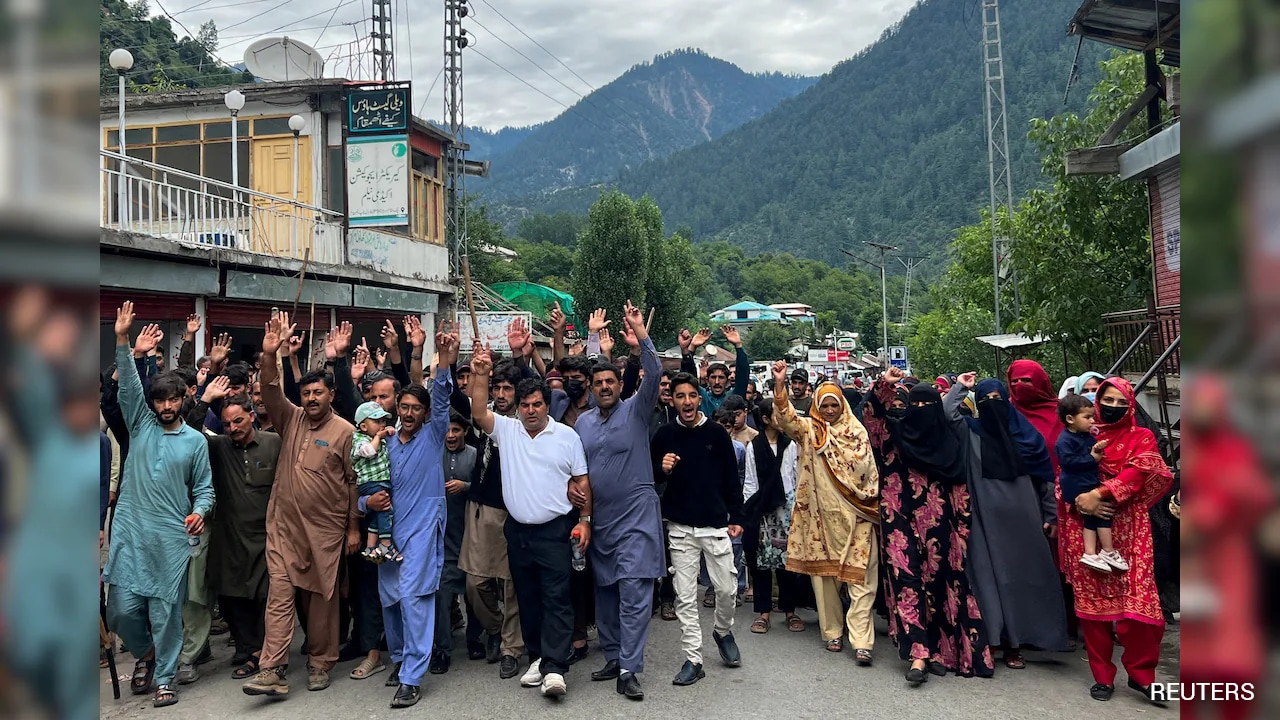
Democracy looks a lot different when a ballot box is burning in the street. You don't hear about the raw, unfiltered chaos of regional elections until someone dies. Then the headlines flash, the pundits argue, and everyone forgets until the next crisis. But the opening phase of elections in Pakistan-administered Kashmir, commonly known as PoK, routinely exposes a deeper rot.
Let's look past the sanitized press releases. When violence mars the opening phase of PoK polls, it isn't an isolated accident. It's a symptom of a structurally fragile environment where political expression collides with heavy-handed state control and deep-seated local grievances.
The Reality on the Ground
Elections in contested zones carry massive stakes. For local candidates, winning local office means securing patronage networks, resources, and influence in a region heavily dependent on external administration. For the electorate, casting a vote often feels like a high-risk gamble.
When a ballot box gets torched and bodies start dropping, basic democratic participation breaks down completely. You can't have a free choice when polling stations turn into war zones. Intimidation is the default strategy for factions that fear losing control.
Why Regional Tensions Explode During Voting
Why do these specific electoral cycles trigger such lethal outcomes?
- Deep Distrust of Administration: Locals frequently view the electoral machinery as rigged or heavily manipulated from the outside.
- Armed Enforced Presence: Heavy security deployments meant to keep order often act as flashpoints, heightening local hostility.
- Clashing Political Loyalties: Tribal affiliations, regional identities, and central government interference create toxic local rivalries.
People want representation. Instead, they get suppression. The friction between grassroots political ambitions and overarching geopolitical constraints turns every election cycle into a tinderbox.
Moving Past the Surface Narrative
Most mainstream reports treat these violent episodes as sudden anomalies. They aren't. They are predictable outcomes of prolonged political disenfranchisement. When a population feels its voice is structurally suppressed, frustration spills over into physical confrontation.
If you want to understand why these regions remain volatile, stop looking at election day in isolation. Look at the months of stifled dissent, blocked candidates, and economic desperation leading up to it.
Pay attention to who benefits from the chaos. Keep your eyes on the structural cracks, because another ballot box will burn soon enough.
This video provides an archival look at how election day disputes escalate rapidly into deadly confrontations involving crowds and security forces.
http://googleusercontent.com/youtube_content/1