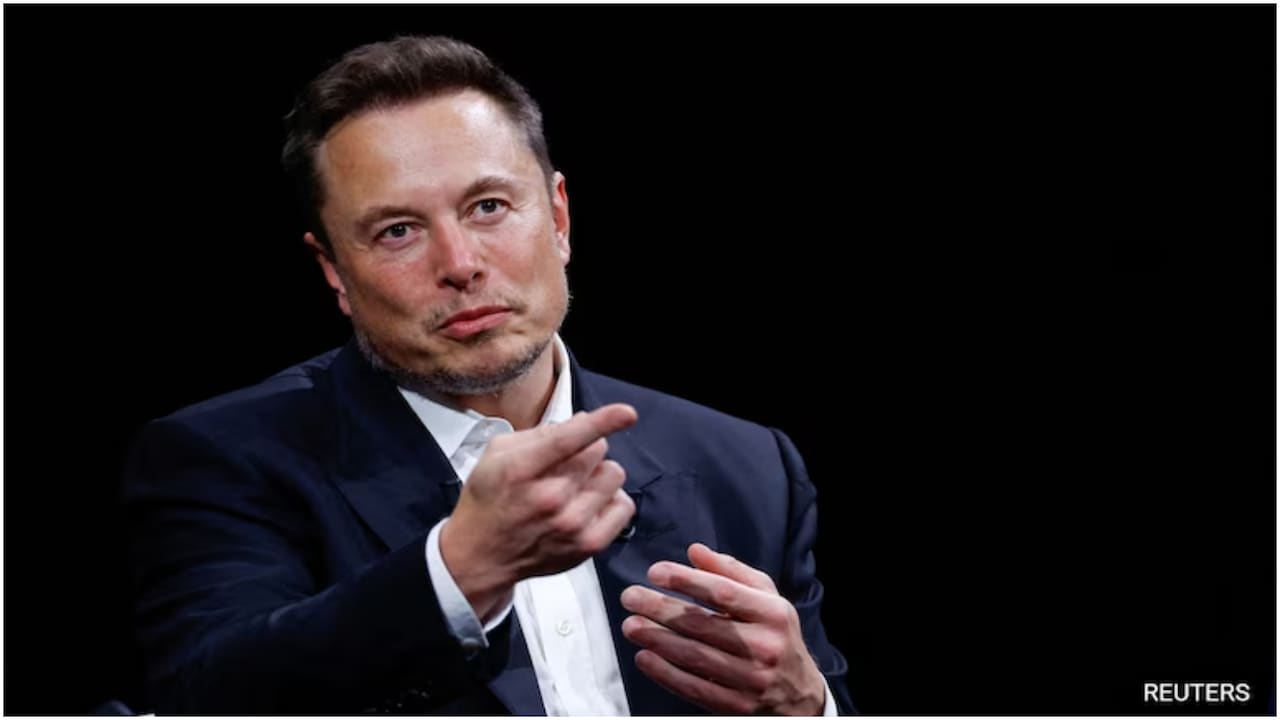
Campaign finance laws are basically a giant joke at this point. Whenever election season rolls around, everyone acts shocked that billionaires are writing blank checks to sway voters. But the 2026 midterms hit different. Elon Musk sitting atop the donor list isn't just another wealthy guy tossing money at politicians. It marks a total transformation in how tech power and political influence fuse together.
If you're wondering who is actually footing the bill for the upcoming elections, you aren't alone. Public frustration is boiling over. Mega-donors are no longer content with staying behind the scenes funding traditional political action committees. They want direct ownership of the political narrative. Musk leading the pack of top contributors changes the game. It proves that the old guard of establishment donors is losing ground to tech titans who wield platform control alongside cash.
Let's break down why this cycle feels so heavy, who else is throwing their weight around, and what this means for the future of American governance.
The Shift From Traditional Super PACs to Direct Tech Influence
For decades, the playbook for political donors was predictable. You wrote a million-dollar check to a shadowy Super PAC run by party operatives. They bought 30-second attack ads on local cable TV. Voters rolled their eyes and tuned out.
That playbook is dead.
Today's mega-donors operate differently. When someone like Elon Musk pours resources into the political sphere, they bring an entire ecosystem. They bring algorithms, massive social media reach, and direct lines of communication to millions of voters. It is not just about buying a TV spot anymore. It is about shaping the very environment where political discourse happens.
Musk topping the donor charts for the 2026 midterms reflects a broader realization among ultra-high-net-worth individuals. Why rent political influence when you can help build the platform where elections are won and lost? The line between tech entrepreneur and political powerbroker has completely vanished.
Meet the Rest of the Heavy Hitters
Musk might grab the biggest headlines, but he isn't operating in a vacuum. The top twenty donors driving the 2026 midterms represent a mix of traditional industrial fortunes, hedge fund titans, and emerging cryptocurrency magnates.
Crypto capital has flooded into this election cycle faster than almost anyone predicted. Digital asset executives realized that Washington can make or break their entire industry with a single regulatory vote. Because of that existential threat, they are spending like never before. They are funding candidates across party lines based strictly on digital finance policy rather than traditional partisan loyalty.
Wall Street billionaires remain steady players too. Financial heavyweights continue backing establishment candidates to protect tax structures and corporate interests. But their influence feels diluted compared to past cycles. Why? Because a single viral post or platform-wide algorithm tweak can shift public opinion faster than ten million dollars worth of direct mailers.
The traditional power dynamic where party bosses dictated terms to donors has flipped. Now, the donors dictate terms to the parties. If a candidate wants access to the top-tier funding networks, they have to align with the priorities of these tech and finance heavyweights.
What Voters Get Wrong About Campaign Money
People love to complain that politicians are simply bought and paid for. While money certainly buys access, voters often misunderstand how campaign cash actually impacts an election.
Throwing millions of dollars at a race doesn't guarantee a win. We see millions wasted on losing candidates every single cycle. Money acts as an amplifier, not a magic wand. It keeps a failing campaign alive, funds aggressive opposition research, and floods the zone with messaging. But it cannot force an unpalatable candidate down the throats of an electorate that has already made up its mind.
The real danger of massive donor dominance isn't that elections are literally rigged by billionaires. The danger is access and prioritization. When the top twenty donors fund the entire infrastructure of modern campaigns, politicians spend their time listening to those twenty people instead of the millions of everyday citizens they supposedly represent.
Lawmakers develop blind spots. They focus obsessively on issues that matter to Silicon Valley executives, Wall Street bankers, and crypto founders. Meanwhile, everyday struggles like housing costs, local infrastructure, and healthcare get pushed to the back burner.
The Regulatory Illusion
Every time campaign spending shatters previous records, pundits call for sweeping reform. They demand new campaign finance laws, stricter disclosure rules, and public financing of elections.
Nothing changes.
The Supreme Court made it clear years ago through rulings like Citizens United that political spending is a form of protected speech. Smart legal teams and wealthy donors will always find workarounds. Whether through dark money non-profits, independent expenditure groups, or localized state initiatives, the money finds a way in.
Expecting the political system to regulate its own funding is like asking a fox to redesign the hen house. Politicians benefit from the current system because it keeps them well-funded. The donors benefit because they get a seat at the table.
Where We Go From Here
If you want to survive the political noise of the 2026 midterms without losing your mind, you have to look past the dollar figures.
Stop treating every multi-million-dollar donation as an automatic victory for that candidate. Watch how the money is deployed. Pay attention to whether a candidate relies purely on billionaire backers or builds a grassroots coalition of small-dollar contributors. Grassroots energy still matters, especially in tight local races where door-to-door ground game beats a national Super PAC ad every single time.
The dominance of Elon Musk and the top twenty donors in the 2026 midterms is a symptom of a deeper political realignment. Tech, finance, and politics are permanently intertwined. Understanding that reality is the only way to make sense of the chaos unfolding in Washington.
Look past the hype. Focus on local policy. Vote like your everyday life depends on it, because the billionaires certainly are.