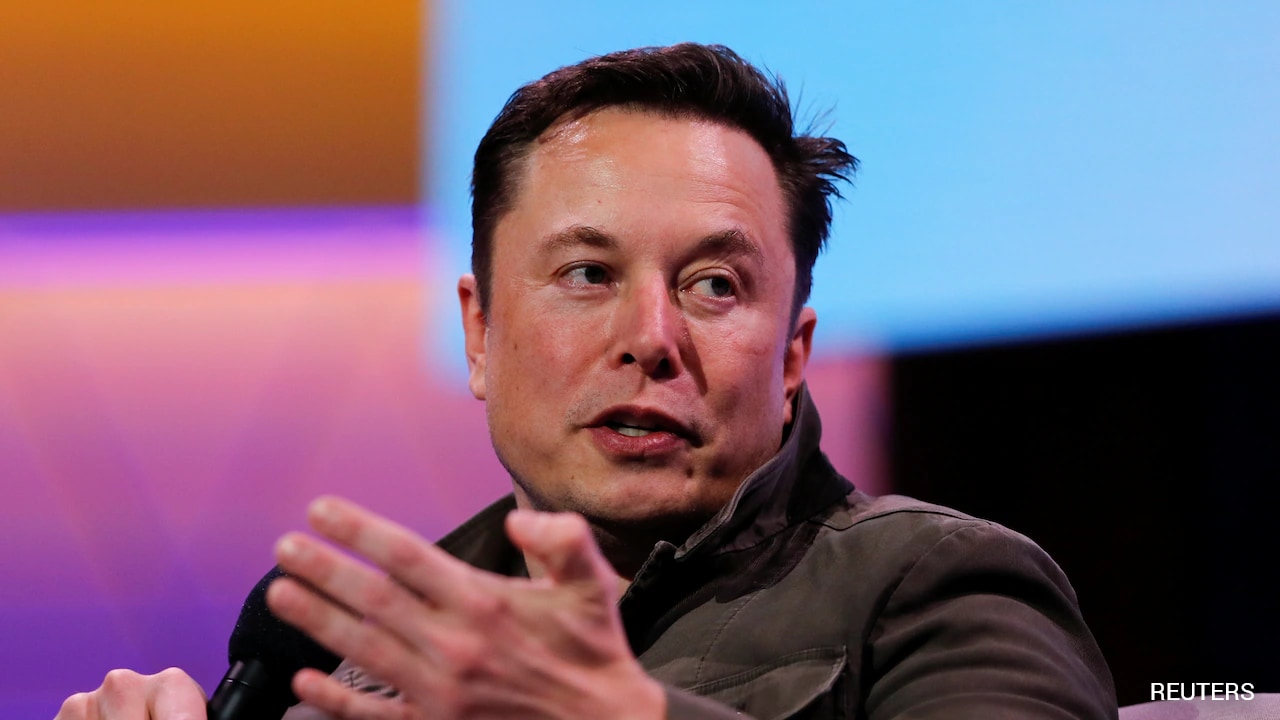
The corporate battlefield in South Asia just got a lot louder. Elon Musk has taken his ongoing frustration with India's telecom entry barriers straight to public social media, targeting billionaire Mukesh Ambani with pointed jabs and archival political funding reports. If you've been watching the headlines, you know this isn't just about satellite dishes or corporate rivalry. It is a high-stakes collision over who gets to connect the next billion internet users.
Starlink has spent years trying to secure final authorization to deploy commercial satellite broadband across the subcontinent. Musk argues that administrative red tape and powerful incumbents are deliberately stalling his progress to preserve regional monopolies. On the other side, Indian telecom regulators and government officials maintain that every applicant must clear identical security compliance thresholds and spectrum pricing frameworks before getting the green light.
Instead of keeping the debate strictly about broadband licensing, Musk escalated the rhetoric. He posted screenshots highlighting historical media reports regarding Reliance-linked political donations and online campaign backing. This move shifted a standard regulatory dispute into a fiery public spectacle, drawing sharp reactions from political commentators and government ministers alike.
Breaking Down the Satcom License Standpoint
Why is everyone fighting over satellite internet in India right now? Simple. Millions of people in remote regions still lack reliable terrestrial broadband. Traditional fiber infrastructure takes massive capital expenditure and years of physical digging to reach distant villages and hilly terrains. Low-Earth orbit satellites bypass those physical hurdles completely.
Three major entities have already secured their initial GMPCS licenses:
- Starlink
- Jio Satcom (backed by Reliance)
- Eutelsat OneWeb (backed by Bharti)
Securing a license is only the first hurdle. Companies cannot flip the switch until the Department of Telecommunications finalizes the spectrum allocation pricing model and verifies strict security compliance. Communications Minister Jyotiraditya Scindia has repeatedly emphasized that the framework remains technology-agnostic and non-discriminatory. According to official statements, no single enterprise holds a state-sanctioned monopoly, and three separate players are waiting on the exact same pricing rules.
The Real Intent Behind the Public Clash
When tech founders spar with energy and telecom titans publicly, public relations strategies are always at play. Musk knows that drumming up noise on social media applies external pressure on regulatory timelines. By casting the delay as an attempt to protect incumbent dominance, he appeals directly to consumers who want fast, accessible satellite connections.
At the same time, domestic telecom giants have massive investments tied up in 5G rollouts and fiber-to-home infrastructure across India. Introducing a foreign low-Earth orbit competitor with aggressive global pricing changes the competitive calculus entirely. Incumbents want strict local data-hosting rules, rigorous security protocols, and fair-level playing fields that account for their heavy domestic investments.
What Comes Next for Starlink and India
The standoff won't end with a series of heated posts on X. The final outcome rests entirely on how quickly TRAI and the telecom ministry establish the revenue-sharing framework for satellite spectrum. Once those financial terms drop, licensed operators will have to meet every single security audit requirement before launching commercial terminals.
If you are tracking how foreign tech giants navigate emerging markets, watch the upcoming spectrum auctions and pricing announcements closely. That will determine whether Starlink enters the market rapidly or faces continued bureaucratic friction. The battle lines are drawn, and the digital connectivity map of South Asia hangs in the balance.