Decades of dark history closed out when Wesley Shermantine breathed his last inside California State Prison, Sacramento. At 60 years old, the infamous half of the "Speed Freak Killers" died on death row. Prison officials pronounced him dead at 6:00 p.m. after he was found in the central health building. The Sacramento County Coroner's Office took charge of determining his exact cause of death, but for the families of his victims, his demise marks the end of a long, agonizing chapter.
If you lived in Northern California during the 1980s and 1990s, the terror sparked by Shermantine and his childhood friend Loren Herzog felt entirely real. Driven by chronic methamphetamine abuse, the pair operated a multi-year reign of terror around San Joaquin County. They targeted young women and acquaintances, leaving a trail of missing persons cases that baffled local law enforcement for years. Arrested finally in 1999, Shermantine faced trial, earned four first-degree murder convictions, and received a death sentence.
Unraveling the Brutal Legacy
People often wonder how two small-town mechanics from Linden could evade justice for so long. The answer lies in a toxic mix of rural isolation, heavy drug use, and calculated concealment. They earned their grim nickname from their severe crystal meth habits, which fueled erratic and violent behavior. Investigators ultimately tied them to at least twenty murders, though dark rumors and Shermantine's own taunting letters hinted that the true count might have exceeded seventy.
When authorities caught up to them, the legal system stumbled through a maze of appeals and technicalities. Herzog managed to get his convictions overturned in 2004 due to a coerced confession. He later took a plea deal for voluntary manslaughter, scored a controversial parole in 2010, and died by suicide just two years later. Shermantine, meanwhile, stayed locked away. He sat on San Quentin’s death row until California’s shifting policies relocated him to Folsom.
The Search for Answers and Remains
Shermantine never truly stopped playing games with investigators or grieving families. From his prison cell, he sent cryptic maps and letters to bounty hunters and reporters. These notes pointed toward abandoned wells and remote rural properties in Calaveras and San Joaquin counties.
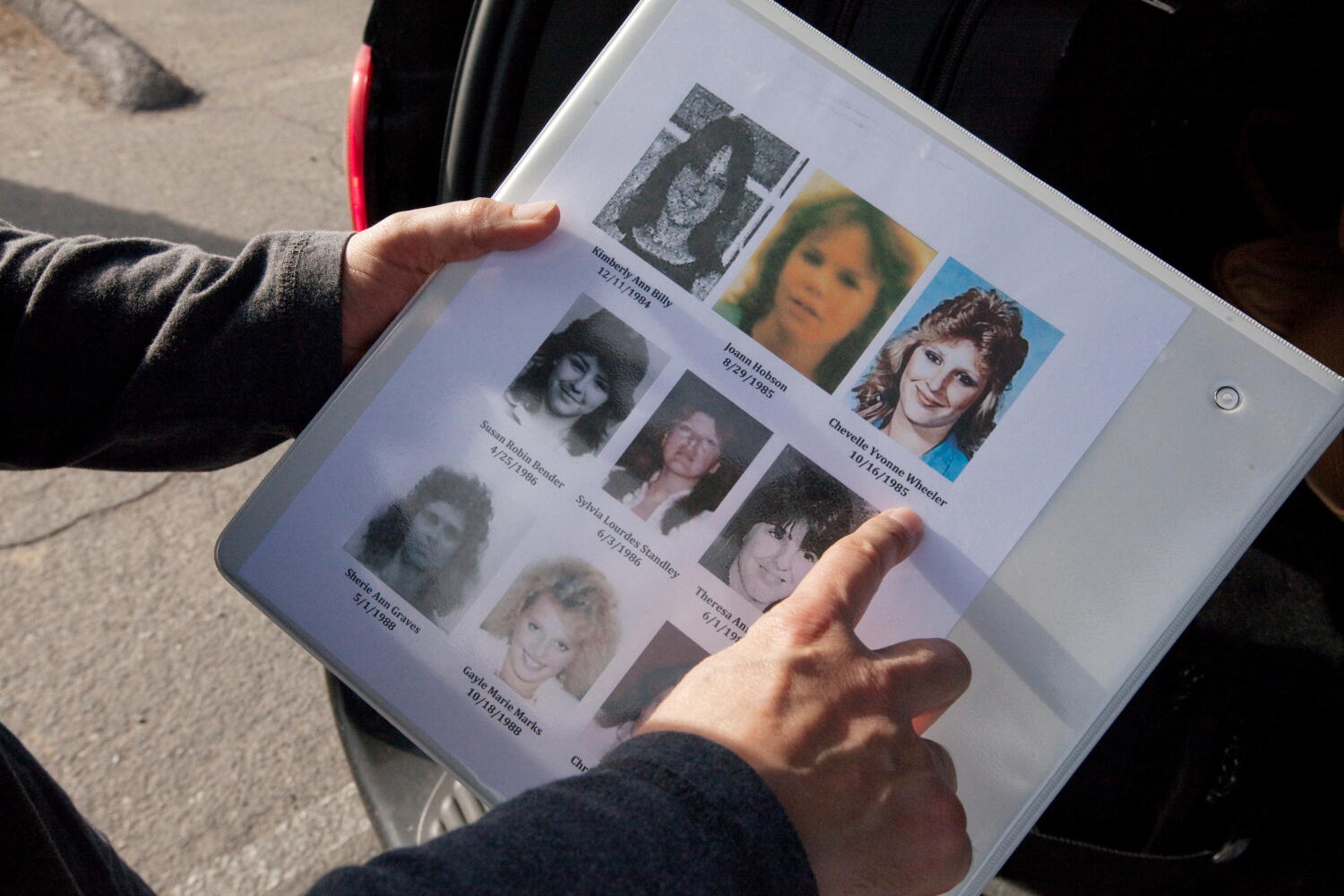
In 2012, those grim maps paid off. Search teams combed an old well on a Linden property once owned by the Shermantine family. They recovered over a thousand human bone fragments. DNA testing confirmed the remains belonged to long-missing teenagers like Kimberly Ann Billy and Joann Hobson, alongside other victims including Cyndi Vanderheiden. For families who spent decades wondering what happened to their daughters, the recovery offered a bitter, fragmented closure.
Now that both Shermantine and Herzog are gone, the physical threat is entirely extinguished. Yet the trauma etched into Linden and Stockton remains permanent.
Take a moment to look at how cold cases survive through community memory and relentless advocacy. Families like the Vanderheidens fought for decades to extract truth from monsters. If you are tracking true crime history in California, remember that the true cost of these crimes lives in the enduring resilience of the victims' loved ones, long after the killers face their final reckoning.
‘Speed Freak Killer’ Wesley Shermantine dies while incarcerated at 60
This video provides a news broadcast covering the official announcement of Wesley Shermantine's death in prison at age 60.
http://googleusercontent.com/youtube_content/1