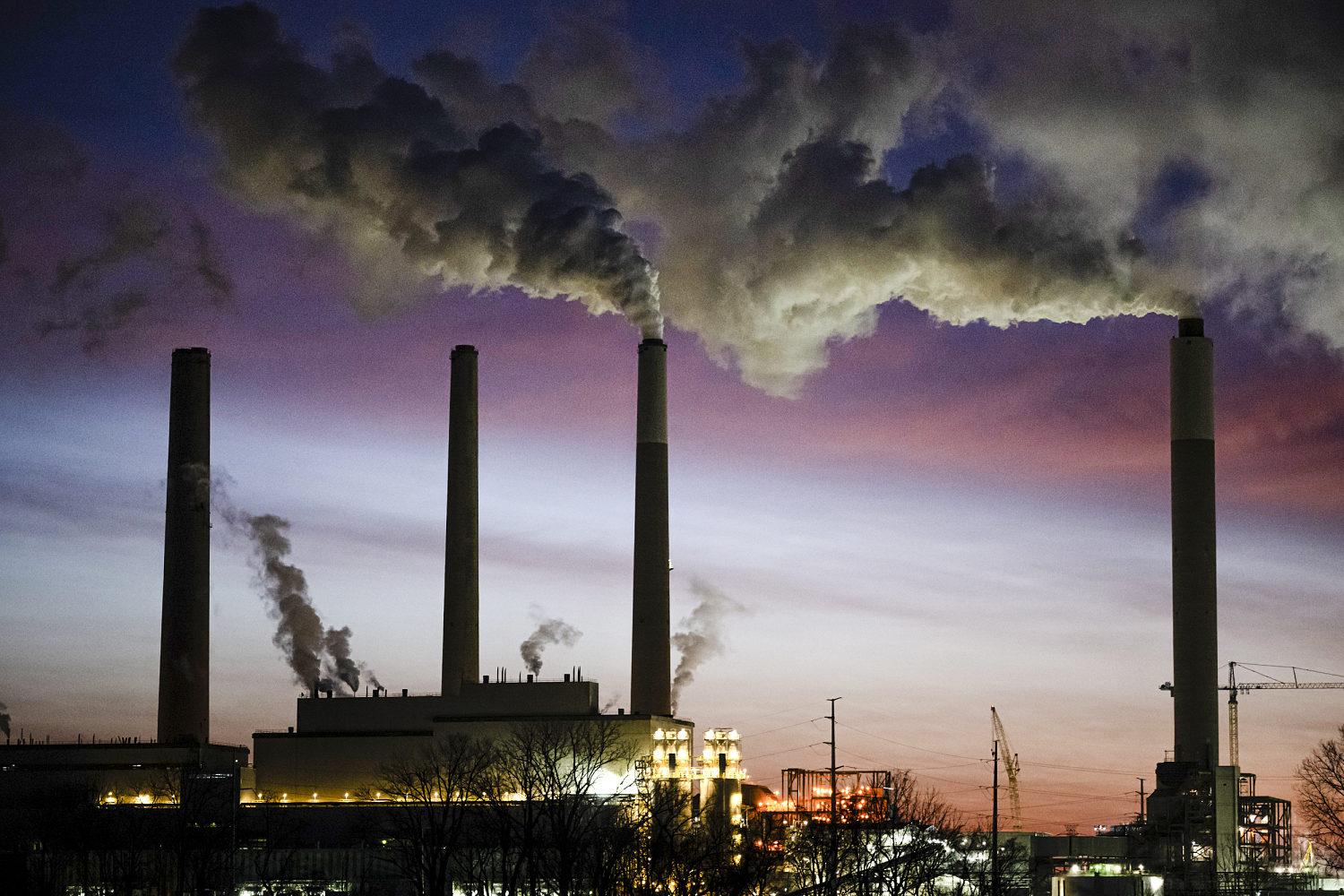
The federal government just upended American energy policy. If you thought climate regulations were locked in stone, think again. The Environmental Protection Agency officially axed strict caps on carbon pollution from coal and natural gas plants.
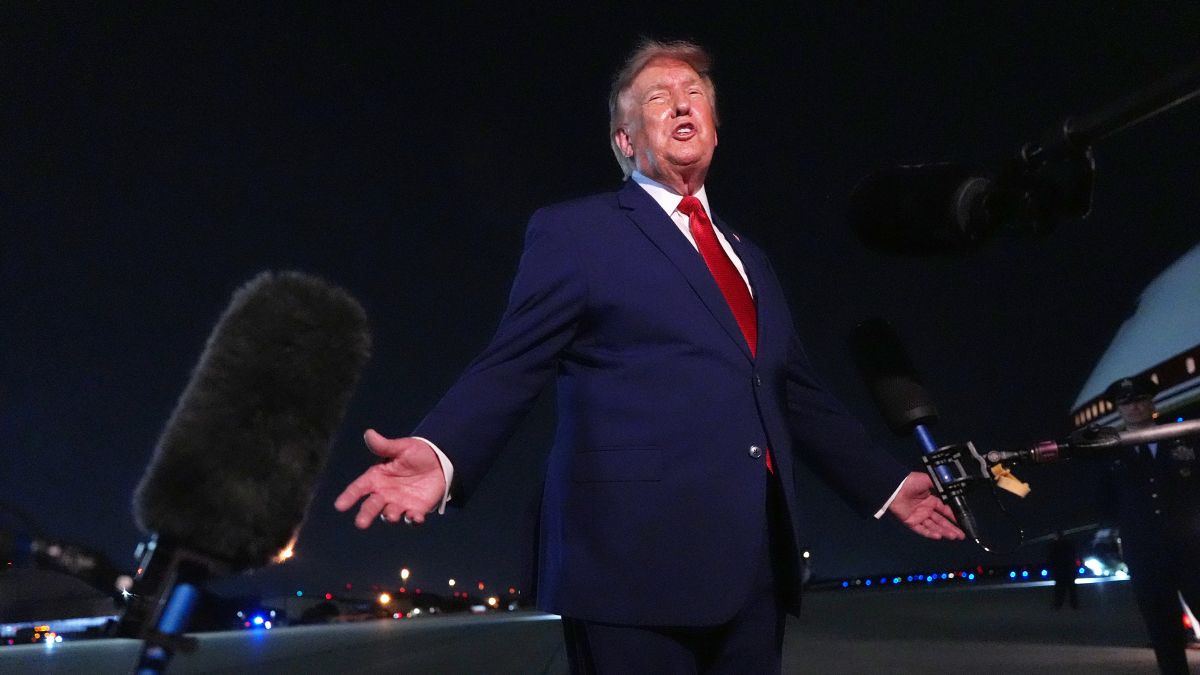
The decision rolls back the 2024 standards established under President Joe Biden, which required fossil fuel plants to slash emissions by 90% using technologies like carbon capture or face closure. According to EPA Administrator Lee Zeldin, the repeal saves the utility industry over $300 billion in compliance costs and frees operators from forced closures.
You need to look past the political spin to see what this actually means for grids, bills, and the environment.
The Economic Argument For Stripping the Caps
Proponents of the rollback argue that power grids are facing unprecedented strain. Surging demand from data centers, artificial intelligence training facilities, and modern manufacturing plants requires steady, reliable baseload power. Coal and gas advocates, such as the trade group America's Power, pointed out that the previous rules threatened grid reliability by pushing older plants into early retirement.
By lifting these federal restrictions, utilities can keep existing facilities running without pouring capital into expensive carbon capture infrastructure. The administration frames this as a vital step to unleash domestic energy production and lower consumer utility bills.
Critics counter that the short-term savings come with massive long-term liabilities. Environmental lawyers and public health advocates point out that eliminating these standards removes critical checks on pollutants that trigger asthma, heart disease, and lung failure.
The Battlegrounds Ahead In Court
This regulatory U-turn won't go unchallenged. State attorneys general and environmental organizations are already preparing lawsuits to block the repeal.
Legal experts expect a fierce courtroom battle over the interpretation of the Clean Air Act. The EPA under the current administration has taken the aggressive stance that carbon dioxide and greenhouse gases from stationary sources do not meet the statutory threshold to warrant aggressive federal mitigation. That shift mirrors earlier actions this year targeting vehicle tailpipe emissions and scaling back foundational climate policies.
If the administration's legal logic holds, it will restrict future White Houses from using environmental statutes to mandate sweeping decarbonization across the power sector.
What Happens to Your Electricity Next
The immediate reality is messy. Utilities are caught between contradictory market forces. Even without federal mandates, many companies face pressure from corporate buyers, investors, and state-level clean energy targets to reduce emissions.
Building new coal plants isn't happening anyway due to economics, but keeping dirty legacy units alive longer keeps cheap power flowing where grids are tight. Energy prices remain volatile, driven by global disruptions and domestic demand spikes.
Watch how individual states respond. Local regulators hold the real keys to whether coal plants stay open or shut down.
Take a close look at your regional grid operator's resource adequacy reports if you want to understand where your power is coming from next year.
EPA repeals limits on greenhouse gas emissions from power plants
This video from PBS News offers a concise breakdown of the regulatory rollback and the immediate pushback from environmental advocates.