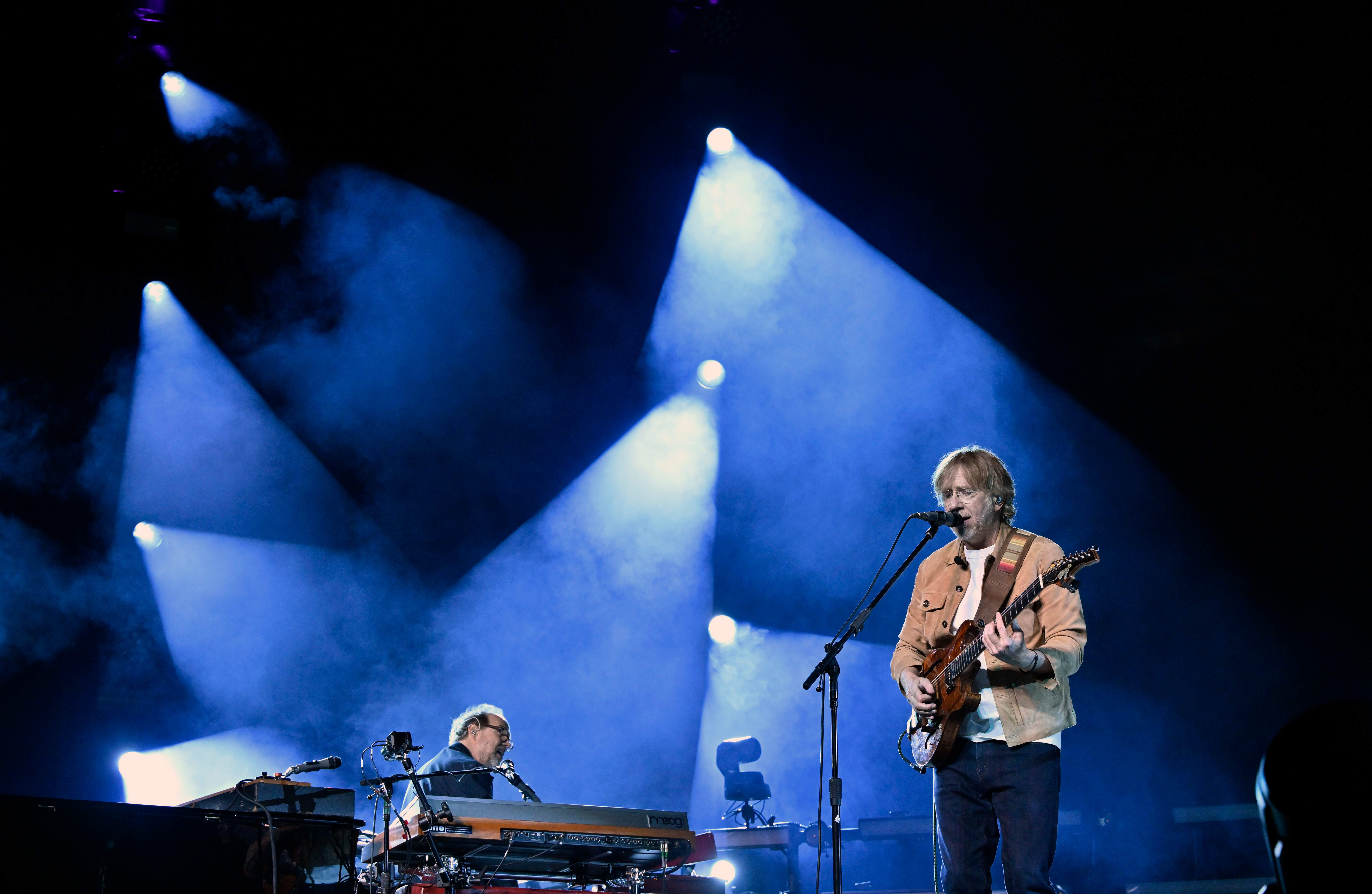
Traditional concert touring is breaking under its own weight. If you've tried buying tickets for a major artist lately, you've likely noticed a strange trend. Massive acts aren't bouncing from city to city for nine straight months anymore. Instead, they're parking themselves in a single arena or custom-built venue for weeks at a time, forcing fans to travel to them.
The math behind standard touring has turned toxic. Moving an arena-level production requires a massive convoy of semi-trucks, sleeper buses, and tons of technical gear. Diesel prices have skyrocketed, venue insurance costs are through the roof, and the human toll on road crews and artists is brutal. When you factor in border crossings, visa backlogs, and fluctuating currency exchanges, packing up an entire production every single night becomes an operational nightmare.
Artists are waking up to a simple reality. Playing forty shows in one city is infinitely more profitable and far less exhausting than dragging a multi-million-dollar stage across four continents.
The Las Vegas Blueprint Goes Global
Las Vegas built an empire on the stationary concert residency. For decades, icons like Elvis Presley and Liberace anchored hotel stages because gamblers needed evening entertainment. Over time, that model evolved into high-tech spectacles. Céline Dion, Britney Spears, and Adele proved that fans will fly across oceans just to park themselves in a single venue for a weekend.
Then came the technological leap that changed everything. The Sphere in Las Vegas redefined what a permanent venue could achieve. When U2 grossed roughly $245 million across forty weekends, or when the Eagles pulled in nearly $300 million over their run, the music industry took aggressive notes. Why risk outdoor weather cancellations, variable arena acoustics, and grueling travel schedules when you can set up shop in a state-of-the-art bubble where the venue itself does half the heavy lifting?
This trend isn't staying contained to the Nevada desert anymore. Live Nation's temporary stadium experiment in Munich for Adele demonstrated that popup residencies can pull in three-quarters of a million people for a ten-show stretch. Artists like Coldplay, Shakira, and the Backstreet Boys are leaning heavily into multi-night or multi-week residencies in major international hubs instead of launching exhausting global treks.
Who Wins and Who Loses
Music tourism has become a goldmine for local economies. Municipalities love long-term residencies because visitors book hotels, eat at local restaurants, and spend money on transport. When an artist camps out in a city for two weeks, the financial injection into the local hospitality sector dwarfs what a single fly-by-night arena show generates.
For the artist, profit margins expand dramatically. By eliminating constant transport costs, tear-downs, and setup fees, the return on investment spikes.
For the average fan, however, the residency model introduces a massive hurdle. The financial burden shifts entirely from the promoter to the ticket buyer. Instead of a stadium tour rolling through your local arena twenty minutes from your house, you're now looking at the cost of flights, downtown hotel rooms, and premium tickets just to see a single evening of live music. The concert experience is slowly transforming from a local weekend outing into an expensive destination vacation.
The Stubborn Holdouts
Despite the clear financial upside of stationary runs, traditional touring isn't completely dead. Certain legacy acts remain fiercely committed to the grueling reality of world travel. U2, despite their massive success in custom venues, has a history of building custom stages and dragging them across the planet simply because they want to look local audiences in the eye across different countries.
Yet, for emerging mid-tier artists and mega-stars alike, the writing is on the wall. Rising overhead expenses make standard multi-city routing an increasingly risky gamble. Expect more headline acts to anchor themselves in high-value cultural capitals, leaving fans to pack their bags if they want to catch the show.