The Middle East doesn't do quiet exits. Just when you think a fragile containment strategy is holding, another round of missile strikes tears through the landscape, proving that the underlying war never actually ended. If you've been watching the headlines out of Marib and wondering why the ground is shaking again, you're looking at a conflict driven by decades of unfinished politics, proxy friction, and strategic energy choke points.
Let's break down what's happening right now and why most mainstream coverage misses the real engine behind this renewed violence.
The Spark That Ignited Marib
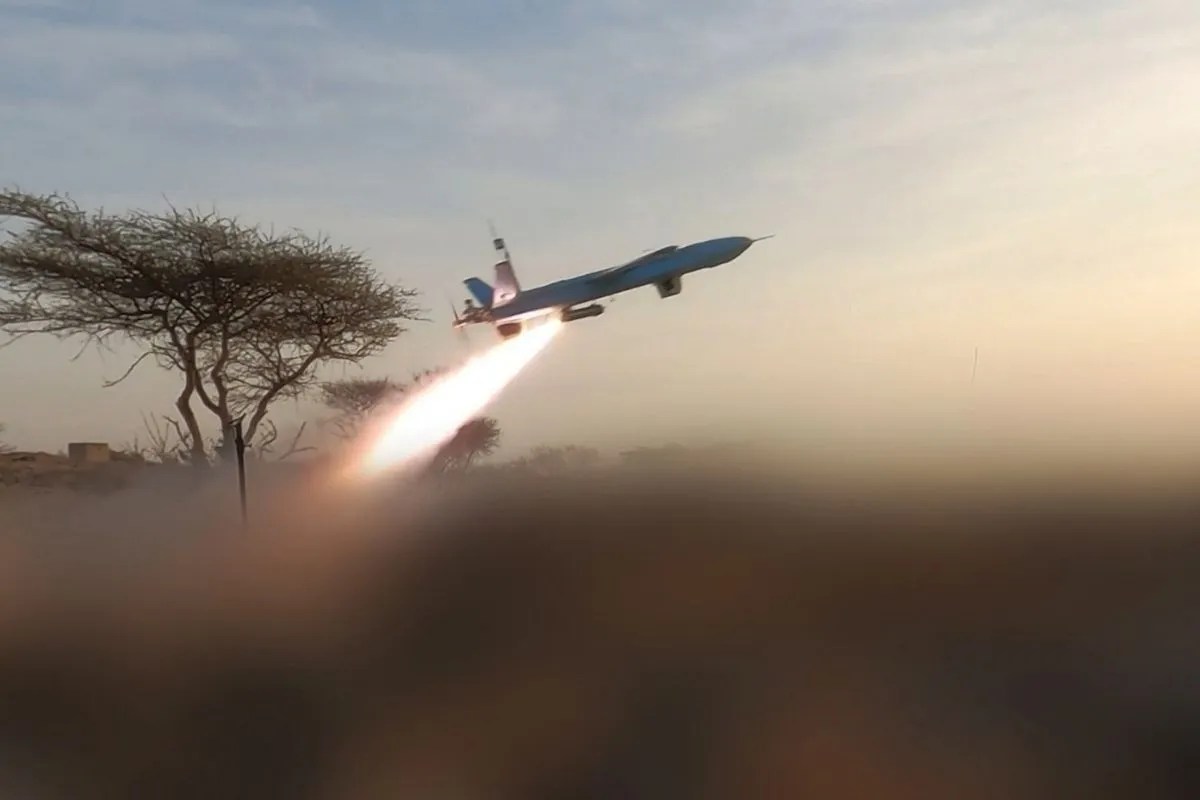
It starts with retaliation. Houthi forces launched a heavy wave of ballistic missiles and explosive drones targeting energy facilities and strategic airbases inside Saudi Arabia. We are talking about sites tied to Saudi Aramco in regions like Abha, Jizan, and Najran, alongside the King Khalid Airbase near Khamis Mushait.
These aren't minor border skirmishes. The strikes injured dozens of civilians—including women and children—and forced temporary shutdowns at vital energy installations due to fires.
The response from the Saudi-led coalition was swift and heavy. Warplanes hit the oil-rich province of Marib, specifically focusing on the Al-Jubah district. According to reports from Houthi-controlled Al-Masirah TV, multiple airstrikes pounded the area to push back against the drone barrages.
Why Marib Matters So Much
You can't understand the Yemen conflict without looking at Marib. It's the ultimate geopolitical prize. Marib holds massive oil and gas reserves that fuel the region's economy and power infrastructure. Whoever controls Marib holds immense leverage over the rest of the country.
For years, this province has served as a fierce battleground where government forces backed by the coalition clash directly with Houthi fighters. When the front lines in Marib shift, the entire balance of power in Yemen shifts with them.
Beyond Marib, the ground war is heating up on multiple fronts. Government forces recently claimed control over the Al-Yatmah area in the northern Al-Jawf province, while fighting continues near the strategic Bab-el-Mandeb strait—a crucial maritime lane for global trade and oil transit.
A War That Won't Die Down
We tend to forget that this conflict has been dragging on since late 2014, when Houthi rebels seized control of the capital, Sana'a. When the Saudi-led military intervention kicked off in 2015, the goal was a quick restoration of the internationally recognized government.
Instead, it turned into a grinding, multi-layered quagmire. Ceasefires come and go, diplomatic talks stall out, and whenever regional tensions flare up with Iran or other actors, the proxy lines in Yemen light up immediately.
The human cost is staggering, but the strategic implications reach far beyond Yemen's borders. Global energy markets react instantly whenever infrastructure gets hit. Insurance rates for shipping through the Red Sea spike.
Don't expect a neat resolution anytime soon. As long as regional powers back opposing sides and local factions view total victory as their only acceptable outcome, cycles of retaliation will keep repeating. Keep an eye on Marib, because whatever happens next in those desert mountains will dictate the rhythm of Middle Eastern security for months to come.