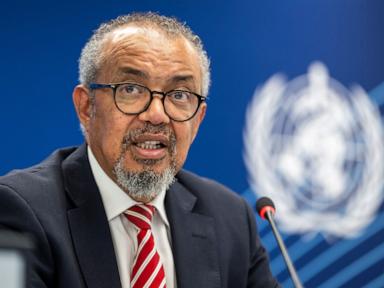
When a newborn baby and young children become casualties at a displacement camp, the conflict has crossed an unforgivable line. World Health Organization Director-General Tedros Adhanom Ghebreyesus didn't mince words after recent strikes shook northern Ethiopia. He called the ongoing violence deeply disturbing, but the reality on the ground goes far beyond troubling. It points to a total humanitarian catastrophe that the international community is struggling to contain.
The health system in northern Ethiopia is hanging by a thread. Hospitals lack basic medical equipment, drugs, and enough staff to treat the wounded. When drone strikes and gunbattles target displacement sites like the Ja'ari 2 camp in Amhara or food distribution queues in Rama, Tigray, the civilian cost multiplies exponentially. People aren't just dying from direct combat. They are dying because ambulances can't move, clinics are gutted, and life-saving medical supplies are blocked by insecurity.
The Anatomy of a Breaking Health Infrastructure
Years of continuous friction have worn down what little infrastructure survived the federal conflicts. You cannot run a functional hospital when the power grid is unreliable, fuel for generators is scarce, and medical personnel have fled or haven't been paid in months.
Ambulance services face severe restrictions. If a pregnant woman experiences complications or a child suffers shrapnel wounds miles from a major town, transport simply doesn't exist. Supplies meant to treat chronic illnesses, maternity emergencies, and malnutrition sit stranded in warehouses because safe transit corridors remain closed.
This crisis isn't happening in a vacuum. The breakdown of the November 2022 peace agreement unspooled a fragile stability, dragging the region back into a cycle of fractured warfare. In Amhara, prolonged clashes involving federal forces and Fano militias have normalized the use of heavy weaponry and drone strikes in populated zones. Meanwhile, reports of targeted violence stretch into other regions, compounding the chaos.
Why Humanitarian Access Remains Stalled
United Nations agencies and international partners keep trying to push convoys through, but logistics under fire are nearly impossible. Bureaucratic hurdles match physical dangers. Local checkpoints, shifting frontlines, and active hostilities mean that aid workers risk their lives every time they try to move medicine or nutritional supplements.
When food distribution points become targets—as seen in recent incidents—civilians are forced into an impossible corner. Do they stay put and starve, or risk heading out into active conflict zones to find basic sustenance?
The Path Forward
Condemnations from Geneva matter, but they won't patch up blown-out hospital roofs or restock empty pharmacy shelves. Protecting healthcare workers isn't optional under international law, yet clinics continue to bear the brunt of the fighting.
Real change requires immediate, unhindered humanitarian corridors and a genuine commitment from all armed factions to pull back from civilian centers. Without a hard pivot toward dialogue, the entire medical network across northern Ethiopia faces total disintegration. The cost of inaction is measured in thousands of preventable deaths. Stop ignoring the warning signs. Peace remains the only viable medicine left.