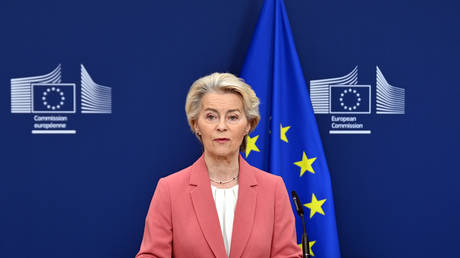
Sports federations are scrambling again, and honestly, it's about time Brussels stopped treating athletic bans as a side note. On November 23, 2026, European Commission President Ursula von der Leyen rolled out a proposed 22nd sanctions package targeting Russia over its ongoing war in Ukraine, putting EU sanctions on Russian athletes and entry restrictions for former Russian combatants front and center.
Nothing takes effect overnight. All 27 EU member states still have to agree on the package, and unanimity in Brussels is notoriously hard to win. Still, the move signals a sharper shift from reactive headlines toward tighter legal rules on visas, sports sponsorship money, and border security.
If you've watched the back-and-forth between international sports bodies and European governments over the past year, you already know how messy this gets. Governing bodies ease rules or face legal appeals, national federations threaten boycotts, and governments try to close gaps through immigration and financial rules rather than waiting on sports committees alone.
What the Proposed 22nd Package Actually Targets
When people hear about new restrictions on sports, they usually picture a simple rule banning athletes from crossing the border. Reality in EU policymaking is much more layered than that.
According to reporting from The Brussels Times, Reuters, and UNITED24 Media, the Commission's proposal connects sports and security to wider economic pressure. Rather than relying on a single sweeping line, Brussels is pushing on several fronts at once:
- National colors and teams in the EU: Proposals to bar Russian teams and athletes competing under Russian flags, anthems, or national symbols at sporting events within the bloc, alongside discouraging Schengen visas where those symbols appear.
- Sponsorship cash and federation boards: Plans to restrict financial flows from Russian sponsors into European sports and cultural groups, plus limits on Russians holding roles on governing bodies of European-based sports federations.
- Visa bans on war veterans: Revived restrictions aimed at stopping former Russian soldiers who fought in Ukraine from entering EU territory, citing European security risks.
- Finance, crypto, and energy: Measures targeting additional banks, crypto-asset platforms, shadow fleet vessels, electricity-linked services, and European repair support for Russian infrastructure such as refineries, plus barring Europeans from serving on governing bodies of Russian companies.
Notice how sports and veteran travel sit inside a broader package. Brussels isn't just arguing about medals and ceremonies. It's tying public image, money flows, and border vetting together into one bargaining table.
Why Sports Bans Keep Colliding With Legal and Political Reality
Here is the part that trips up a lot of casual observers. A government can say it wants Russian teams out of Europe, yet still run into walls when trying to enforce that across 27 countries and independent sports federations.
As Radio Free Europe/Radio Liberty has detailed, earlier EU sanctions frameworks often required showing that an individual's actions undermined Ukraine's territorial integrity or fueled hybrid threats against the bloc. Proving that case-by-case for every athlete or official creates legal headaches and uneven enforcement. That's why turning the focus toward national symbols, visa rules, and sponsor funding matters—it shifts the pressure point from individual courtroom arguments to collective rules and money.
Meanwhile, national sports leaders aren't sitting quietly waiting for diplomats to finish talking. Six European countries have threatened to boycott next year's ice hockey world championship in Germany if Russia competes, after German ice hockey federation chief Frank Lutz publicly rejected the return of Russian national teams to international tournaments. In Czechia, officials moved to bar Russian athletes from the January U18 Women's Hockey World Championship, while discussions in Finland even touched on whether a host city might cancel the 2028 World Junior Hockey Championship if Russian teams return.
That tension shows why sports is such a flashpoint. When international federations or appeals tilt back toward inclusion, national organizers and host governments face a nasty dilemma: host games that spark boycotts and protests, or push for rules that keep sensitive matchups off European ice and fields altogether.
The Veteran Visa Debate Is Much Trickier Than It Looks
Banning former combatants sounds straightforward on paper until border officers and legal teams actually look at how to apply it.
Veterans of a large-scale conflict aren't all the same. Some were career military personnel or volunteers tied to state formations; others were conscripts or people whose service records are murky, incomplete, or contested. Earlier discussions around barring former Russian fighters ran into hesitation among some member states—including reported pushback from France and Italy during prior negotiations—because turning political intent into airtight legal criteria and reliable border checks takes real administrative lift.
From a security standpoint, European officials have voiced concern about individuals returning from combat zones with military training, trauma, or ties to state networks. From a legal standpoint, sanctions have to survive scrutiny in European courts. Any measure that is too vague invites challenges, while a rule that is too narrow leaves obvious loopholes.
Sponsorship Money and Governance Are the Quiet Levers
If you ask me, the sponsor and governance rules deserve way more attention than they usually get. Flags and anthems get the camera time, sure. Money and board seats shape who holds influence behind closed doors.
When Russian sponsors fund European clubs, events, or cultural bodies, or when officials tied to Russian institutions sit on European sports boards, the connection goes beyond a single match. It touches budgets, broadcast visibility, and decision-making power. Cutting off those channels—especially right after the Commission moved to block organizations facilitating Russian propaganda from participating in Erasmus+—targets the ecosystem around sports rather than treating each tournament as an isolated event.
At the same time, we have to be honest about limits. European rules only bind entities within EU jurisdiction or transactions touching EU territory and systems. Global sports federations operate worldwide, and enforcement always depends on how rigorously individual member states police visas, corporate ties, and financial flows.
Unanimity Remains the Biggest Hurdle in Brussels
No matter how ambitious a proposal looks on launch day, nothing becomes EU law unless all 27 member states sign off. That rule has shaped every sanctions package since 2022.
Because every capital has its own domestic politics, economic ties, and legal sensitivities, negotiations often turn into a game of trade-offs. One country might push hard on energy or shadow fleet vessels, another might worry about border enforcement or specific exemptions, and items can get watered down, delayed, or dropped to get a deal across the line. Even when proposals pass, enforcement is where the real test begins—something EU leaders themselves have repeatedly emphasized when talking about closing loopholes rather than just adding names or rules on paper.
Practical Next Steps If You Follow or Work Around This Issue
If you're tracking this story for policy work, sports administration, journalism, or travel planning, don't rely on headlines about "new sanctions" as if the rules changed this afternoon. Take a few practical steps instead:
- Track Council negotiations, not just Commission proposals: Watch how EU member states revise the 22nd package text and which provisions survive unanimity talks.
- Separate federation rulings from EU law: An international sport governing body's eligibility decision and an EU visa or symbol restriction are two different tracks that can collide at national borders or host cities.
- Check event-specific host rules early: If you're involved in event planning, broadcasting, or travel around European championships, verify national government stances and visa guidance well ahead of time, since host countries and federations have already clashed over participation.
- Watch the money trail: Pay close attention to final rules on sponsorships, federation governance, and compliance loopholes—those mechanics often carry more long-term weight than symbolic announcements.