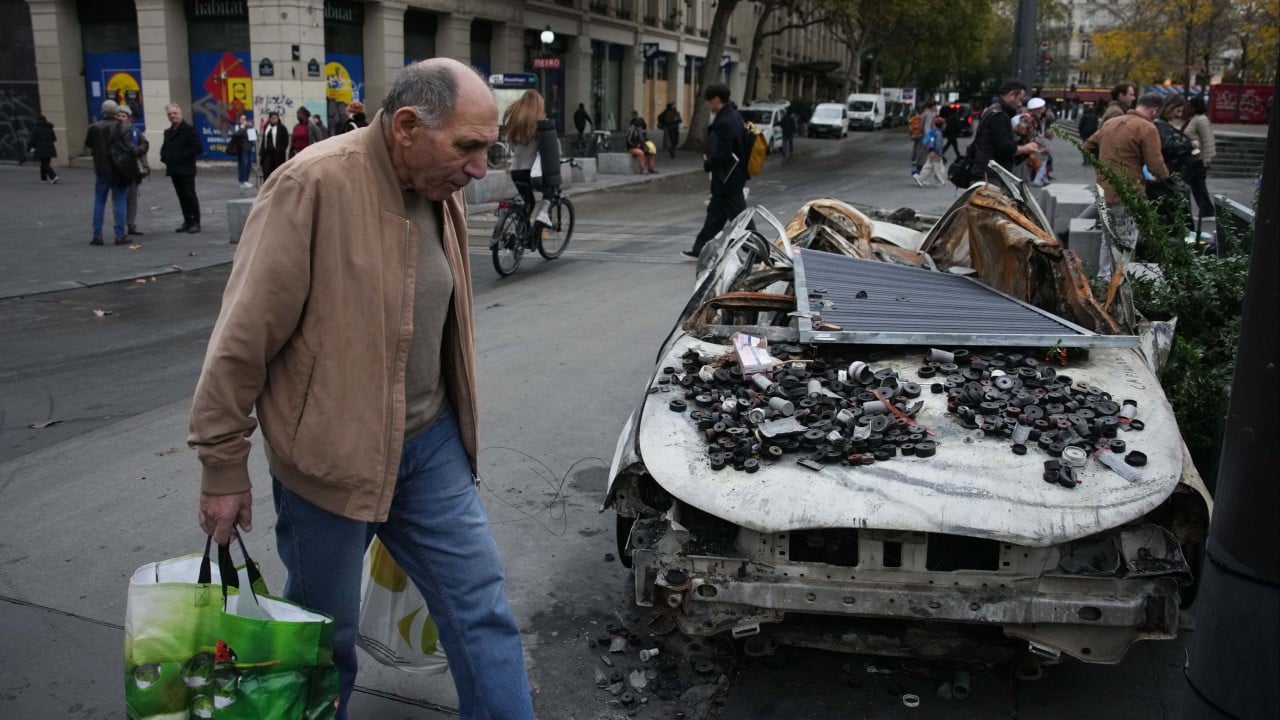
Street anger across European capitals isn't just about local budgets anymore. When people march against skyrocketing grocery bills and broken housing markets in Paris, Brussels, and Madrid, policymakers feel the heat instantly. Governments are scrambling for scapegoats, and Beijing's export machine is sitting right in the crosshairs.
If you think domestic unrest stays local, you haven't watched how European leaders react when their approval ratings plummet. Let's look at why widespread cost-of-living protests could severely worsen EU-China trade relations.
The Domestic Pressure Cooker
European citizens are paying massive prices for basic goods. A salary that felt safe a few years ago barely covers rent and energy now. Citizens are taking to the streets because politicians look completely disconnected from everyday struggles.
When public anger boils over, leaders need quick wins. Fixing complex structural inflation takes years of difficult fiscal reforms. Slapping tariffs on foreign competitors takes a signature. That temptation is hard to resist when protesters demand immediate action.
Turning Outward to Hide Internal Weakness
Brussels faces a tough choice. Trade experts like David Henig note that while domestic protests make the European Union look internally fractured, bruised governments often overcompensate by projecting external strength.
Hitting Chinese imports with aggressive trade measures gives politicians a convenient narrative. They can point to cheap manufactured goods or electric vehicles and claim they're protecting local jobs. It shifts the blame outward, even if it doesn't solve the core inflation crisis at home.
The Import Dilemma
Here is the economic trap. Europe relies heavily on affordable imported goods to keep inflation from climbing even higher. If the EU buckles to protest pressure and slaps heavy protective tariffs on Chinese green tech or consumer goods, prices on everyday essentials could spike further.
You cannot solve a cost-of-living crisis by artificially restricting the supply of cheap goods. Yet, political survival often overrides economic logic. Protectionist instincts win elections, even when they hurt consumers in the long run.
What Comes Next for Global Trade
Beijing isn't likely to sit back and absorb new European trade barriers without retaliating. If Brussels escalates trade defenses to appease restless domestic voters, expect targeted counter-measures against European agriculture, luxury goods, or industrial machinery.
The friction between Brussels and Beijing is moving past standard diplomatic disagreements. Domestic economic pain is now driving foreign trade policy. Watch European trade rhetoric closely over the coming months because domestic protests are writing the new rules of engagement.