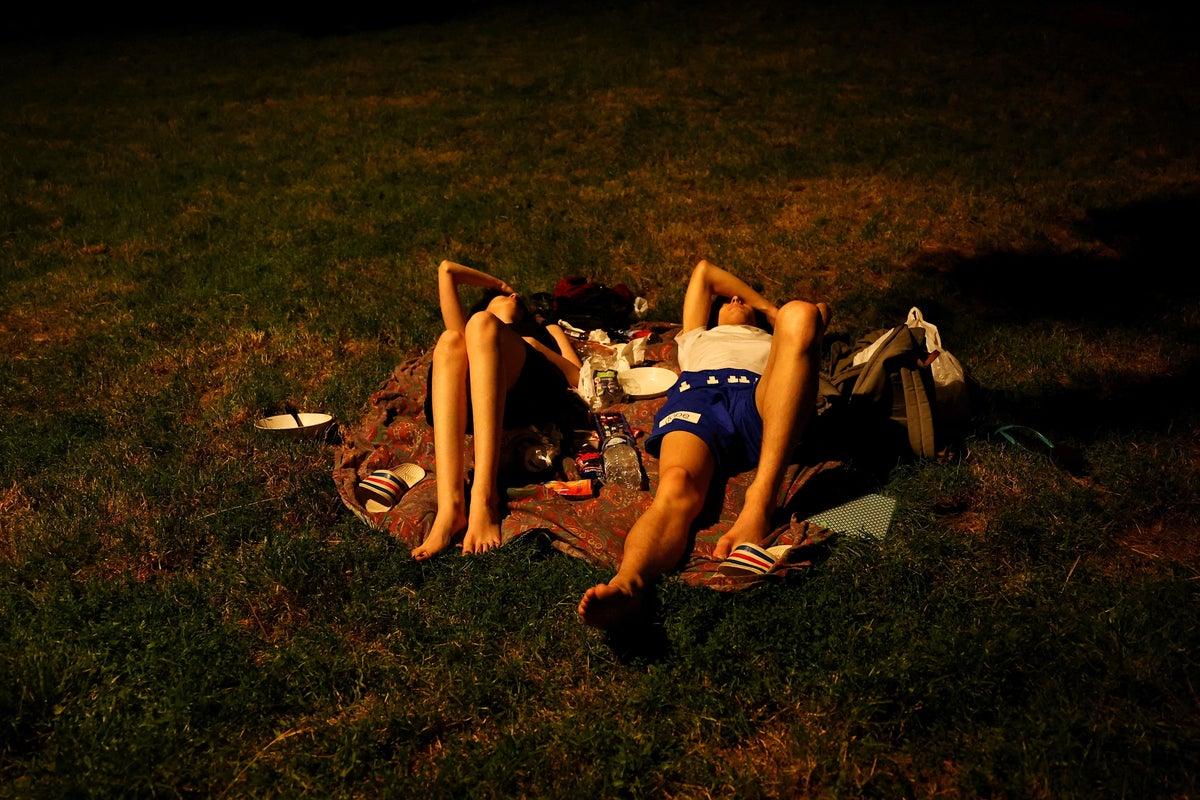
Summer across Western Europe used to mean mild afternoons, open windows, and packed park benches. Not anymore. Right now, a brutal weather system is marching across the continent, shattering records and rewriting what summer looks like for millions of people. It’s not just uncomfortable. It’s lethal.
If you've been watching the news, you know the headlines focus heavily on the numbers. But the real story is how quickly our existing infrastructure and daily habits are failing under the pressure of 40°C days. The heatwave that sat over France and Spain earlier this week is moving east across the Rhine River, putting Germany, Central Europe, and the Balkans directly in the crosshairs.
Here is what's actually happening on the ground, why our buildings make it worse, and what you need to do to navigate this shift.
The Atmospheric Trap Behind the Scorching Temperatures
You can't blame this on a typical warm spell. Meteorologists point to a highly stable, slow-moving weather system known as an Omega block.
Imagine the Greek letter $\Omega$. The shape creates a giant atmospheric wall, trapping a massive, bulging pocket of hot air directly over the continent while pushing cooler air and storm systems away to the fringes. Because it moves at a literal crawl, there's zero breeze to offer respite. It acts like a thermal dome, drawing intense, searing air straight up from North Africa and the Sahara Desert.
According to data compiled by the Reuters Climate Monitor, this system has pushed local temperatures up to 18°C above seasonal averages. Scientists analyzing the event noted that these punishing nighttime temperatures, which prevent human bodies from cooling down and recovering, have been made 100 times more likely due to long-term climate shifts.
The Human Toll Outside and Inside
The numbers coming out of the Mediterranean and Western Europe paint a sobering picture. Spain’s Carlos III Health Institute, through its MoMo mortality surveillance system, linked over 210 fatalities to the extreme temperatures over just a four-day window as the system peaked.
In France, the crisis took an entirely different and tragic turn. While several heat-related deaths occurred at home among the elderly and vulnerable, the largest spike in fatalities came from drowning. As residents rushed to rivers, lakes, and unpatrolled coastal waters to escape the suffocating air, at least 43 people drowned in less than a week. French Prime Minister Sébastien Lecornu confirmed that many of the drowning victims were young people seeking immediate relief.
Tragedy also struck in the southeastern town of Carpentras, where a manslaughter inquiry was opened after two young siblings died from being trapped inside a vehicle exposed to direct sunlight.
Now, the core of that system is crossing into Germany. On Friday, preliminary data from the public broadcaster ARD showed that temperatures broke the 41°C mark near Saarbrücken on the French border. Karsten Brandt, a leading meteorologist at Donnerwetter.de, warned that the weekend peak will push temperatures well over 40°C across multiple German states.
Why European Cities Aren't Built for This
If you live in North America or Asia, you might wonder why 40°C paralyzes European cities. The answer lies in the bricks and mortar.
For centuries, housing stock in Northern and Central Europe was engineered for a single purpose: keeping heat inside during long, freezing winters. Thick masonry, heavy insulation, and a historical lack of residential air conditioning mean that once a modern European apartment absorbs heat all day, it transforms into an oven at night. Air conditioning sales are booming, but grids aren't ready for the sudden surge in electrical demand.
The transportation network is buckling under the literal weight of the heat too. National rail operator Deutsche Bahn had to offer free cancellations for long-distance travel bookings as the mercury soared.
Why? Extreme sun exposure puts severe thermal strain on the physical infrastructure. Steel rails can buckle, overhead electric wires sag, and the concurrent risk of sudden, severe thunderstorms and wildfires threatens signaling systems. Even major sporting events are rewriting their playbooks; organizers of the Ironman European Championship in Frankfurt had to shorten both the cycling and running courses to protect athletes from heat stroke.
How to Protect Yourself as the Heat Shifts East
As the Omega block shifts toward Central Europe and the Balkans over the coming days, relying on old habits won't cut it. Vague advice like "stay hydrated" isn't enough when you're dealing with 41°C peaks.
- Hack your indoor environment early: Close your windows, shutters, and curtains the moment the outdoor temperature matches your indoor temperature in the morning. Do not open them again until the outside air drops below your indoor temperature in the evening.
- Rethink your cooling spots: If your home doesn't have air conditioning and starts trapping heat, don't wait until you feel dizzy to leave. Spend the hottest hours of the afternoon (typically 2:00 PM to 6:00 PM) in public libraries, modern shopping centers, or designated community cooling centers.
- Avoid unregulated water sources: If you're desperate to cool down, only swim in designated areas with active lifeguard supervision. Cold water shock is real, and strong currents in unfamiliar rivers can quickly overpower even strong swimmers.
- Track your local alerts: Watch for official regional warnings. When a department or state enters a red alert status, outdoor public events are routinely canceled, and local health resources are stretched to their limits.
The reality is clear. These intense thermal systems are moving faster than our infrastructure can adapt. Taking personal precautions and understanding the mechanics of these systems is the only way to stay safe.