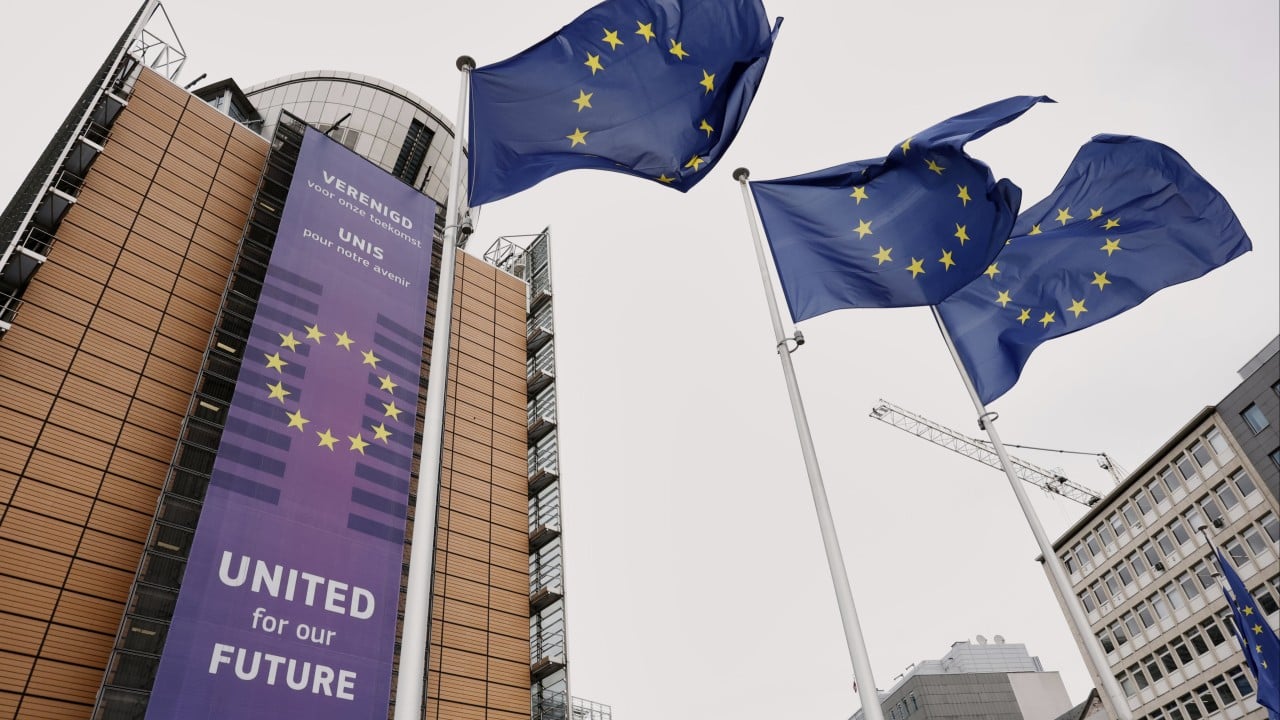
If you want to understand why Brussels is quietly panicking about its standing in the Indo-Pacific, look no further than the balance sheets. The European Union launched its flagship Global Gateway strategy with grand promises to mobilize 300 billion euros for sustainable infrastructure worldwide, positioning it as a transparent, high-standard alternative to Beijing's Belt and Road Initiative. But in Southeast Asia, that ambitious push has slammed straight into a brutal funding wall.
Net contributors within the bloc are tightening budgets, overseas aid allocations are taking deep cuts, and ASEAN capitals are noticing the shortfall. Meanwhile, China keeps expanding its regional footprint with unmatched speed and capital availability.
The core issue isn't just about total euros or dollars on paper. It is about how money moves, who controls the purse strings, and what developing nations actually need when they want to build ports, railways, and clean-energy grids.
The Structural Flaw of Brussels-Style Diplomacy
The European approach relies heavily on a complex mix of public grants, private-sector mobilization, and strict regulatory compliance. Brussels wants to export its green standards, labor rules, and governance models alongside every bridge or power station it helps finance. On paper, that sounds noble. In practice, it creates a bureaucratic nightmare for Southeast Asian governments that need concrete projects moving yesterday.
When an ASEAN nation wants to upgrade a transit corridor or build a solar farm, local leaders face endless compliance hoops. Bureaucrats in Brussels demand exhaustive environmental impact assessments, lengthy multi-stakeholder consultations, and strict adherence to European norms.
China plays a completely different game. Beijing offers speed, state-backed financial muscle, and minimal domestic interference in local political affairs. While European diplomats debate the technicalities of sustainable procurement, Chinese state enterprises pour concrete.
Where the Money Goes to Die
The funding crunch hitting European initiatives in Southeast Asia stems directly from internal fiscal pressures back home. Major European economies are grappling with sluggish growth, mounting domestic debt, and shifting political priorities that favor defense and domestic security over foreign aid.
As net-paying member states slash their foreign assistance budgets, flagship programs under the Global Gateway lose their financial backing. Projects designed to support clean-energy transitions in Indonesia, Vietnam, and the Philippines are left scrambling for capital.
This creates a vicious cycle. Without guaranteed public seed money, private European banks and corporations refuse to take on the high risks associated with emerging markets in Southeast Asia. They stay home, keeping their capital safe inside the single market.
Beijing Widens the Lead Without Breaking a Sweat
While European funding stalls, Beijing's regional strategy remains remarkably cohesive. China's state-directed financial institutions can deploy massive capital instantly. They don't need to negotiate compromises among twenty-seven different member states with competing foreign policy interests.
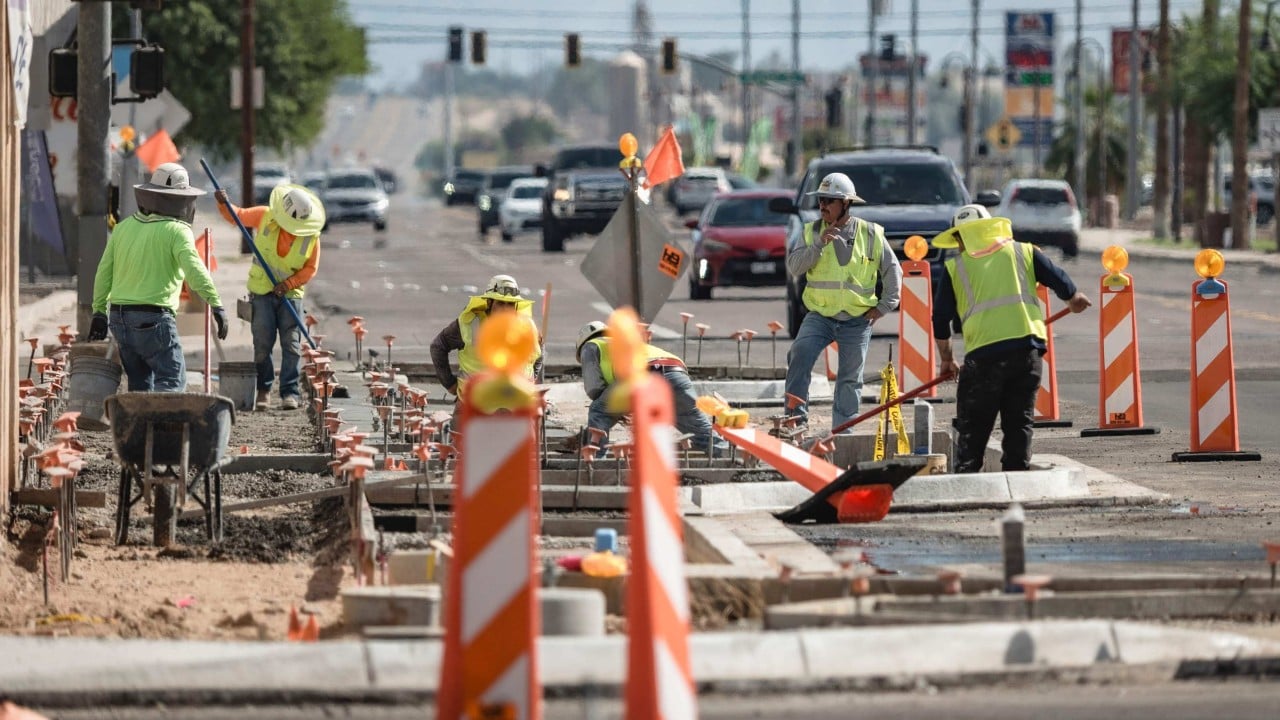
ASEAN economies care deeply about green energy and sustainable development, but they care even more about immediate economic survival, job creation, and physical connectivity. China delivers tangible assets—high-speed rail networks, deep-water ports, and industrial parks—that integrate regional supply chains directly into the Chinese manufacturing ecosystem.
When local leaders compare the slow, conditional trickle of European funds with the rapid deployment of Chinese infrastructure, the choice becomes practical rather than ideological.
What This Means for Global Influence
Geopolitics is rarely decided by polite diplomatic communiqués. It is shaped by who builds the physical pathways of global trade. By failing to back its geopolitical rhetoric with reliable, fast-moving capital, Europe risks becoming a minor economic player in the world's most dynamic growth region.
If Brussels wants to prevent Southeast Asia from drifting entirely into Beijing's economic orbit, it has to overhaul its financial architecture. That means streamlining approvals, accepting local political realities, and putting serious skin in the game instead of relying on the hope that developing nations will choose red tape over finished roads.
Until European leaders bridge the gap between their grand ambitions and their actual spending power, the funding crunch will only worsen. And the gap with China will keep growing wider.