We usually associate massive, out-of-control wildfires with Southern Europe, California, or the Australian outback. Western Europe is supposed to be immune to that kind of total devastation. But Belgium just shattered that illusion in the worst way possible.
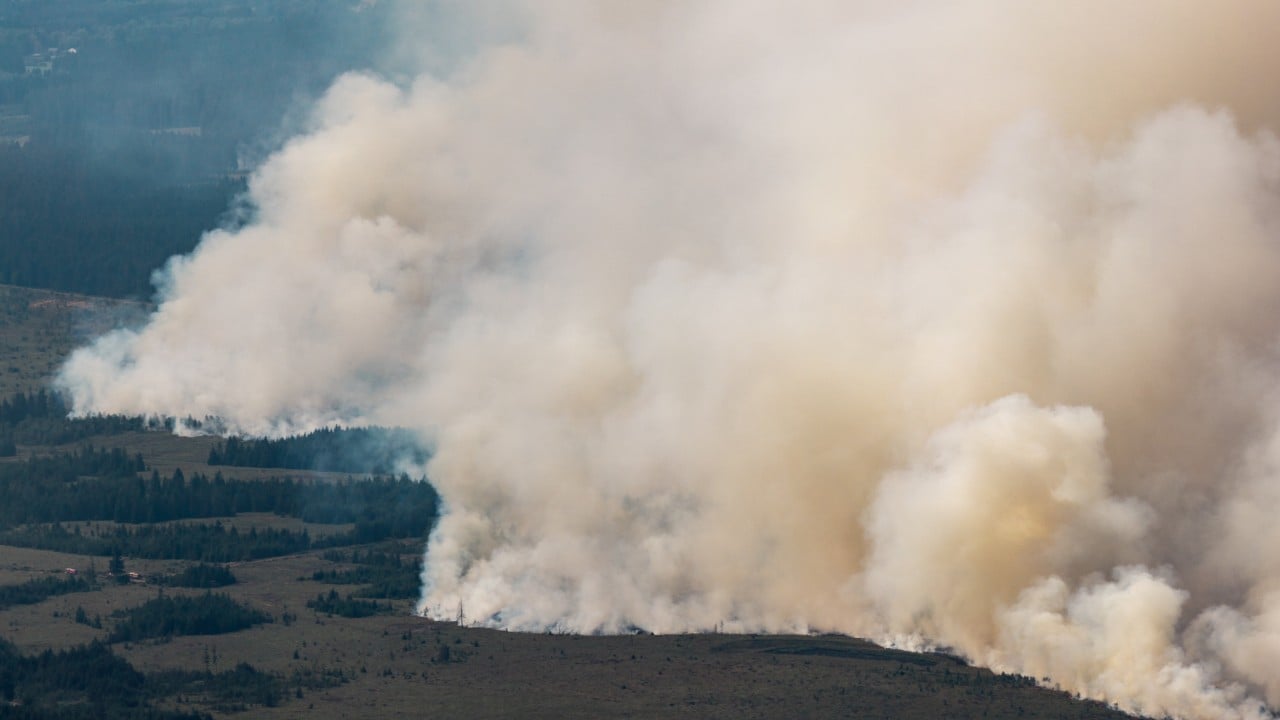
The country is currently battling the largest wildfire in its recorded history. Centered in the fragile High Fens (Hautes Fagnes) nature reserve near the German border, the blaze has already swallowed roughly 2,700 hectares. To put that into perspective, it has easily surpassed the previous grim record set back in 2011, leaving local authorities scrambling and forcing the European Union to step in with emergency air support.
If you think this is just an isolated local emergency, you're missing the bigger picture of how climate stress is reshaping traditional European geography.
How a Quiet Nature Reserve Turned Into a Tinderbox
The fire broke out on a Friday afternoon right in the middle of Belgium's fifth punishing heatwave of the summer. Temperatures across parts of the country spiked to a blistering 37 degrees Celsius.
The High Fens are defined by a unique landscape of peatlands and dense pine forests. Normally, peat acts like a massive sponge, holding moisture in the soil. But weeks of intense heat and dry conditions transformed that sponge into dry tinder. Once the flames caught hold, they didn't just burn the surface trees. They dug deep into the peat layers, creating a stubborn, smoldering underground fire that is notoriously difficult to extinguish.
Local firefighters immediately realized they were outgunned. The rugged, marshy terrain of the reserve made it nearly impossible for heavy ground vehicles to reach the front lines. Smoke choked out visibility, erratic winds pushed the fire in unpredictable directions, and emergency services had to make the tough call to let certain inaccessible sections burn while they focused on protecting human settlements.
When Local Resources Run Dry
When a European nation faces a disaster it can't handle alone, the safety net kicks in via the EU Civil Protection Mechanism. Belgium activated this emergency protocol as the flames continued to march across the landscape.
EU Crisis Commissioner Hadja Lahbib confirmed the swift deployment of international reinforcements. Water-bombing aircraft and specialized helicopters were scrambled from the Czech Republic, Sweden, and the Netherlands to drop payload after payload onto the thick smoke.
On the ground, it's been an all-hands-on-court effort. Fire departments from across Belgium were joined by cross-border crews rushing in from neighboring Germany and Luxembourg. Even local farmers joined the fight, using their own equipment and water tanks to wet down perimeter zones alongside units from the Belgian military.
Despite these combined efforts, the human toll has been immediate. Around 600 residents living near municipalities like Waimes and Sourbrodt were ordered to pack up and evacuate. Children at a regional summer camp had to be pulled out quickly, and tourists wandering the nature reserve were told to get out immediately. Emergency shelters opened up in local gymnasiums as thick plumes of smoke drifted across regional borders.
What This Means for the Future of European Infrastructure
This isn't just a weather story. It's an infrastructure wake-up call. Northern and Western European countries spent decades building emergency plans around floods, heavy rains, and winter storms. Wildfire defense was something Mediterranean countries worried about.
That mindset is now obsolete. As summer heatwaves become longer, sharper, and more frequent, countries like Belgium, Germany, and the Netherlands are discovering that their ecosystems are completely unprepared for high-intensity fire seasons. Peatlands that used to retain water year-round are drying out by mid-July. Pine plantations planted decades ago are burning with terrifying speed.
Governments are going to have to fundamentally rethink emergency response budgets. Relying on ad-hoc EU assistance works when a single country catches fire, but what happens when three or four Northern European nations face concurrent mega-fires during the same heatwave week? The shared fleet of water bombers will stretch too thin.
If you live anywhere near forested regions or dry nature reserves in Western Europe, the rules of summer have changed. Local municipalities are updating evacuation protocols, and homeowners are learning the hard way about clearing defensible space around their properties. The High Fens disaster proves that no region is safe from the shifting climate reality.