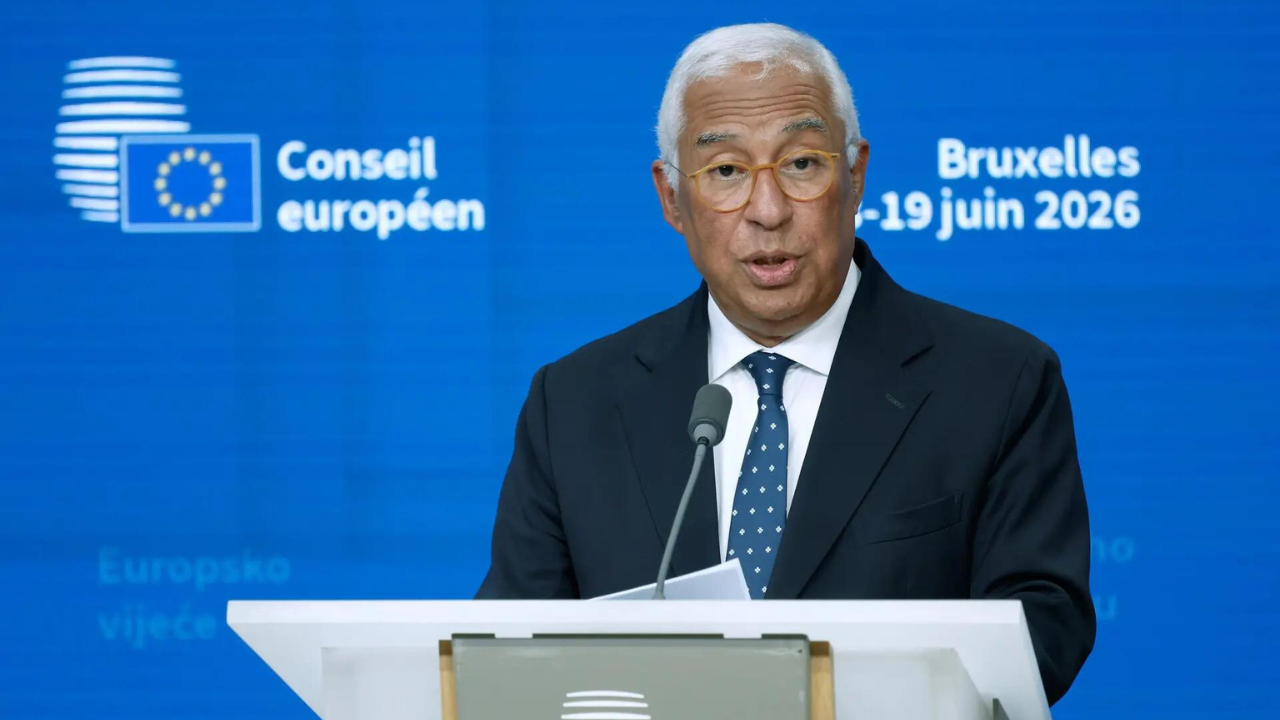
European Council President Antonio Costa just confirmed what many backroom diplomats have whispered for weeks. The European Union has quietly initiated direct, low-level diplomatic contact with the Kremlin. This is happening while Russian missiles are still striking Ukrainian cities and Kyiv is launching massive drone attacks against Moscow oil refineries.
It sounds like a betrayal to some. To others, it's just cold, hard survival.
The real reason for this shift isn't a secret change of heart about Vladimir Putin. Europe is terrified of being completely left out of the room when the war finally ends. For more than four years, the bloc tried a strategy of absolute isolation. Now, Brussels is realizing that if you aren't at the table, you're on the menu.
The Fear of Being Sidelined by Washington and Moscow
The primary driver behind this sudden outreach is strategic panic. Russian President Vladimir Putin has made his preferences clear. He wants to negotiate the future of European security directly with Washington, completely cutting out both Kyiv and Brussels.
With shifting political dynamics in the United States, including recent high-stakes diplomatic maneuvering at the G7 summit in Evian-Les-Bains, European leaders see the writing on the wall. They know that if Washington and Moscow decide to iron out a ceasefire or a permanent border settlement, Europe will have to live with the fallout.
Costa defended the brief contacts by stating that the bloc cannot simply rely on third parties to interpret Russian intentions. European diplomats need to hear Moscow's stance directly and, more importantly, deliver European red lines straight to the Kremlin without a middleman.
This isn't about negotiating a peace treaty today. Costa explicitly noted that there are zero credible signs that Russia is ready for genuine peace talks. Instead, this is about laying the plumbing for communication before the house burns down.
A Deeply Divided European House
The decision to open this channel has broken the fragile illusion of total European unity. The closed-door debates at the recent Brussels summit revealed deep anxiety and anger among member states.
On one side, you have leaders pushing for pragmatic realism. Spanish Prime Minister Pedro Sanchez openly backed Costa, calling the channel completely understandable and necessary. Irish Prime Minister Micheál Martin agreed, defending Costa's judgment and arguing that maintaining an open line is never a mistake. These leaders argue that defending European interests down the road requires talking to your adversaries today.
On the other side, the pushback is fierce. The strongest objections come from the Nordic and Baltic states. These countries live in the direct shadow of Russian military power and view any back-channel talk as a sign of weakness. Latvian Prime Minister Andris Kulbergs summarized the skepticism bluntly, noting that diplomatic channels mean nothing if the Kremlin has no genuine interest in actual diplomacy.
Where France and Germany Stand
The traditional heavyweights of the bloc are playing a cautious, hands-off game. French President Emmanuel Macron and German Chancellor Friedrich Merz have noticeably avoided cheering for Costa's initiative.
Macron insists that Russia must first prove its willingness to negotiate seriously before any real progress can happen. He believes negotiations must start strictly between Ukraine and Russia first, before bringing in the United States and Europe. Meanwhile, Merz argues it's far too early to even decide who should represent Europe's collective voice when formal talks eventually begin.
This hesitation stems from a messy reality. Ukrainian President Volodymyr Zelenskyy has already been working closely with the E3 group—composed of France, Germany, and Britain—to sketch out core principles for future peace frameworks. Costa's independent track from the European Council presidency complicates these existing diplomatic efforts.
The Ground Reality and the Double Game
The timing of this diplomatic outreach highlights the strange double game Europe is playing. Just as these diplomatic messages were traveling to Moscow, Ukraine launched one of its most aggressive drone campaigns of the entire conflict, shutting down airports and hitting major energy infrastructure right inside the Russian capital.
At the exact same time, the EU officially opened formal membership negotiations with Ukraine. This kicks off a massive, multi-year process requiring major political and economic reforms in Kyiv, even while the fighting rages on.
So, Europe is simultaneously funding Ukraine's military defense, fast-tracking its integration into the Western political orbit, and quietly checking if the phone line to Putin still works. It looks hypocritical, but to veteran diplomats, it is standard statecraft. You prepare for a long war while setting up the architecture for an eventual settlement.
The Risk of Falling into a Kremlin Trap
Opponents of Costa's outreach, including EU foreign policy leaders like Kaja Kallas, have long warned that opening premature lines of communication plays directly into Putin's hands. The danger is twofold.
First, it signals exhaustion. Moscow tracks European political debates with extreme precision. If the Kremlin senses that Western European capitals are desperate to find an exit ramp, it has every incentive to harden its military positions and wait out the West's patience.
Second, it risks fracturing the alliance. The Baltic states and Poland feel that Western European nations are too eager to return to business as usual. If Brussels moves too fast without total consensus, the internal political damage to the EU could outlast the war itself.
Your Strategic Checklist for Following the Geopolitical Shift
Understanding this shift requires looking past the daily headlines. If you are tracking how this diplomatic pivot will impact global business, security, or policy, watch these specific indicators.
- Monitor the E3 vs European Council dynamic: Watch whether France and Germany try to shut down Costa's channel or if they quietly let him take the political heat while they maintain plausible deniability.
- Track US diplomatic coordinates: Pay close attention to communication between Washington and Moscow. If the US starts bilateral talks with Russia, Europe will immediately accelerate its own direct channels to avoid isolation.
- Watch the Baltic reaction: Look for structural policy changes or independent security alliances forming among Poland, Lithuania, Latvia, and Estonia if they feel Brussels is compromised.