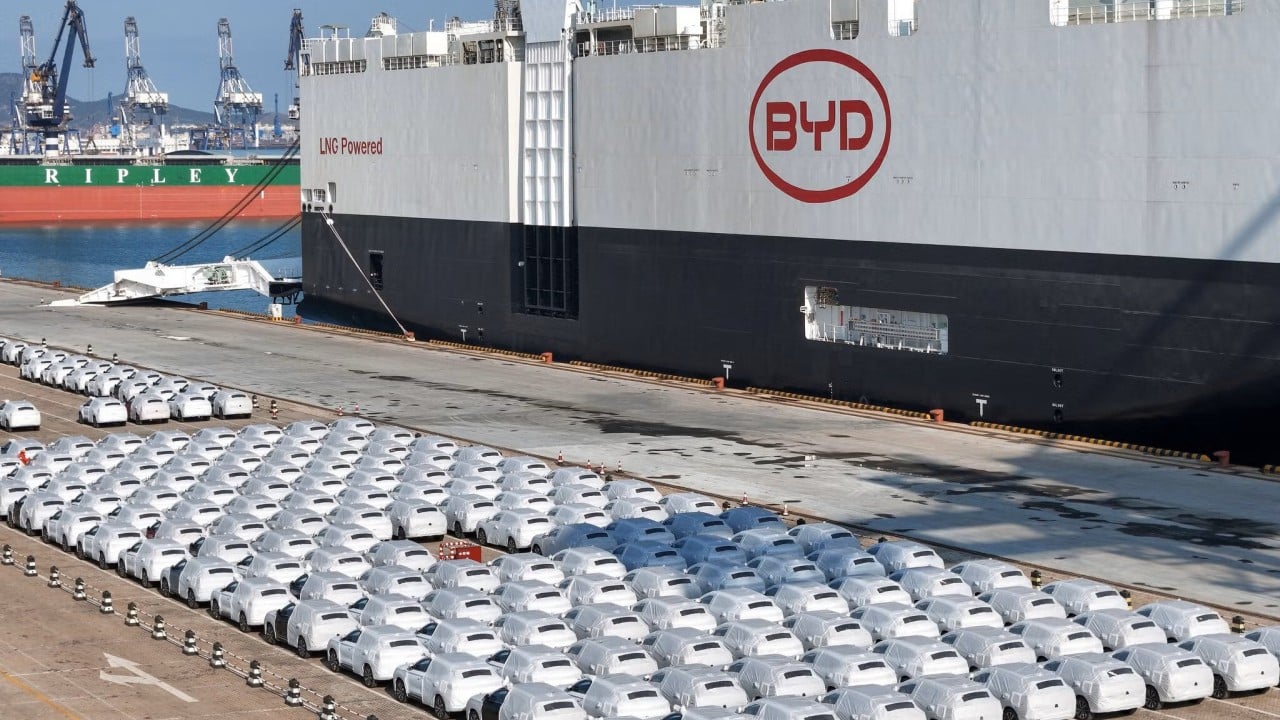
Brussels is having another collective panic attack over imports. European leaders are gathering to demand aggressive new trade defenses, driven by mounting anxiety over what policy wonks call the second China shock. With a daily trade deficit sitting well above one billion euros, traditional tariffs and slow-moving bureaucratic complaints aren't cutting it anymore.
If you run a manufacturing business in Germany or France, you already feel the pressure. Cheap industrial goods, electric vehicles, and clean tech products are flooding European ports faster than local factories can adapt. Instead of waiting for traditional WTO dispute resolutions that take years, Paris and Berlin want instant tripwires. They want legal weapons that can shut down market access or slap emergency duties on dumped products overnight.
Why Old Trade Defenses Failed
The European Union has spent decades playing by the rules of multilateral free trade. But those rules were built for a different century. When Chinese industrial overcapacity collides with sluggish European domestic demand, classic antidumping investigations move at a snail's pace. By the time a committee in Brussels finishes an eighteen-month study on steel or solar panels, local competitors have already gone bust.
Forty-four industry associations spanning metals, chemicals, and automotive components recently issued a joint warning. They pointed out a glaring truth: bureaucratic red tape is killing domestic manufacturers. Companies are bleeding market share while civil servants count paperwork. The Franco-German proposal circulating among EU capitals aims to fix this by giving the European Commission fast-track retaliatory powers. Think of it as an economic emergency brake.
The Real Cost Of Protectionism
Protectionism sounds great in a campaign speech, but it creates messy ripple effects. Look at the recent negotiations over hybrid vehicle exports and raw materials. European trade officials are trying to bully Beijing into voluntary export caps while simultaneously trying to avoid full-scale economic warfare. It's a high-stakes poker game.
If Europe cuts off cheap Chinese components completely, car factories in Central Europe will grind to a halt. Battery production costs will skyrocket. Consumers will foot the bill through higher prices on everything from household appliances to electric cars. European leaders know this. That's why they are walking a tightrope between defending domestic heavy industry and keeping inflation from roaring back to life.
What Happens Next On The Global Stage
Beijing isn't sitting back quietly. Chinese executives have already warned that aggressive EU caps will trigger a stampede of manufacturers moving their production lines entirely out of Europe, or worse, accelerating retaliatory measures against European luxury goods, agriculture, and machinery exports.
You can't decouple economies this deeply integrated without breaking things. The new trade weapons aren't actually about free markets anymore. They are about political survival and industrial policy survival.
If you're watching global markets right now, stop looking at quarterly earnings and start watching regulatory filings in Brussels and Beijing. The rules of global commerce are being rewritten in real time, and the margin for error is shrinking fast.