You can feel the tension across Europe right now. What started as localized frustration over soaring inflation and education policies in France has morphed into a continent-wide youth movement. Officials thought the worst was over after a massive mobilization earlier in October. They were wrong. As high schools across France prepare to reopen following the autumn break, authorities are bracing for another wave of unrest. Meanwhile, the energy has spilled over borders, triggering chaotic scenes in German cities like Frankfurt and Berlin.
Let's look at what is actually happening on the ground, why governments are scrambling, and what this means moving forward.
The Reality Behind the French Protests
France has a long history of taking grievances to the streets, but this current wave feels different. It is primarily driven by high school and university students dealing with the crushing weight of inflation, housing shortages, and an uncertain economic future.
Government estimates put the nationwide turnout at around 320,000 protesters. While that number is lower than the 550,000 who marched during the peak of October's worst rioting, it shows that momentum hasn't died. Organizers pushed smart strategies this time, blending peaceful marches with creative Halloween elements to keep spirits high.
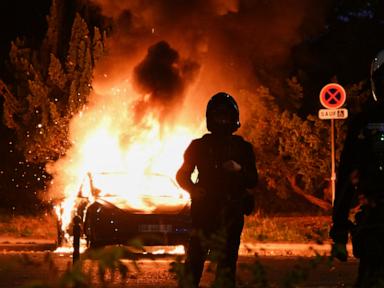
Even so, friction remains inevitable once the sun goes down. Small groups on the fringes of these marches continue to clash with law enforcement. Around 70,000 police and gendarmes were deployed nationwide to keep things from spiraling out of control. Paris authorities rerouted march paths straight to the city's edges to protect commercial zones and tourist hotspots from destruction.
How the Unrest Spread to Germany
Protests don't stay contained in the modern era. Under the banner "Gen Z Takes Care of It" (Gen Z regelt), thousands of young demonstrators took to the streets across dozens of German cities.
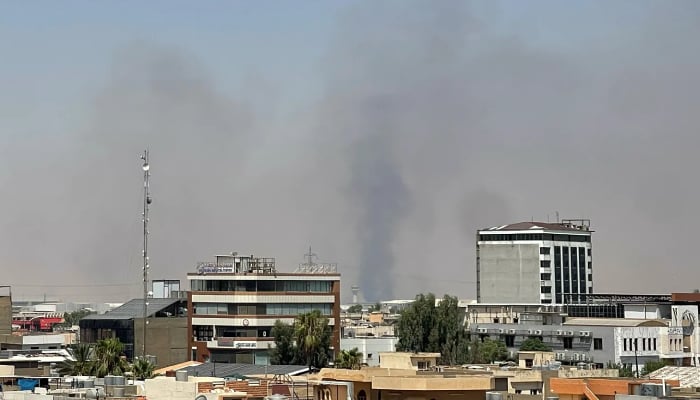
While many demonstrations started with valid grievances about education standards and living costs, things turned dark in places like Frankfurt. Rioters attacked police officers downtown, smashed storefronts, and looted local businesses. Police detained roughly 30 people after cordoning off the city center.
Politicians aren't holding back their anger. Boris Rhein, the governor of Hesse, condemned the violence outright. German Interior Minister Alexander Dobrindt pointed fingers directly at extremist groups and outside troublemakers for hijacking what was supposed to be a legitimate expression of youth frustration.
The Core Grievance: A Generation Priced Out
If you want to understand why teenagers and twenty-somethings are risking arrests and tear gas, look at your bank account statement and multiply the stress by ten. Rent is through the roof. Groceries cost a fortune. Entry-level wages aren't keeping pace with basic survival needs.
This economic pressure cooker isn't isolated to France and Germany. In Portugal, demonstrators have spent weeks occupying public spaces and demanding affordable housing, drawing direct inspiration from similar movements in Spain. Across Western Europe, a younger generation feels locked out of stability. They cannot afford apartments, they distrust traditional political channels, and they are tired of vague promises from leaders.
What Happens Next
Governments face a nasty dilemma. Crack down too hard with riot police, and you validate accusations of authoritarianism while pouring fuel on the fire. Sit back and do nothing, and downtown districts turn into zones of smashed glass and burning vehicles.
French high schools reopen on Monday, and everyone knows student unions are planning fresh walkouts. If you are traveling through major European transit hubs or capital cities this week, expect sudden transit disruptions, heavy police visibility, and spontaneous gatherings. Keep an eye on local transit apps and avoid major demonstration zones after dark. The underlying anger isn't going away anytime soon, and neither are the streets.