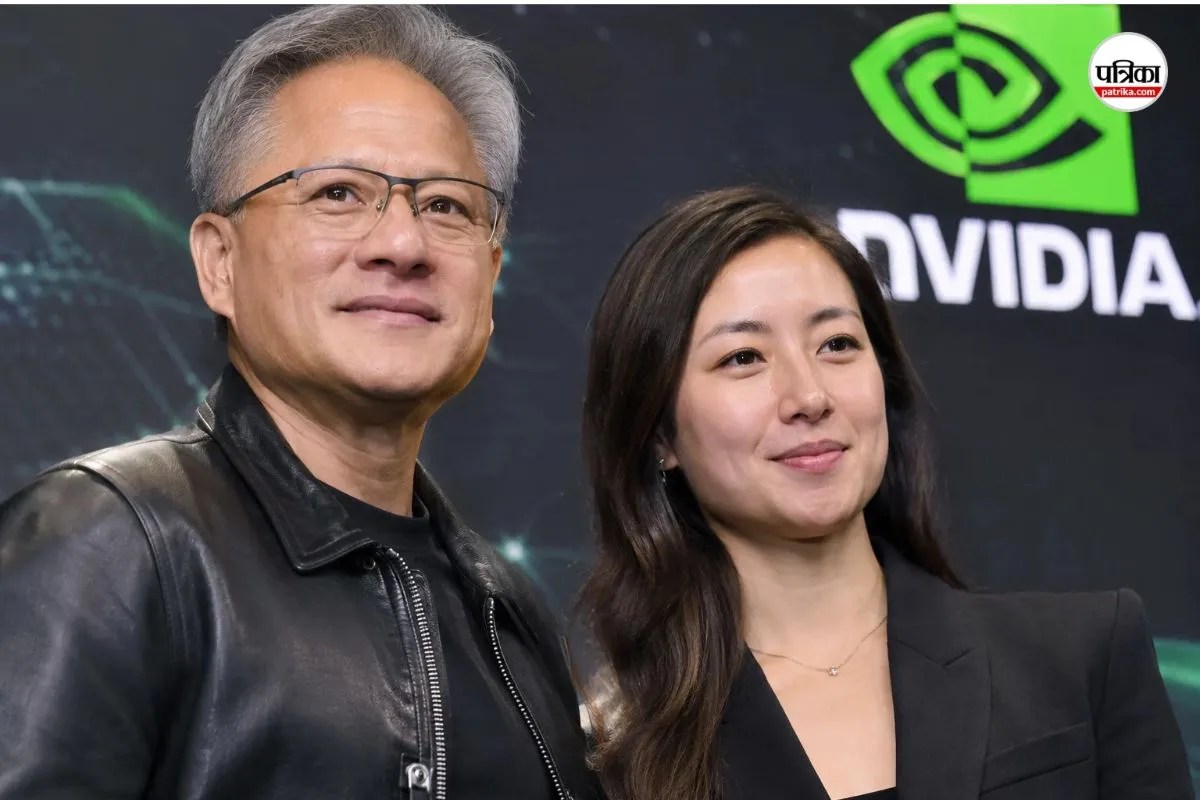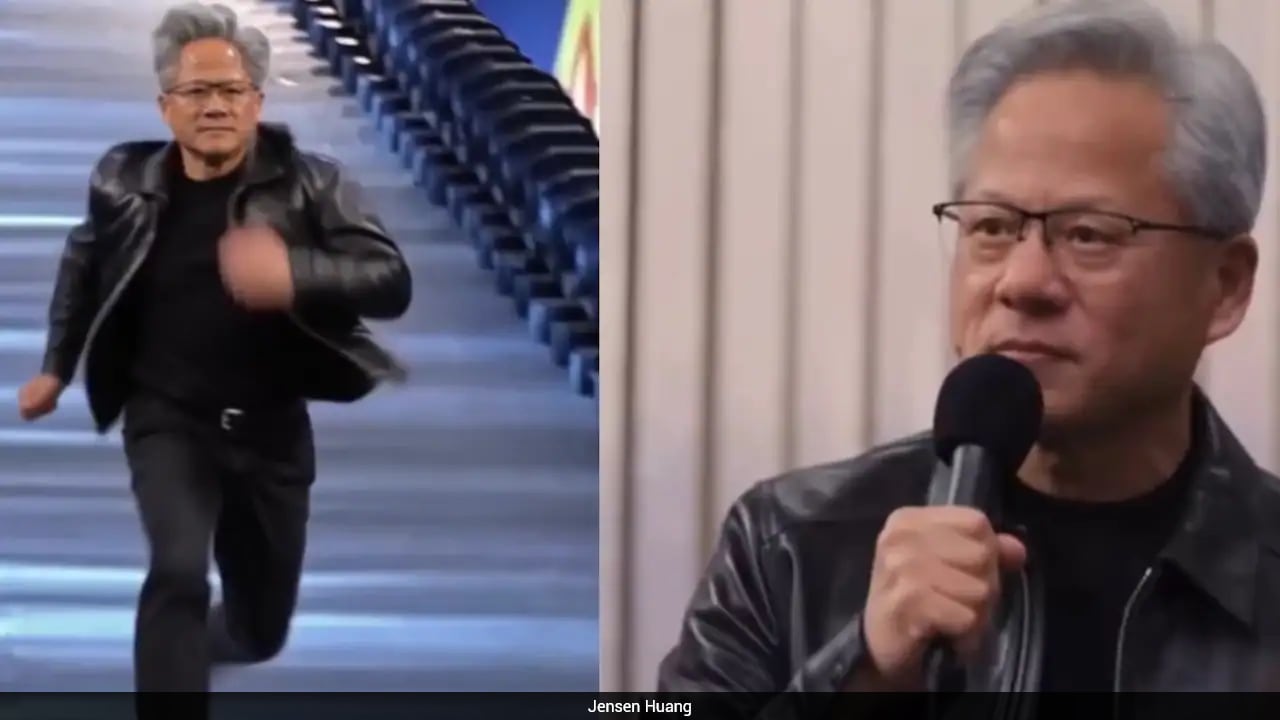
Less than two weeks after resigning, Jensen Huang is back running Nvidia. The stock exploded on Monday, November 23, 2026, jumping more than 30% in early trading and pulling the Nasdaq up over 6%. Traders on X cheered like he just dropped a surprise keynote. Memes flew. "Stand with Jensen" supporters felt vindicated.
Honestly, if you only read surface-level recaps of Jensen Huang returning as Nvidia CEO, you're getting a cartoon version of what actually happened. People are treating this like a clean Hollywood redemption arc. It isn't. The board's unanimous reversal on November 22—announced November 23—came after a wild two-week whiplash involving alleged personal misconduct, foreign intelligence questions, White House lobbying, and export-control heat that isn't going away.
Social media loves a tidy comeback story. Markets love a relief rally. Neither one erases the subpoenas or congressional hearings waiting on Huang's desk.
Why Social Media Went Wild Over Jensen Huang Returning as Nvidia CEO
The internet reaction broke into two loud camps almost immediately. On one side, retail traders, AI founders, and "Stand with Jensen" petitioners treated his reinstatement like proof that founder-led obsession still rules Silicon Valley. Over 200,000 people signed the open letter backing him, including roughly 10,000 people organizers identified as Nvidia staff. Elon Musk summed up the cheerleading squad on X in five blunt words: "The mistake has been corrected."
On the other side, skeptical commentators, corporate governance watchers, and critics pointed out how fast the narrative spun. Just days earlier, on November 17, interim CEO Colette Kress had told CNBC's Jim Cramer that the board wouldn't reinstate him. That same day, board chair Harvey C. Jones said the directors didn't intend to bring him back. A U-turn that sharp makes people cynical fast.
From watching how big tech drama plays out online, social feeds almost always flatten messy institutional fights into "good vs. bad" or "genius vs. haters." When a single founder becomes shorthand for an entire multi-trillion-dollar AI boom, people project their own hopes and anxieties onto him. If you held beaten-down tech stocks with Nvidia off roughly a third on the year prior to the bounce, his return looked like salvation. If you care about board independence or workplace standards, it looked like whiplash.
The Backstory Most Viral Posts Gloss Over
You can't understand the online celebration without looking at how low things got between November 11 and November 22. Huang stepped down amid mounting pressure tied to reported personal relationships—including reporting by The New York Times alleging a relationship with Nvidia vice president of health care Kimberly Powell, which Reuters noted it could not immediately verify—alongside scrutiny over whether foreign intelligence targeted him. Huang publicly acknowledged making "serious mistakes" in his personal life when he floated a potential return on November 17.
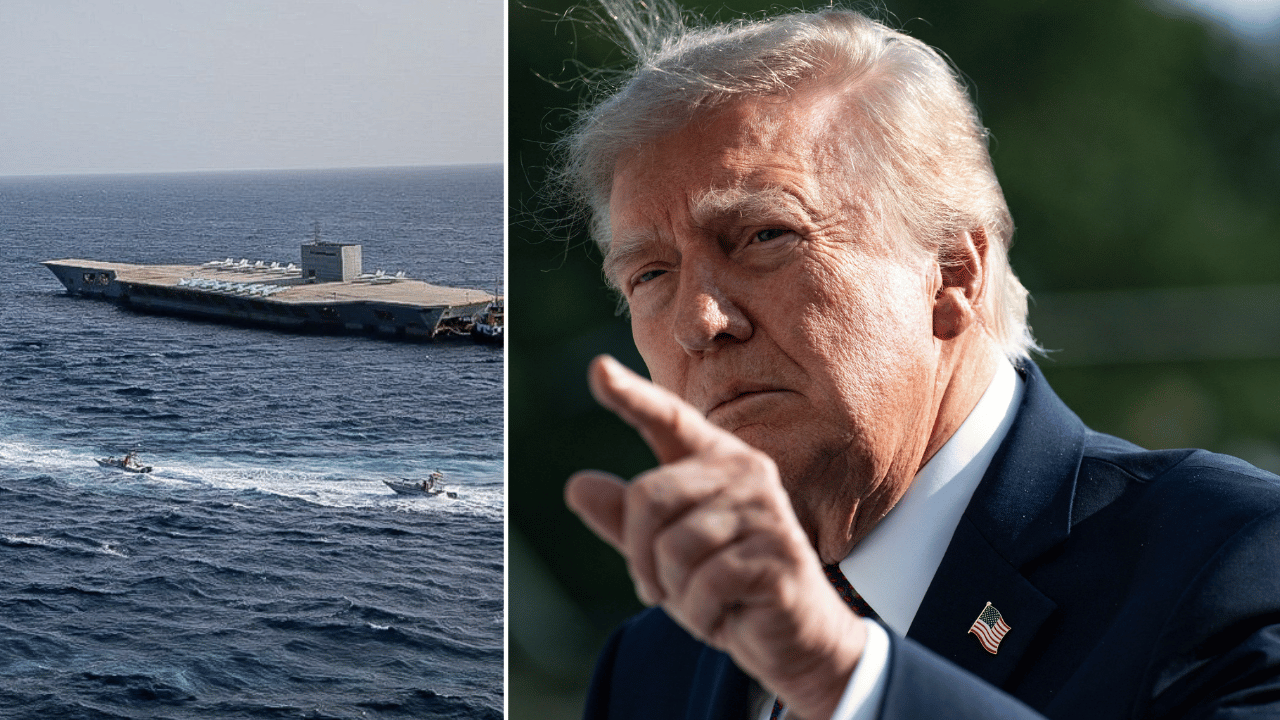
Then politics stepped right into the middle of the corporate drama. President Donald Trump publicly backed bringing Huang back and later told CNBC he had spoken with Huang ahead of the move and believed his intervention mattered, while also stating his administration gave assurances there were no national security concerns about Huang returning. Nvidia's board stated it received input from senior U.S. government officials and was confident his reinstatement posed no national security risk.
Here's the mistake a lot of commenters make online: they assume a unanimous board vote means every controversy is closed. It doesn't. As reported by AP News and Observer, outside scrutiny is still very real. California Attorney General Rob Bonta's office served Nvidia a subpoena on November 19 regarding whether chips or confidential information reached China and what investors were told, and his office noted on November 23 that Huang's return left those questions open. Senator Elizabeth Warren also pressed for details on the government input and export-control compliance. Meanwhile, the U.S. Department of Commerce added Singapore-based cloud provider Megaspeed and affiliates to the Entity List on November 23 over alleged AI chip diversion to China.
What Wall Street's Reaction Actually Tells Us
Market surges feel validating when you're staring at green candles. Nvidia's pop—reported across outlets in the roughly 26% to 36%+ range depending on timing and session marks—helped snap a losing streak for major indexes. Yet big relief rallies on headline news often mix real fundamentals with short-covering and momentum chasing.
In my experience tracking high-beta tech names through leadership shocks, day-one euphoria answers who is in the chair, not what happens next. Analysts like eMarketer's Jacob Bourne have compared the board reversal to Sam Altman's brief ouster at OpenAI, noting how concentrated power around one leader raises questions about governance and outsized influence over AI. Even with Huang back, Nvidia still has to execute on hardware roadmaps, manage export rules, and prove its compliance controls have teeth.
Common Misconceptions Circulating Online
- The investigation is over: Nvidia's board is continuing work tied to national security, export controls, and compliance—including plans around a committee and a chief compliance officer—while external inquiries remain active.
- Washington gave a blank check: Senior U.S. officials' input reassured the board on national security risk, yet lawmakers and state regulators are still asking pointed questions.
- Stock volatility is solved: A massive single-day bounce doesn't erase prior drawdowns or guarantee a straight line up.
How to Read News Like This Without Getting Burned
When a story like Jensen Huang returning as Nvidia CEO floods your feed, treat social media sentiment as a temperature check, never as due diligence. Memes measure crowd emotion. SEC filings, official company statements, and regulatory actions measure actual legal and operational risk.
If you're an investor, founder, or operator watching this unfold, take a breath before making big moves based on X threads. Look at primary disclosures instead of second-hand hype. Check what the board actually committed to in its official statement, watch upcoming regulatory and congressional milestones rather than guessing outcomes, and size positions so one headline reversal can't wreck your plan.