When a wall of flame approaches your backyard, waiting around for government crews isn't a viable strategy. Thousands of Canadians living in rural regions have realized that public emergency services simply get stretched too thin during unprecedented fire seasons.
Instead of evacuating and hoping for the best, residents are organizing, buying heavy-duty pumps, and standing their ground. This shift toward civilian-led wildfire defense highlights a massive gap in modern emergency infrastructure.
Why Official Resources Fall Short
If you look at major fire seasons across British Columbia, Alberta, and Ontario, a clear pattern emerges. Professional firefighting agencies prioritize critical infrastructure and high-density population zones first.
If your home sits on the rural edge of a forested community, you might find yourself at the very bottom of the priority list.
- Response times: Rural fire halls often cover hundreds of square miles, meaning crews arrive hours after a flare-up starts.
- Resource rationing: Air tankers and specialized crews get deployed to massive regional threats, leaving local pockets undefended.
- Communication blackouts: Evacuation orders frequently lag behind actual fire movement, trapping residents with outdated information.
When local governments tell residents to evacuate, many choose to stay behind. They stock up on water totes, portable generators, and sprinklers. They know the terrain better than any deployed state or provincial crew ever could.
The Rise of Citizen Fire brigades
Grassroots organizing has replaced blind reliance on official channels in many vulnerable townships. Communities are pooling money to purchase commercial-grade water pumps and miles of fire hose.
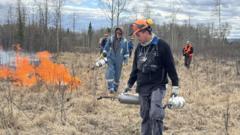
People who used to be neighbors are now trained partners in backyard defense. They clear brush, establish fire breaks, and patrol perimeter lines while embers rain down from the sky.
This DIY approach comes with real risks. Without formal training, untrained volunteers can easily get trapped by shifting winds or toxic smoke. Professional agencies frequently warn against staying behind, citing the immense danger of crown fires that move faster than a vehicle.
Yet, for many rural property owners, the risk of losing everything they own outweighs the danger of staying to fight. They refuse to watch their generational properties burn to the ground without a fight.
What This Means for the Future of Emergency Management
The rise of civilian firefighting points to a broken system that requires urgent structural reform. Local authorities cannot rely strictly on centralized services when entire provinces catch fire simultaneously.
Better integration between local volunteers and professional incident commanders could save thousands of structures. Instead of criminalizing or dismissing residents who stay behind, emergency planners need to incorporate them into regional defense frameworks.
If you live in a high-risk wildfire zone, do not wait for a crisis to figure out your plan. Invest in independent water sources, clear combustible materials away from your foundation, and connect with your neighbors immediately.