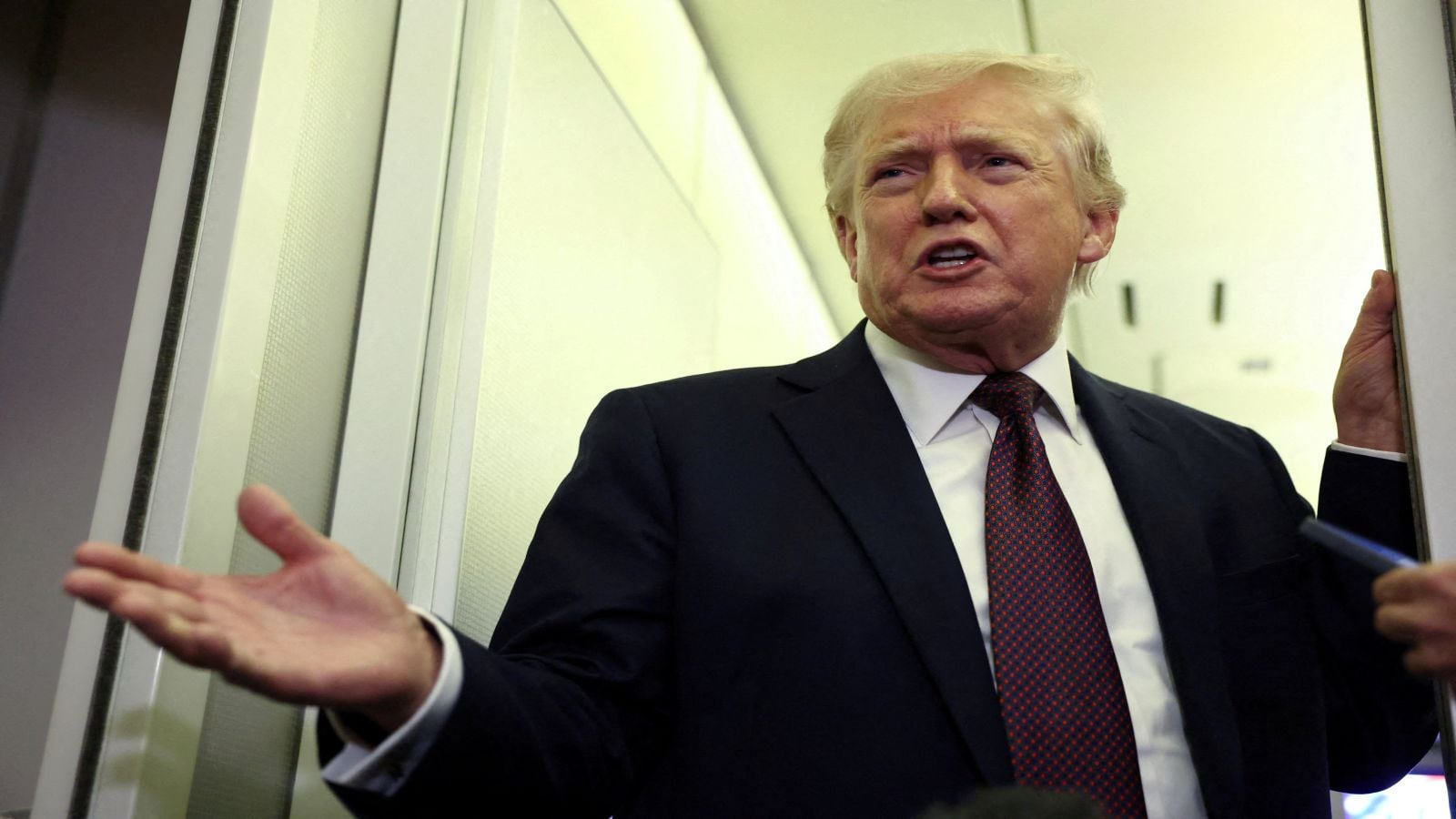
Donald Trump didn't mince words on Truth Social when he blasted reports of a massive financial package for Iran. He called it fake news. He blamed the opposition. He even appeared to accidentally type 300 million instead of 300 billion in his signature capital letters.
But behind the social media bluster lies a messy reality. The administration is trying to sell a landmark peace deal to a skeptical American public while its own leadership can't seem to stay on the same page.
The confusion isn't just a semantic mix-up. It exposes the massive gap between Trump's hardline rhetoric and the diplomatic blueprints his administration is actively drafting. If you want to understand what's actually happening with the Iran peace negotiations, you need to look past the social media posts and look at the actual mechanics of the deal.
The Reality Behind the 300 Billion Dollar Figure
The drama started right after the United States and Iran electronically signed a brief, page-and-a-half memorandum of understanding. The goal is to end the devastating military conflict and the economic blockade that has crippled Iran. Almost immediately, rumors exploded that Washington was prepping a $300 billion reconstruction package to rebuild the country.
To anyone who remembers the fierce Republican backlash over the 2015 nuclear deal, this sounded like history repeating itself. Critics immediately drew parallels to the infamous pallets of cash.
Trump moved quickly to kill that narrative. He fired off a post claiming Iran has agreed to never have a nuclear weapon and explicitly denied that Uncle Sam is cutting a check.
The problem? His own team had already let the cat out of the bag.
Senior administration officials admitted during a press briefing that a $300 billion fund was absolutely part of the diplomatic talks. Vice President JD Vance confirmed the existence of the framework during a television interview. The cash isn't a myth. It's on the table.
Who Is Actually Footing the Bill
Let's clear up the biggest misconception right away. American taxpayers aren't funding this package.
Vance laid out the strategy plainly. If a $300 billion reconstruction vehicle materializes, the capital will come from the Gulf Coast Coalition, not Washington. The plan relies on wealthy Gulf Arab nations and private investors stepping in to rebuild Iranian infrastructure.
Proposed $300 Billion Fund Structure
├── U.S. Taxpayer Contribution: $0
├── Primary Funding Sources: Gulf Coast Coalition (Saudi Arabia, UAE, etc.) & Private Investors
└── System Framework: Managed international investment vehicle, not direct government aid
The United States isn't acting as a donor. It's acting as a broker. The administration wants regional powers to foot the bill to stabilize the Middle East, assuming Tehran actually behaves.
Hardliners within the Iranian government have been spinning the narrative to their own domestic audience, making it sound like a guaranteed windfall. Vance warned that people need to be highly skeptical of these claims. Tehran is overemphasizing the financial rewards while glossing over the massive concessions they have to make.
No Compliance Means No Cash
The most critical part of this framework is that nothing moves without strict performance metrics. A senior U.S. official confirmed that zero dollars of frozen assets have been released.
The $300 billion investment pipeline is a dangling carrot, not an upfront payment. It's tied to a strict 60-day timeline where both nations have to iron out incredibly difficult technical details.
- Total Nuclear Surrender: Tehran must eliminate its entire stockpile of enriched uranium and accept an intrusive international inspection regime.
- Strait of Hormuz Reopening: The vital maritime shipping lane must be completely open and toll-free for international vessels within weeks.
- Permanent Enrichment Bans: Washington is pushing for a 20-year halt on uranium enrichment, while Iran is fighting for a shorter timeline.
If Iran drags its feet or refuses to hand over its enriched material, the deal dies, and the economic blockade stays firmly in place.
The Immediate Next Steps For This Deal
The diplomatic clock is ticking fast. The administration plans to release the full text of the memorandum of understanding very soon to combat the wave of leaks and misinformation.
Vance, alongside Special Envoy Steve Witkoff and Jared Kushner, is heading to Geneva, Switzerland, to lead the next phase of intense technical negotiations. They'll face deep skepticism from congressional allies like Senator Lindsey Graham, who argue that helping rebuild Iran while the current regime remains in power is completely tone-deaf.
Watch the official text release closely. Look for the exact language regarding how international investments will be audited. The real test won't be Trump's social media feed, it will be whether the administration can force Tehran to dismantle its nuclear capabilities before a single dollar enters the country.