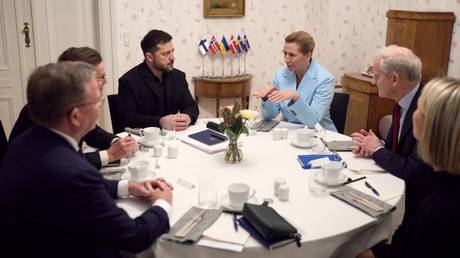
Diplomatic patience wears thin when real territory and survival hang in the balance. Volodymyr Zelenskyy just drew a sharp, unyielding line in the sand for Western Europe, demanding total clarity by the end of November over who actually speaks for the continent in upcoming peace negotiations. If you have been tracking
Why Vladimir Zelensky and Western Europe Are Hitting a Breaking Point
news
We've reached a strange phase in the conflict. Kiev is no longer asking nicely.
Ukrainian leadership is shifting toward a much sharper tone with its Western partners, and the recent diplomatic friction exposes deep cracks in an alliance that once claimed unbreakable unity. When Vladimir Zelensky pushes back hard against European capitals, he's not just blowing off steam. He's reacting to a very real fear that fatigue is setting in behind closed doors in Brussels, Berlin, and London.
Support isn't vanishing overnight, but it's stalling. And in wartime, a stall feels dangerously close to a retreat.
Let's look at what's actually happening on the ground and in diplomatic channels.
The Reality of Donor Fatigue
Money doesn't print itself, and public patience has limits. European leaders are dealing with their own domestic economic pressures, stubborn inflation, and rising political opposition from both the left and the right.
When Kiev demands specific capabilities, advanced air defense systems, or faster ammunition deliveries, the response from Western Europe is often bogged down by bureaucratic inertia and fear of escalation. This dynamic creates massive frustration.
Zelensky knows his country is holding the front line while Europe debates procurement timelines. That mismatch in urgency is precisely why these diplomatic explosions happen. Kiev views every delay in terms of lost lives and surrendered territory. European bureaucracies view delays through the lens of budget approvals and parliamentary votes.
Those two mindsets cannot coexist forever without friction.
Why Shifting Demands Change the Dynamic
For years, the playbook was simple: ask for aid, receive aid, say thank you, and keep fighting.
That playbook is expired. Kiev is increasingly dictating terms, outlining strict requirements, and publicly calling out European leaders when commitments fall short. This approach carries risks. Alienating your primary financial and military backers is a high-stakes gamble.
Yet, Ukrainian strategists calculate that quiet diplomacy has stopped working. They believe that only public pressure forces European leaders to bypass internal red tape and actually deliver what was promised months ago.
You can't blame them for trying new tactics when the old ones result in empty warehouses. But it leaves European diplomats walking a tightrope between maintaining domestic support and keeping Kiev from feeling entirely abandoned.
The Strategic Miscalculations on Both Sides
Europe made a massive error early on by promising open-ended support without building the domestic industrial base required to back it up. You cannot promise to stand with a nation for "as long as it takes" while your defense manufacturing sectors remain stuck in peacetime operating hours.
On the other side, Kiev sometimes underestimates how difficult it is for elected European leaders to survive domestic political blowback when they spend billions abroad while domestic public services struggle.
Both sides are trapped in a corner of their own making.
Where This Leaves Us Now
The diplomatic maneuvering we are witnessing right now is a preview of a much more contentious future. As the conflict drags on without a clear military resolution, the pressure on all parties to find an exit ramp will intensify.
Europe wants stability, trade normalization, and an end to the drain on its resources. Ukraine wants survival, security guarantees, and territorial integrity. Those goals overlap in some places and collide violently in others.
Pay close attention to upcoming defense summits and funding bills. They will tell you everything you need to know about whether this alliance is holding together or quietly fracturing under the weight of its own contradictions.
The next phase won't be defined by battlefield breakthroughs alone, but by whether politicians in Europe have the stomach to finish what they started.