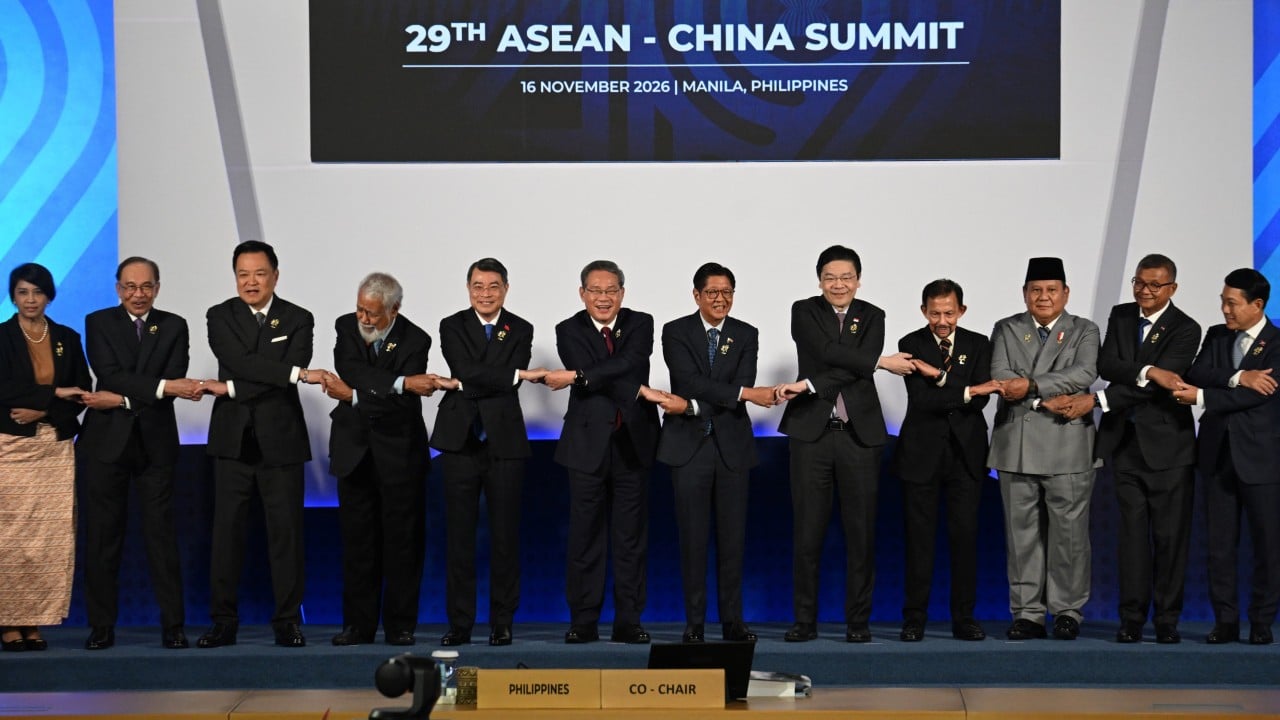
Watch Beijing at a regional summit in Manila or Shenzhen and you will see two countries wearing the same suit. One side talks like a friendly neighbor and fellow Global South member, preaching open markets and shared development. The other side acts like a heavyweight superpower pressing maritime claims and shaping big-power deals over everybody else's head.
That contrast is the real story behind China in Southeast Asia. Analysts tracking the region have pointed out how Beijing preaches an inclusive regional order while still claiming a central role in exclusive major-power talks that feel anything but inclusive to smaller neighbors. Honestly, if you only look at trade totals or only read maritime headlines, you miss the whole picture. Both sides are true at the same time, and Southeast Asian capitals live with that tension every single day.
I have spent years following Asian trade and diplomacy, and the biggest mistake outsiders make is treating ASEAN countries like passive bystanders. They aren't. Leaders from Jakarta to Hanoi and Manila read Beijing's mixed signals closely, take what helps their economies, and push back when their sovereignty or margins get squeezed.
Why China Looks Like Two Powers at Once
Calling it a split personality sounds dramatic, yet it captures a genuine strategic contradiction. Beijing wants to be seen as a peer to developing nations, a champion of multilateral trade, and a steady anchor against Western tariffs and protectionism. At the same time, Beijing has the balance sheet of a giant creditor, the industrial scale of the world's factory floor, and military and coast guard capabilities that dwarf every Southeast Asian navy.
When a country is both your top trading partner and the biggest source of pressure in your waters, cooperation never feels purely neutral. One week, Chinese officials highlight supply-chain links, rail projects, or agricultural cooperation—like Malaysia looking into Chinese rice-prawn farming methods as local rice output faces pressure. The next week, friction flares over Exclusive Economic Zones, patrols, or stalled diplomatic talks.
Even in November 2026, back-to-back regional gatherings—the 49th ASEAN Summits in Manila and the 33rd APEC Leaders Summit in Shenzhen—showed how tightly friction and commerce sit side by side. Countries want deeper trade and digital ties. They also know political disputes don't magically disappear just because ministers smile for cameras.
Trade Numbers Tell Half the Story
On paper, the economic bond between China and ASEAN looks almost unbreakable. ASEAN has been China's top trading partner since 2019, and China has held the top spot for ASEAN since 2009. Trade has expanded dramatically over the past couple of decades, crossing the $1 trillion mark.
Look closer at the supply chains, though, and things get messier. Southeast Asia brings in massive amounts of Chinese intermediate goods, components, and machinery to assemble products for export elsewhere. That makes China indispensable to regional manufacturing. It also exposes Southeast Asian exporters when tariffs shift or when Chinese overcapacity floods local markets with cheap goods.
Foreign direct investment shows a similar mix of momentum and selectivity. ASEAN pulled in a record $246 billion in FDI in 2025, with Chinese FDI reaching $26 billion—about 11 percent of the total, up sharply from tiny fractions in the early 2000s. Still, 11 percent means nearly nine out of ten investment dollars came from elsewhere.
- Infrastructure caution: Governments aren't signing blank checks anymore. Look at Indonesia eyeing China for the massive 2,772-kilometer Trans-Kalimantan railway while weighing past cost overruns and debt lessons.
- Supply-chain hedging: Manufacturers diversify across Vietnam, Malaysia, Indonesia, and Thailand rather than betting everything on one border or one tariff regime.
- Resource value-add: Raw mineral exports—from nickel to rare earths—spark debate over whether Southeast Asia captures enough downstream value instead of staying stuck at the bottom of the chain.
Security Worries and Shifting Moods
Money buys leverage. It doesn't automatically buy trust.
The ISEAS State of Southeast Asia 2026 Survey shows just how complicated regional sentiment has become. Respondents still rank China first in economic influence (55.9%), political-strategic influence (40.0%), and overall strategic relevance among ASEAN dialogue partners. Yet concerns over China's encroachments in littoral states' Exclusive Economic Zones and continental shelves (51.7%) and the risk of an accidental clash (45.2%) remain front and center.
What shifted in 2026 is the comparison with Washington. In the 2026 ISEAS poll, a slim majority of respondents (52.0%) picked China over the United States (48.0%) if forced to align with one rival—reversing the previous year's result as doubts about U.S. reliability grew. Still, that doesn't mean Southeast Asians want to be told what to do by Beijing. More than half (55.2%) prioritize strengthening ASEAN's own unity and resilience precisely so they aren't crushed between big powers.
Meanwhile, talks on a South China Sea Code of Conduct keep dragging on without a breakthrough. Diplomatic optimism spikes during crises—such as energy shock scares—and then runs straight back into hard sovereignty lines.
What Outsiders Get Wrong About Southeast Asia
Too many commentators treat Southeast Asia like a chessboard where Washington and Beijing move pieces around. That view is lazy and wrong.
First, Southeast Asia isn't one country. Vietnam's history with Beijing looks nothing like Cambodia's, Laos's, or the Philippines'. Even within a single country, opinions split across generations and sectors. Younger Vietnamese, for instance, have shown growing interest in Chinese pop culture, consumer brands, and business ties even while political and maritime friction persists.
Second, hedging isn't indecisiveness. It's a survival strategy. Small and medium-sized states that live next door to a superpower while depending on global sea lanes and Western export markets stay flexible on purpose. Locking yourself into one camp shrinks your room to maneuver.
Third, ASEAN's consensus model has real limits, especially when member states face uneven economic development or sharp domestic pressures. Expecting ten—now eleven, with Timor-Leste officially joining in October 2025—very different governments to speak with one voice on every flashpoint is setting yourself up for disappointment.
Practical Next Steps for Businesses and Analysts
If you run a business, invest capital, or track policy across the region, stop relying on broad slogans about China in Southeast Asia. Ground your decisions in specific country and sector realities instead:
- Map your true supply-chain exposure. Don't just check where a product is assembled. Trace where raw materials, components, and tooling come from so a sudden tariff tweak or customs delay doesn't blindside your margins.
- Separate commercial deals from political risk. A joint venture or factory expansion in Southeast Asia can make total financial sense while maritime or diplomatic tensions flare in the news. Build contingency plans for shipping routes, FX swings, and regulatory shifts.
- Track country-by-country policy moves. Watch how individual governments negotiate infrastructure terms, digital rules, and trade pacts rather than assuming uniform regional behavior.
- Read local sources and regional surveys. Pair international headlines with regional research like the ISEAS State of Southeast Asia report and reporting from across ASEAN capitals to catch nuances before they hit global wire stories.