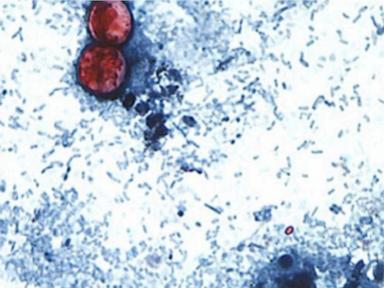
Michigan is facing a massive public health emergency that isn't getting nearly enough national attention. In a matter of weeks, a rare stomach parasite has swept through the state, turning what is usually a handful of isolated incidents into a full-blown crisis.
The numbers are genuinely staggering. On July 13, 2026, the Michigan Department of Health and Human Services confirmed that the total number of cyclosporiasis cases in Michigan has officially blown past 2,640.
To put that into perspective, the state usually sees about 50 cases in an entire year. Now, they're seeing thousands in less than a month. Over one weekend alone, health officials recorded a massive jump of more than 1,000 new cases.
If you live in Michigan, or if you eat fresh produce anywhere in the Midwest, you need to understand what is actually happening right now. This isn't your typical 24-hour stomach bug. It's an aggressive, stubborn parasitic infection that can linger for weeks, and the source remains completely unknown.
The Sudden Explosion of a Hidden Parasite
The outbreak started creeping up in late June when health officials in Monroe County noticed an unusual cluster of severe gastrointestinal illnesses. Within days, the numbers didn't just climb; they skyrocketed. As of right now, the state has confirmed at least 44 hospitalizations linked directly to this outbreak.
The geographic footprint is expanding fast. While cases have broken out in at least 40 different counties across the state, the epicenter is heavily concentrated in Southeast Michigan. Monroe County is leading the pack with the highest concentration of infections, followed closely by Wayne County, Washtenaw County, and Lenawee County. Other hard-hit areas include Shiawassee, Jackson, Oakland, and Livingston counties.
It's a bizarre and frightening scenario for local families. You go to the grocery store, buy what you think is a healthy basket of fresh greens, and end up with a parasitic infection that knocks you off your feet for a month.
What makes this situation incredibly frustrating is that state and federal investigators are still flying blind. They know the parasite is Cyclospora cayetanensis, but they haven't been able to pin down the exact food product, distributor, or farm responsible for the contamination.
Why This Outbreak is Different from Normal Food Poisoning
Most people hear about a foodborne illness and assume it's Salmonella or E. coli. Those are bacteria. Cyclospora is an entirely different beast. It's a microscopic, single-celled parasite that hitches a ride on fresh food and infects your small intestine.
Understanding the Cyclospora Parasite
When you ingest contaminated food or water, the parasite sets up shop in your digestive tract. It doesn't wash away easily, and it doesn't respond to standard over-the-counter anti-diarrheal medications. In fact, taking standard anti-diarrheal drugs can sometimes make things worse by keeping the parasite trapped inside your system longer.
You don't catch this from your neighbor or a coworker. It doesn't spread from person to person. It's almost exclusively passed along when human feces contaminates water or soil used to grow fresh produce. That means somewhere in the supply chain feeding Michigan grocery stores and restaurants, a major breakdown in agricultural sanitation occurred.
The Frustrating Six Week Reporting Lag
Here's a piece of the puzzle that most news outlets aren't explaining properly. The 2,640 cases we see on paper today are just the tip of the iceberg.
The Centers for Disease Control and Prevention openly admits that cyclosporiasis surveillance has an inherent lag of about six weeks. Think about the timeline. First, you eat the contaminated food. The parasite takes anywhere from two days to two weeks just to make you sick. Then, you spend a week toughing it out at home, thinking it's just a normal stomach virus.
When you finally go to the doctor, they have to order a specific stool test. Standard lab cultures often miss Cyclospora entirely, so the doctor has to specifically look for it. The lab processes the test, confirms the parasite, and reports it to the local health department. The local health department then sends the data to the state.
By the time a case is officially added to Michigan's public tally, the patient likely ate the contaminated item nearly two months ago. This massive time delay makes tracking down the source a logistical nightmare. People simply cannot remember every single piece of lettuce, garnish, or berry they ate six weeks prior.
What You Actually Need to Look Out For
If you think you've been exposed, you need to know exactly what the symptoms look like because they are brutal. The hallmark sign of a Cyclospora infection is watery, frequent, and sometimes explosive diarrhea.
Symptoms that Don't Just Go Away
This isn't a minor inconvenience. It's a relentless physical toll. Along with the severe diarrhea, infected individuals report a laundry list of miserable side effects:
- Severe abdominal cramps and intense bloating
- A total loss of appetite followed by rapid, unintended weight loss
- Deep fatigue that makes it hard to get out of bed
- Persistent nausea
- Low-grade fevers, body aches, and headaches
The most devious trait of this parasite is its pattern of relapse. You might feel terrible for four days, then suddenly feel completely fine for 48 hours. You think you're in the clear. Then, without warning, the explosive symptoms return with full force. This cycle can repeat itself for well over a month if you don't get the right treatment.
If you're dealing with these symptoms, don't wait it out. See a doctor and explicitly ask them to test your stool for Cyclospora. If you test positive, the standard treatment is a specific course of sulfa-based antibiotics, typically trimethoprim-sulfamethoxazole. If you have a sulfa allergy, your doctor will need to figure out an alternative approach, which makes early detection even more critical.
How to Protect Your Kitchen Beyond Just Rinsing
Because investigators haven't identified the specific source of the Michigan outbreak, you have to treat all fresh, raw produce with a high degree of suspicion.
Many people assume that giving their lettuce a quick rinse under the tap is enough to stay safe. It isn't. Cyclospora parasites have a incredibly tough, protective outer shell. They laugh at standard chemical washes, chlorine rinses, and quick splashes of cold tap water.
Why Bagged Salads are a Huge Risk Right Now
Historically, major Cyclospora outbreaks in the United States and Canada have been traced back to a specific handful of culprits. Pre-cut bagged salad mixes and salad kits are notorious offenders. When large processing facilities cut up massive quantities of romaine, iceberg, red cabbage, and carrots, a single contaminated leaf can contaminate an entire batch of thousands of bags.
Fresh herbs like cilantro and basil are also frequent vehicles for the parasite, alongside green onions, snow peas, and fresh raspberries.
Right now, Michigan health officials are offering a piece of advice that sounds old-fashioned but could save you weeks of agony: stop buying bagged salad mixes entirely for the time being. Instead, buy whole heads of lettuce.
When you get a whole head of lettuce home, immediately peel off and discard the outer two to three leaves. That's where dirt and contaminated water are most likely to linger. From there, separate the remaining leaves completely and wash them individually under clean, briskly running water. Use a clean produce brush to scrub firmer items like cucumbers and melons before you cut into them. If there are any bruised or damaged spots on your fruits and vegetables, cut them away completely, as bacteria and parasites love to settle into those compromised areas.
The Heat Solution
If you want absolute certainty that your food is safe, the solution is simple: cook it.
The Cyclospora parasite cannot survive high temperatures. Heating your food to a temperature of 158°F (70°C) or higher completely kills the parasite, rendering it completely harmless.
This means changing how you handle your meals for the next few weeks. Swap out raw spinach salads for sautéed spinach. Cook your green onions and snow peas in a hot stir-fry rather than tossing them raw into a bowl. If you're using fresh basil or cilantro to garnish a dish, stir it into the hot sauce or food while it's still on the stove rather than sprinkling it raw on top right before serving. Restaurants and commercial kitchens across Southeast Michigan are already being urged to take these exact precautions. You should be doing the exact same thing in your home kitchen.
Your Immediate Next Steps
Don't panic, but change your shopping and cooking habits immediately. The scale of this Michigan outbreak means the contaminated product is widely distributed across the state's food supply chains.
Ditch the pre-packaged, pre-washed plastic tubs of salad greens and stick to whole produce that you can scrub, peel, and wash yourself. Whenever possible, lean heavily on cooked meals rather than raw dishes. Keep a close eye on your health and the health of your family. If anyone in your household develops sudden, ongoing, watery diarrhea, skip the self-diagnosis, bypass the basic stomach bug assumptions, and get to a healthcare provider immediately to get tested specifically for Cyclospora.