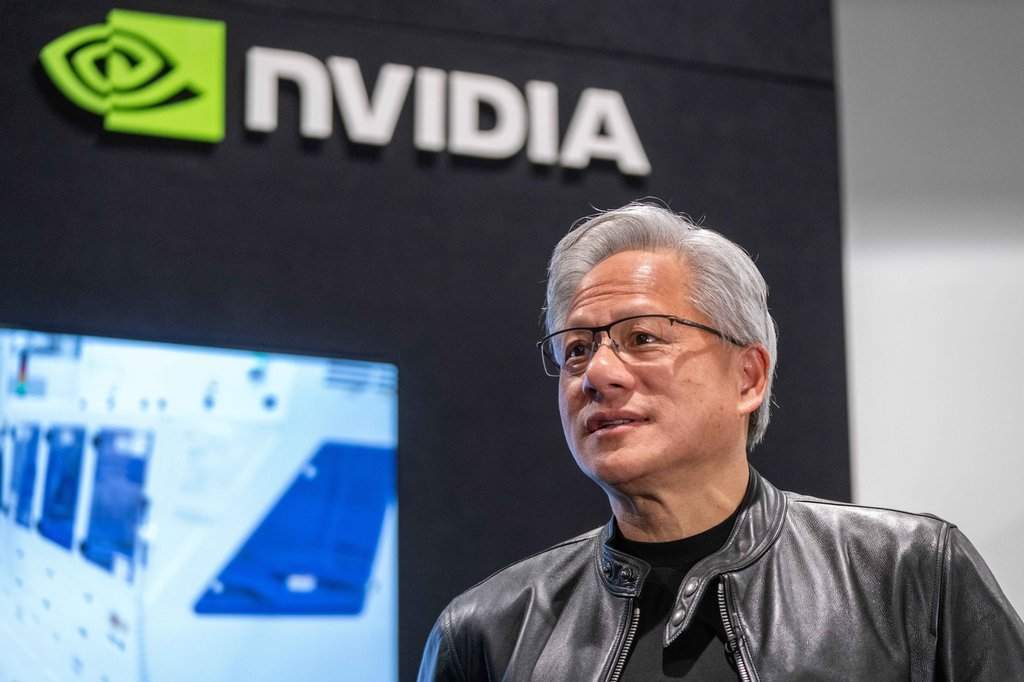
The tech world is still reeling from the fallout at Nvidia, but the narrative coming out of Singapore needs a hard look. Megaspeed International just broke its silence to state that Alice Huang—the executive at the center of the massive corporate storm—officially cleared out her desk on August 30, 2025.
If you are trying to piece together how billions of dollars in restricted hardware, an extramarital affair, and international espionage claims collided to force Jensen Huang out, the timeline matters. Megaspeed wants everyone to know they are putting distance between themselves and a former employee who hasn't worked there in over a year.
Corporate distancing is easy. Explaining how a specialized cloud provider bought mountains of advanced chips while cozying up to top leadership is entirely different.
The Timeline Problem Everyone Is Ignoring
Megaspeed's recent statement claims that Alice Huang—no relation to the former Nvidia chief—currently holds zero operational ties to the firm. That sounds neat on paper. But it completely ignores the operational reality of what happened between 2023 and late 2025.
During the exact period Alice Huang managed the Singapore-based data center outfit, Megaspeed expanded its footprint rapidly. They secured massive shipments of high-end silicon just as Washington tightened export controls on Beijing.
Ask any supply chain operator in the region and they will tell you that hyper-growth doesn't happen in a vacuum. Megaspeed positioned itself as a crucial Asia-Pacific partner for Nvidia. When pictures and reports surfaced of Alice Huang socializing closely with Jensen Huang, warning bells went off in intelligence circles.
Now, Megaspeed insists it conducts strictly lawful business and has hired external legal counsel to run an internal probe. Yet, Singaporean authorities barred Alice Huang from re-entering the country earlier this year after discovering inaccuracies in statements she gave during local inquiries.
Why the Megaspeed Defense Falls Flat
Companies under federal scrutiny always lean on the exact same playbook. They hire expensive lawyers, issue carefully scrubbed press releases, and emphasize that a troublesome individual left months ago.
It is a deflection strategy. The core issue isn't just whether Alice Huang still has an active company email address. The real question is how deeply her personal access influenced hardware allocation.
U.S. investigators want to trace the final destinations of those restricted chips. Were advanced processors routed through secondary entities? Did a cozy corporate relationship bypass standard compliance checks? Megaspeed's August 2025 exit date for Huang does nothing to answer what happened to the hardware that landed on warehouse floors while she was running operations.
The Broader Fallout for Global Tech Supply Chains
This mess exposes the fragile underbelly of global semiconductor distribution. For years, cloud providers in neutral hubs like Singapore acted as convenient bridges for hardware moving across complex regional boundaries.
When personal relationships at the top blur the lines of corporate governance, the entire ecosystem pays the price. Nvidia's board is scrambling, shareholders are furious, and political pressure in Washington is boiling over.
Megaspeed can try to rewrite its association with Alice Huang as a closed chapter from 2025. But external investigations don't vanish just because an executive resigned a year early. The compliance reckoning for cross-border AI hardware is only beginning, and a simple press statement won't shut down the spotlight.