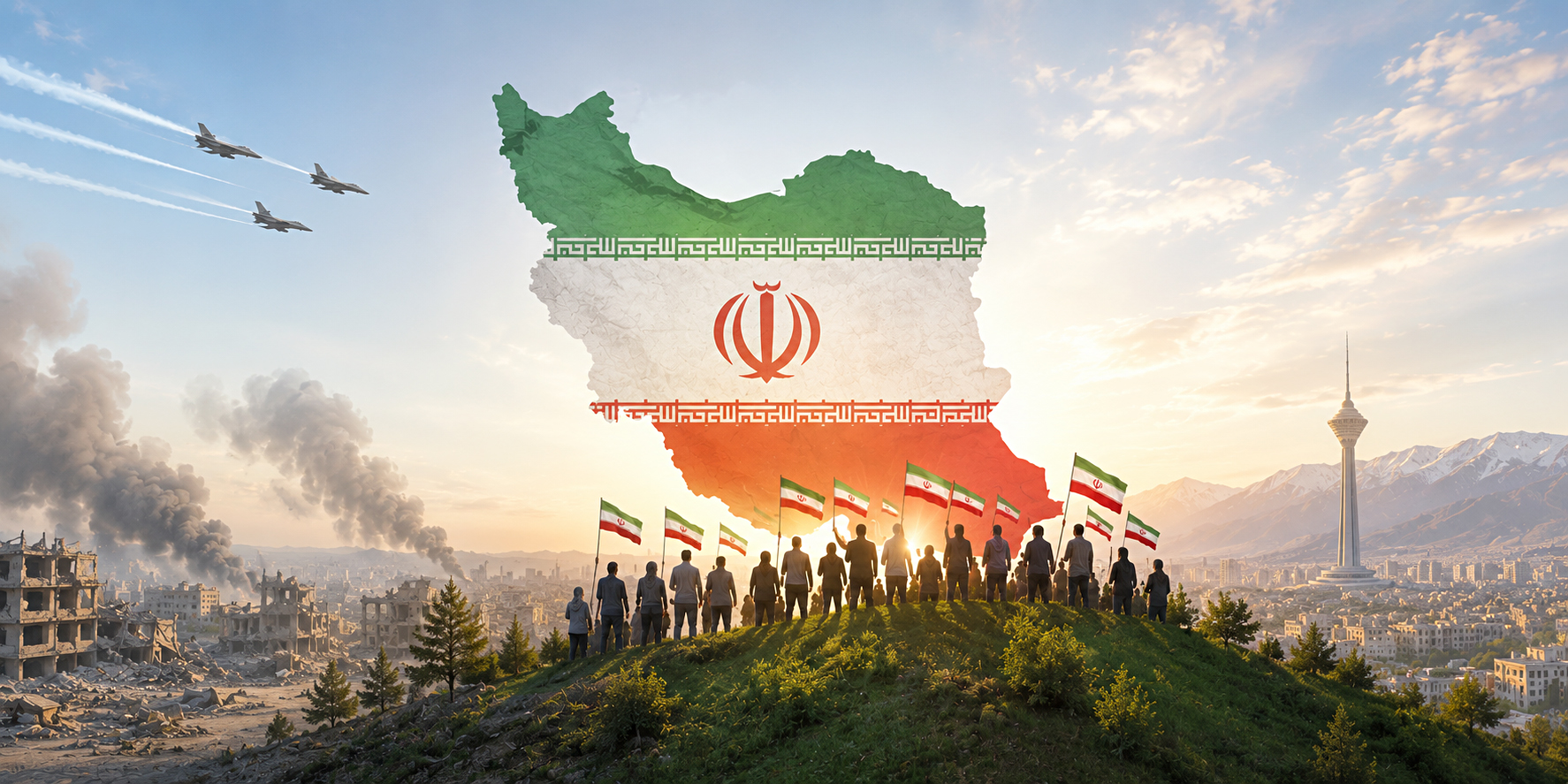
The illusion of peace in the Middle East didn't even last a full season. If you woke up this morning hoping that the shaky interim agreement between Washington and Tehran would hold, the smoke rising over the Strait of Hormuz just torched those expectations.
Over the weekend, the US military launched a massive campaign against Iranian positions. We are talking about over 140 targets obliterated in the first wave alone, followed quickly by another relentless round of precision strikes directed by US Central Command. Donald Trump claims the waterway remains wide open to commercial shipping. Tehran insists it's shut down until American forces leave the region entirely.
Who do you believe? The reality on the water tells a completely different story.
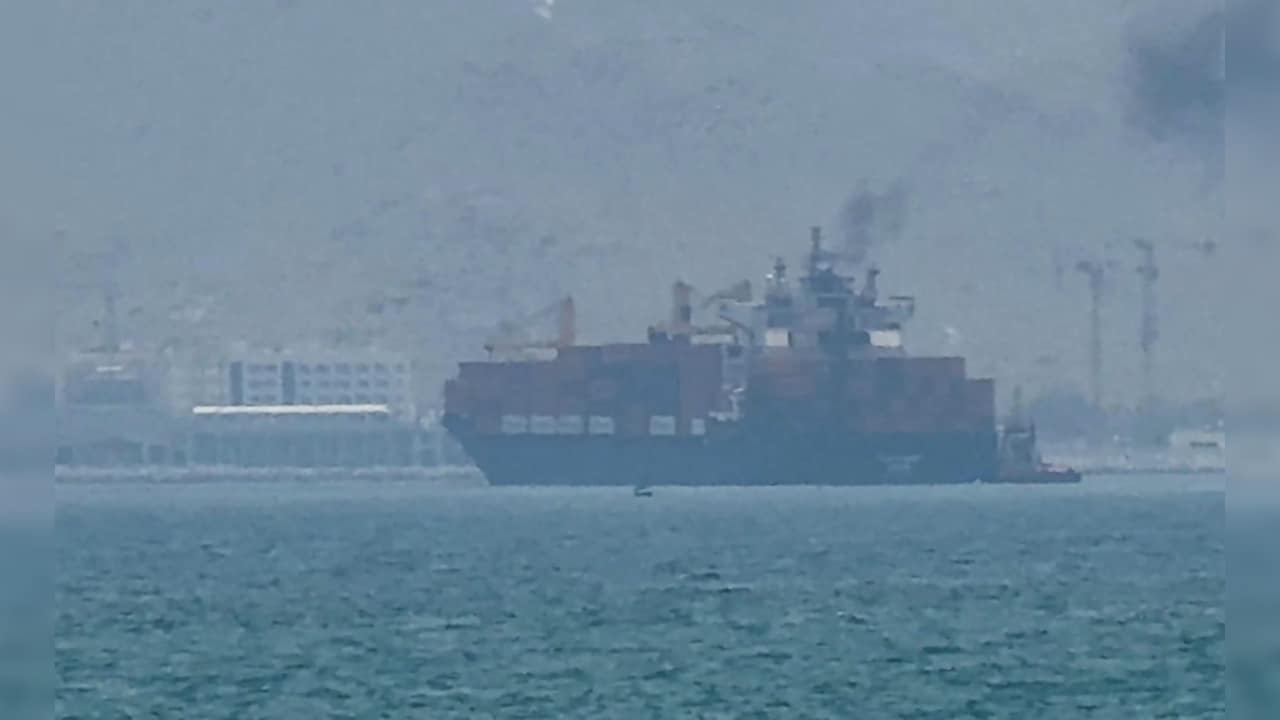
This isn't just another routine skirmish in a decades-long cold war. This is active, hot warfare that has been ripping through the global economy since late February. The latest flare-up kicked off when Iranian forces attacked a Cyprus-flagged container ship early Sunday, forcing its crew to abandon the burning vessel. From there, things went downhill fast.
The Breakdown of the Truce
You can blame the failure of diplomacy on a lot of things. But if you look closely at the internal politics of Tehran, this collapse was baked into the cake from day one. Former National Security Adviser John Bolton recently pointed out that the interim truce was built on quicksand. There simply isn't a single unified authority in Iran capable of enforcing a peace deal right now.
Ever since the US-Israeli strikes killed Ali Khamenei back on February 28, the Iranian regime has been a fractured mess. Hardline factions are calling the shots on the water, frequently acting without the blessing of the central government. Over the weekend, some Iranian officials even admitted behind closed doors that an "errant" hardline group caused the initial ship attacks to deliberately sabotage ongoing negotiations in Oman.
Now, Mojtaba Khamenei is publicly vowing to avenge his father’s blood. That leaves very little room for diplomatic maneuvering. When a state has multiple armed factions pulling the trigger, a ceasefire is just a piece of paper.
Bombs Over the Gulf
When the US decided to strike back this weekend, they didn't hold back. CENTCOM used a mix of fighter aircraft, naval vessels, and one-way attack sea drones to hit everything from coastal radar sites to air-defense systems. It was a massive show of force.
Iran didn't take the hit lying down. Within hours, retaliatory strikes rained down across the Gulf.
- Bahrain sounded its missile sirens as incoming fire targeted areas near the US Navy's 5th Fleet.
- Kuwait reported strikes on three border posts and an offshore oil platform.
- Tehran claimed it completely destroyed the American military's drone fleet stationed in Bahrain.
The geographical spread of these attacks shows exactly how vulnerable the entire region is. Iran isn't just fighting the US on its own soil. It's actively reaching out to strike Washington's Gulf allies, dragging Kuwait, Bahrain, the UAE, and Qatar directly into the crosshairs.
The Trillion Dollar Bottleneck
If you think this is just a regional issue, take a look at your local gas station or the stock ticker on your phone. The Strait of Hormuz is the world's most critical energy transit choke point. About a fifth of the world's petroleum passes through this tiny strip of water.
When Iran fired on that commercial vessel and declared the strait closed, oil markets went into an absolute frenzy. Tokyo crude markets opened sharply higher on Monday morning. The Australian dollar and the New Zealand kiwi immediately slid as traders panicked over global supply chain disruptions.
India has already expressed deep worry over the situation. An Indian sailor went missing during the initial ship attacks over the weekend, though ten others were rescued. New Delhi is calling for immediate de-escalation, but their pleas are falling on deaf ears. Trump is taking a hyper-aggressive stance, boasting on Truth Social that the US has "1,000 missiles loaded" and warning Iran that any disruption to shipping will be met with overwhelming devastation.
The Dangerous Game of Miscalculation
The biggest risk right now isn't a planned invasion. It's a colossal miscalculation. Trump wants a deal, but he wants it on his terms through maximum pressure. Iran wants the US out, but its fractured leadership means nobody is truly steering the ship.
When you have US fighter jets and Iranian sea drones sharing the same narrow airspace and water corridors, the margin for error drops to zero. A single errant missile hitting a major US naval asset or a massive civilian tanker could instantly turn this punishing air campaign into a full-scale regional war with no clear exit strategy.
What Happens Next
The diplomatic track is effectively dead for the foreseeable future. Iran's Foreign Ministry claims the latest US strikes have rendered months of quiet diplomacy completely futile. With Iraq's Prime Minister scheduled to meet Trump in Washington next week to discuss disarming pro-Iran groups, the political pressure is only going to intensify.
If you're watching this crisis unfold, stop expecting a quick diplomatic fix. Keep a close eye on these specific indicators over the next 48 hours.
First, look at the actual volume of commercial shipping moving through the strait. Don't just listen to White House press briefings or Iranian state media propaganda. Look at real-time maritime tracking data. If major shipping lines start routing tankers completely around Africa, global shipping costs will skyrocket.
Second, watch the rhetoric out of Beijing and New Delhi. Both nations rely heavily on Gulf oil. If they decide to intervene or pressure Tehran to back down, it might create a temporary off-ramp. If they remain silent, expect the US military to continue its daily bombardment.
Prepare for extended volatility in energy markets. Secure supply chains if you run a business dependent on global logistics. This conflict is no longer a slow-burning fuse. The bomb has already gone off.