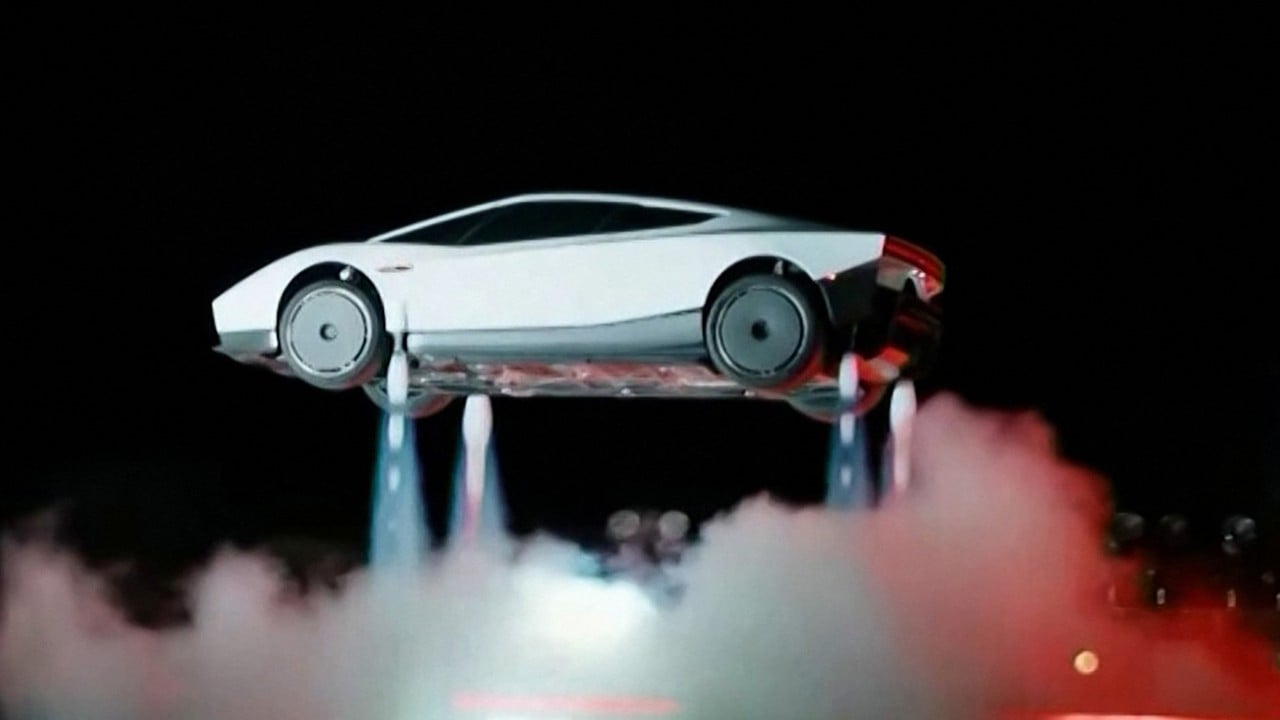
You have probably seen the clip by now. A transparent glass elevator gliding up the side of a modern architectural marvel, looking less like a standard transit box and more like a scene straight out of a science fiction movie set in the year 2050. Social media feeds have completely lost their minds over it, with millions of viewers wondering how real estate developers manage to dream up structures that make our everyday public transit look ancient.
People love to joke that regions like the Gulf are living in a completely different century. But beneath the viral TikTok videos and the hyperbolic internet commentary, there is a fascinating engineering story about why modern malls are transforming into vertical amusement parks.
The Architectural Psychology Behind Vertical Transparency
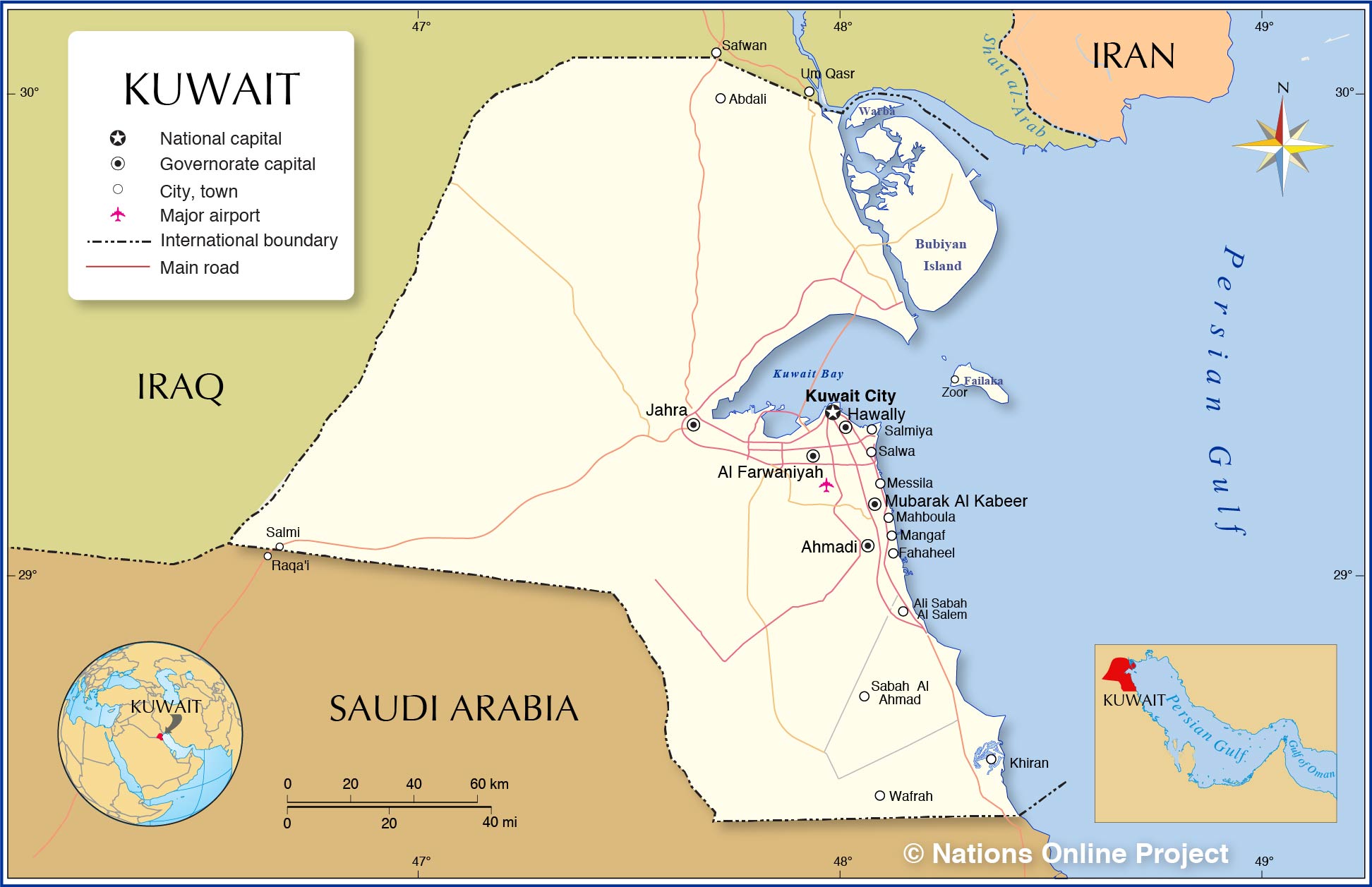
Glass elevators are nothing new. You can find them in shopping centers and hotels worldwide. So why did this specific setup in Kuwait cause a digital stampede?
It comes down to scale and psychological immersion. Traditional elevators hide you inside a dark shaft until you reach your floor. You step in, stare awkwardly at the corner numbers flashing above, and step out. Architects designing modern retail spaces realized that approach is boring.
By turning the entire lift into an observation deck moving at high speeds through a vast, sun-drenched atrium, they turn a mundane chore into an adrenaline-laced experience. You aren't just getting from the ground floor to the food court. You are hovering in mid-air over a sprawling public space.
When humans encounter environments that push the boundaries of spatial design, our brains react with surprise. We share it. We record it. We comment things like "they are living in 2050" because our local grocery store shopping center still features linoleum floors from 1994.
Why Modern Malls Must Become Tourist Attractions
Brick-and-mortar retail faces a brutal survival test. Online shopping delivers almost anything to your doorstep within twenty-four hours. If a physical shopping center wants you to leave your couch, drive past traffic, and pay for parking, basic retail stores are no longer enough.
They have to sell an experience.
This is where architectural theater steps in. Malls across the Middle East, Asia, and parts of Europe have evolved into massive indoor entertainment destinations. They feature indoor ski slopes, massive indoor aquariums, sprawling rainforest biomes, and elevators that double as thrilling rides.
When a building goes viral online, it achieves free global marketing worth millions of dollars. Teenagers, travelers, and architecture buffs fly in just to film a ten-second video inside that exact glass elevator. It drives foot traffic, boosts tenant sales, and turns a regional shopping hub into an international bucket-list item.
The Engineering Headache Nobody Talks About
While viewers online marvel at the futuristic aesthetic, structural engineers look at these projects and groan. Building a massive transparent capsule moving vertically through a multi-story glass atrium creates a nightmare of thermal dynamics, structural load calculations, and maintenance hurdles.
Glass expands and contracts under extreme heat, which is a major factor in climates prone to intense summer temperatures. Keeping those panels crystal clear requires round-the-clock maintenance teams working overnight. Safety protocols have to be exceptionally rigorous because public anxiety around glass structures runs high, even when the material is multi-layered, reinforced laminated safety glass.
Every jaw-dropping architectural marvel you admire on social media is backed by millions of dollars in mechanical wizardry and constant upkeep. It looks effortless on your phone screen. In reality, it is a complex balancing act of structural physics.
What This Means for the Future of Public Spaces
We are moving past the era of concrete boxes. Whether people are laughing at the futuristic vibes or genuinely wishing their local downtown had similar upgrades, these viral moments signal a shift in what the public expects from built environments.
We want public spaces that surprise us. We want buildings that make us pull out our phones. As architectural design continues to blend digital wizardry with physical grandeur, viral elevators are just the beginning.
Next time you step into a cramped, slow elevator with scratched mirrors, just remember that somewhere across the globe, people are riding through the air in a glass bubble, wondering why the rest of the world hasn't caught up yet.