Iran and the United States are staring down a 14-point memorandum of understanding that could completely halt their recent military escalation. If you read the mainstream headlines, you'll see a lot of noise about a multi-billion-dollar giveaway and a sudden breakthrough.
It's not that simple.
The semi-official Mehr News Agency in Tehran just dropped the details of this draft text. It outlines a fragile 60-day window to negotiate a permanent settlement, stop the fighting in Lebanon, and untangle a massive maritime mess.
Let's break down what's actually on the table, what Tehran is saying behind closed doors, and why Washington is pushing back on the narrative.
The 24 Billion Dollar Leverage Game
The headline grabber is the money. According to the leaked draft, Iran stands to regain access to $24 billion in frozen financial assets over a 60-day period.
Tehran's state media is spinning this as a massive win. Iranian officials claim that half of this sum—$12 billion—must be unlocked before the official negotiations even start. They're framing it as a prerequisite, a sign of American submission after months of brutal economic blockades and military strikes.
Don't buy the spin.
Washington sees this cash very differently. US Vice President JD Vance and other administration officials are already making it clear that no money moves without strict compliance. The White House view is that financial relief is a carrot at the end of the stick, not a down payment for Iran showing up to the table.
We've seen this movie before. In past negotiations, asset releases were heavily restricted, routed through third-party banks in Qatar or Oman, and limited strictly to humanitarian goods like food and medicine. Expect the same guardrails here, despite what Tehran tells its domestic audience.
The Fight for the Strait of Hormuz
The most explosive element of the draft isn't the cash. It's the water.
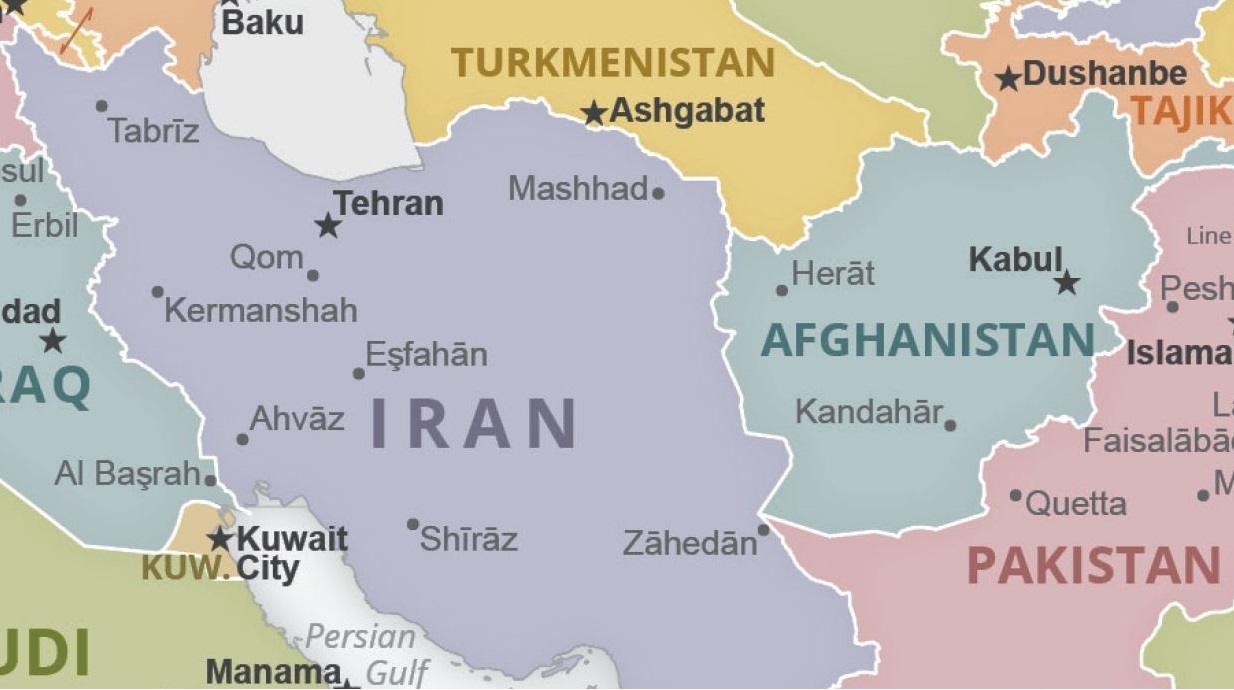
The agreement calls for an immediate lifting of the US naval blockade and a return to pre-war shipping volumes within 30 days. The Strait of Hormuz handles nearly 25% of global oil trade and a fifth of liquefied natural gas shipments. It's the world's most critical economic choke point.
The state-run IRNA news agency issued a fierce statement clarifying Iran's stance on the waterway. They explicitly stated that Iran makes absolutely no commitment to cede its management of the strait. Tehran insists that restoring shipping conditions doesn't mean giving up its sovereign control or bowing to Western naval dominance.
This is a dangerous flashpoint. The draft says the strait must operate without tolls or harassment. But if Iran insists on policing the waters with its Islamic Revolutionary Guard Corps (IRGC) navies while American warships patrol nearby, a single miscalculation could blow the whole ceasefire apart.
What Both Sides are Actually Conceding
The draft lays out a framework that forces both nations to swallow bitter pills.
What Iran has to give up
- The Nuclear Question: Iran must pledge never to acquire a nuclear weapon. Under the proposed framework, UN inspectors would oversee the down-blending of Iran's highly enriched uranium inside the country.
- The Regional Pause: The agreement demands a permanent and immediate cessation of hostilities on all fronts, which explicitly includes Hezbollah's operations in Lebanon.
- The Missile Exclusion: In a massive diplomatic pivot, the initial 60-day talks are strictly limited to nuclear issues and sanctions. Iran's proxy networks and ballistic missile programs are left off the table for now.
What the United States has to give up
- Sanctions Relief: The US must suspend sanctions on Iranian oil and petrochemical exports to let Tehran breathe economically.
- The Blockade: Washington has to pull back its aggressive naval posture that has strangled Iranian ports for months.
- Primary and Secondary Sanctions: If a final deal is reached, the draft mandates the complete lifting of the sweeping financial penalties that lock Iran out of the global banking system.
The Reality Behind the Trump Denial
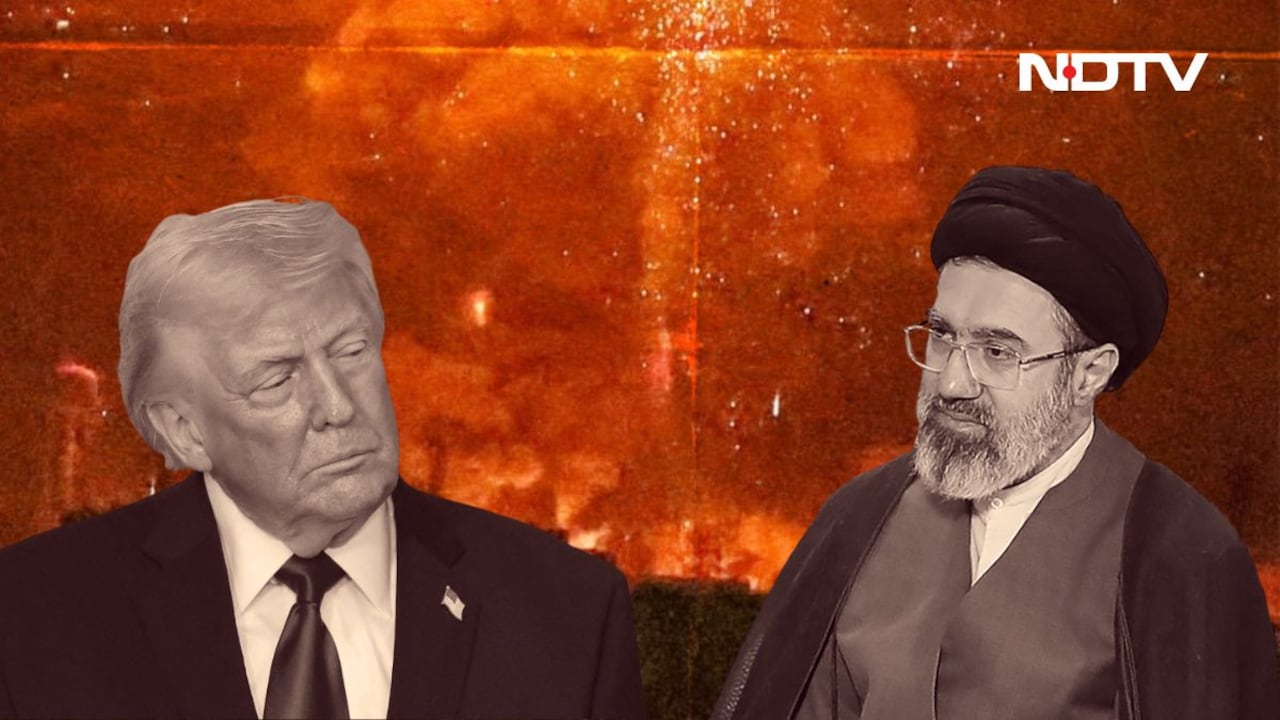
Donald Trump spent the last 24 hours calling the leaked terms false. He warned Tehran that they "better get their act together."
That's classic negotiation theater.
While the politicians posture for the cameras, real diplomatic work is happening in Switzerland and Qatar. Qatari mediator Ali Al-Thawadi has been shuttling messages between Iranian Foreign Minister Abbas Araghchi and Trump's close envoys, including Jared Kushner and Steve Witkoff.
The truth is that a deal is incredibly close, but the final mechanics are stalled. Iran's Foreign Ministry spokesman, Esmail Baghaei, admitted that most of the text is finalized. The current logjam is over timing. Iran wants the money upfront; the US wants the nuclear concessions first.
What Happens Next
Don't expect a smooth signing ceremony this weekend, despite rumors pointing to a Swiss breakthrough. The gaps on asset verification and verification of uranium down-blending are too wide to close overnight.
If you are tracking the energy markets or global security, keep your eyes on two specific leading indicators over the next 72 hours:
- Watch the Omani and Qatari central bank channels. If we see technical preparation for fund transfers, the draft is moving toward reality regardless of the political rhetoric.
- Monitor commercial shipping insurance rates in the Persian Gulf. If underwriters start dropping war-risk premiums, it means commercial vessels are betting the Strait of Hormuz is actually opening back up.
The framework is alive, but it's incredibly fragile. Both leaders need to look tough at home while desperately trying to avoid a catastrophic regional war.