We love neat chronological boundaries in history books. We like to think global conflicts start with a signature on a treaty or a sudden declaration over the radio. But looking back at the descent into twentieth-century chaos, history rarely announces its own massive turning points while they happen.
Right now, simultaneous flashpoints burn across Ukraine, the Middle East, and the Red Sea. Oil prices wobble, trade choke points face constant threat, and major capitals trade frantic warnings. It is no wonder people are asking whether World War III has already begun under our noses.
The Illusion of a Single Starting Gun
Think about how previous global conflicts kicked off. They rarely began with a coordinated, worldwide declaration of hostilities. Instead, they spun out of localized regional disputes that pulled in global superpowers through tangled webs of alliances and economic survival tactics.
Today's dynamic feels unsettlingly similar. You have a prolonged grinding war in Ukraine drawing direct strategic friction between Russia and Western nations. Simultaneously, an expanding conflict in the Middle East involves Iran, regional proxy networks like the Houthis targeting shipping lanes and energy infrastructure, and deeply entrenched military campaigns. When regional conflicts choke global energy supplies and force superpowers to pick sides, the dividing line between local war and global conflict starts to blur.
Economics as the Real Battleground
You don't need boots on the ground everywhere to fight a modern war. Economic choke points often do the heavy lifting first.
Consider how historical precedents like the 1941 oil and raw material embargoes against Japan forced an escalation that dramatically altered World War II. Today, threats to vital shipping lanes like the Strait of Hormuz or the Red Sea act as economic pressure cookers. When energy supplies, fertilizer logistics, and trade corridors face systemic disruption, nations feel existential pressure to protect their economic survival.
Superpowers tread carefully to avoid direct hot wars, but they wage fierce economic combat through sanctions, financial blockades, and supply chain weaponization.
Are We Actually Facing a Global Conflagration?
Veteran strategists urge caution before slapping the "World War III" label on every modern crisis. Real global wars carry an almost unimaginable human toll—tens of millions of casualties, total societal mobilization, and the restructuring of entire continents.
We aren't there yet. Nuclear deterrence still casts a massive, terrifying shadow over direct superpower clashes, forcing adversaries to fight through proxies, cyber warfare, and economic pressure rather than open armored combat.
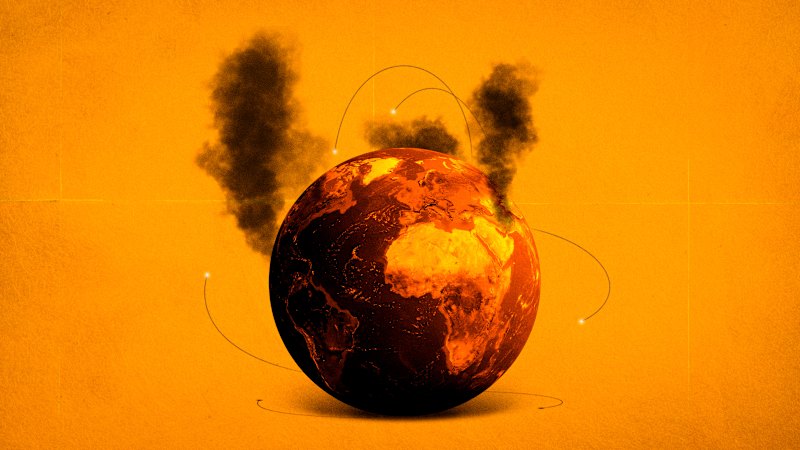
Yet the danger isn't that a global war has formally started. The danger is that these overlapping regional spot fires could merge into a single uncontrollable wildfire before anyone realizes the threshold has been crossed.
What You Can Do Now
Panic helps no one, but willful ignorance is dangerous. If you want to protect yourself and your household from escalating global volatility, take concrete steps today:
- Strengthen personal financial resilience: Keep an emergency cash buffer to handle sudden spikes in energy, food, and fuel prices driven by supply chain disruptions.
- Diversify your information diet: Look beyond sensationalist headlines and follow serious geopolitical analysts who focus on logistics, energy markets, and diplomatic backchannels rather than cheap clickbait.
- Audit your supply dependencies: Recognize how deeply your daily life relies on stable international shipping and energy flows, and build local redundancies where possible.
Stop waiting for a formal announcement. Pay attention to the supply chains, the economic levers, and the escalating friction points happening right now.