The skeptics were loud, relentless, and completely wrong.
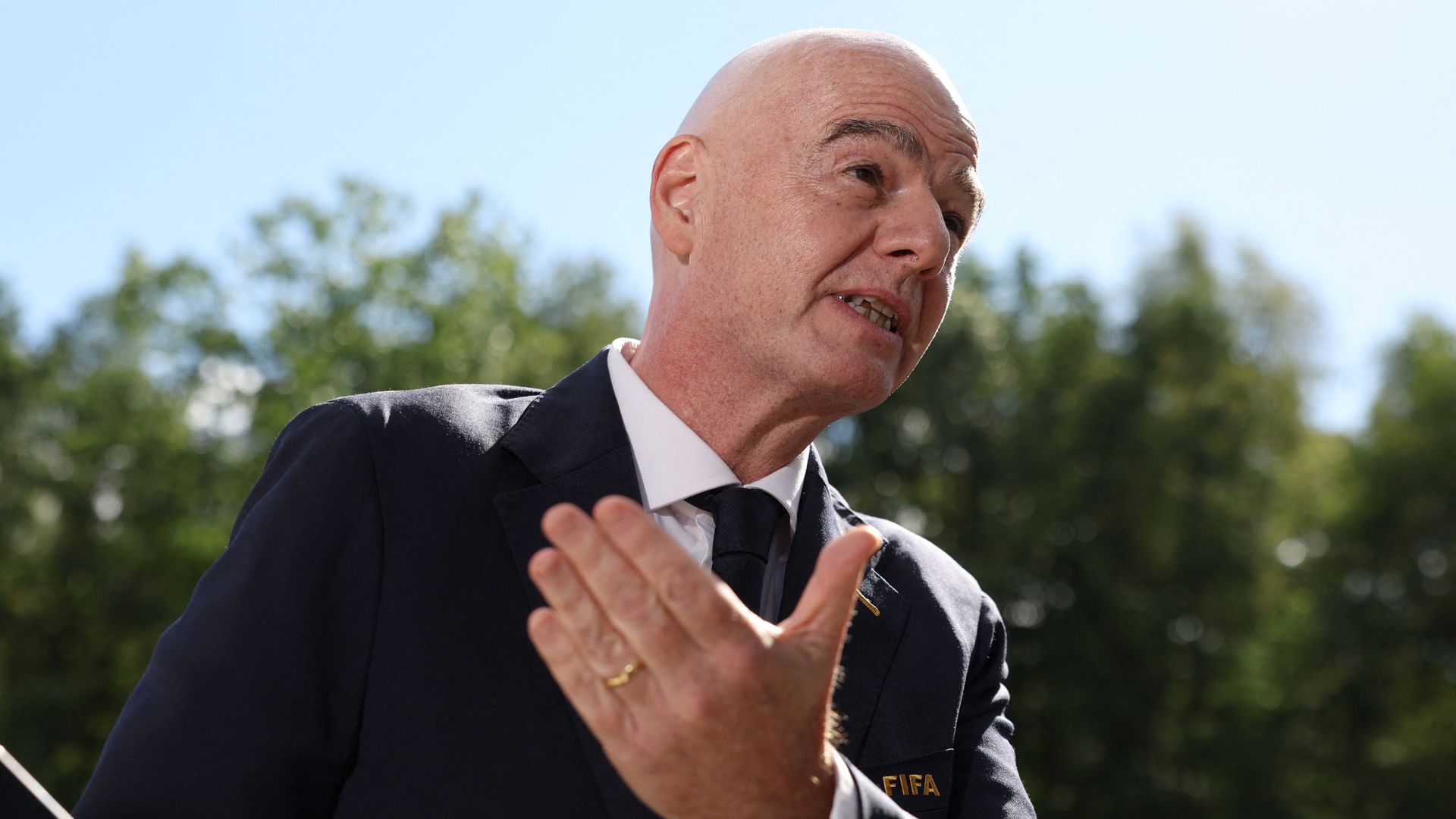
When Gianni Infantino announced that the 2026 tournament would balloon to 48 teams and span three massive countries across North America, purists scoffed. Critics argued that adding 16 national teams would dilute the competition level, turn the group stages into a snooze fest, and grind players into dust with relentless cross-continental travel. They predicted administrative chaos across sixteen host cities in Canada, Mexico, and the United States.
They missed the mark completely.
Now that the dust has settled on FIFA’s largest-ever World Cup, we can look at the real legacy of this mega-tournament. It wasn't just bigger; it fundamentally altered how international football operates, how host cities handle infrastructure, and how smaller footballing nations stake their claim on the global stage.
The Myth of Diluted Quality
Before a single ball was kicked, the biggest complaint was match quality. People swore that expanding from 32 to 48 nations meant bringing in third-tier squads that had no business playing on football's grandest stage.
It didn't happen.
Instead, the expanded format delivered dramatic group-stage storylines that standard formats never produced. Smaller nations didn't just show up to park the bus and defend for ninety minutes. They took risks. Smaller teams played with aggressive, high-pressing systems that caught traditional giants flat-footed.
When you give more countries a seat at the table, you don't lower the standard of play. You raise the stakes for everyone else. Traditional powers couldn't coast through their groups on name recognition alone. Dropping points against lower-ranked opponents meant risking an early flight home in the new round of 32 knockout stage.
The expanded format forced top-tier managers to adapt. Squad depth suddenly mattered more than individual superstardom. Managers who relied solely on eleven tired star players got exposed quickly by deep, young squads built for relentless pressing over a grueling month of play.
What Host Cities Learned from the Logistics Nightmare
Coordinating a tournament across Canada, Mexico, and the USA looked like an operational nightmare on paper. You had teams flying from coast to coast, changing time zones three times in a single week, and dealing with vastly different summer climates.
Honestly, it wasn't perfect. Flight delays caused headaches for traveling supporters, and ambient temperatures in southern venues tested player endurance to the absolute limit.
Yet the regional hub model mostly saved the tournament from becoming a travel disaster. Grouping team bases by geographic clusters meant teams weren't crossing the entire continent every three days during the opening stage.
Canada’s host venues in Toronto and Vancouver provided a fascinating case study in urban sports integration. Vancouver's BC Place and Toronto's BMO Field underwent significant upgrades to meet international standards. Millions of fans flooded official fan zones like Toronto’s Fan Fest, filling local businesses and public transit systems to capacity without breaking civic infrastructure.
Local organizing committees proved that multi-nation hosting works when transit planning takes priority over flashy venue construction. Instead of building wasteful white elephant stadiums destined to sit empty for decades, host cities invested heavily in temporary capacity expansions, grass pitch conversion technologies, and upgraded public transport corridors.
The Real Winner Was Fan Engagement
You can measure tournament success in TV ratings or ticket revenue, but the true test happens in the streets.
Across sixteen cities, fan culture took over downtown cores in ways North America had never seen before. Traditional European and South American supporters mixed with passionate local communities, creating matchday atmospheres that silenced early doubters.
Street festivals in Mexico City, giant public watch parties in Dallas, and packed fan zones in Vancouver proved that football culture has firmly taken root across North America. For thousands of fans who couldn't secure match tickets, the communal watching experience became the core memory of the summer.
Public transit systems in host cities recorded record-breaking passenger counts on matchdays. Local economies saw direct spending in hospitality, retail, and regional travel that exceeded early conservative estimates.
The Hidden Cost on Player Welfare
While the tournament was a commercial and cultural hit, we cannot ignore the physical toll on elite athletes.
Expanding the tournament added an entire knockout round. The teams that reached the final weekend played seven intense matches in a condensed timeframe, following a brutal club season with virtually no summer recovery window.
Sports science departments were pushed to their absolute limits. Managers had to manage player fatigue, dehydration, and soft-tissue injuries at unprecedented levels. We saw top-tier stars battling visible exhaustion during late-stage extra time periods.
If FIFA intends to maintain this expanded format for future World Cups, squad sizes must expand, and domestic leagues will have to trim their calendars. Expecting elite athletes to play sixty-plus club matches and then navigate a grueling 48-team international tournament is simply unsustainable over the long haul.
How Nations Should Approach Future World Cup Bids
If you're an administrator or civic planner looking at future multi-nation bids, the 2026 model offers clear lessons on what works and what to avoid.
First, stop building new massive stadiums from scratch. The 2026 hosts relied heavily on existing NFL, MLS, and professional venues. Modernizing modern facilities saves billions in taxpayer money and avoids long-term maintenance burdens.
Second, prioritize venue surface conversion early. Replacing artificial turf with high-grade natural grass across multiple North American venues required months of intensive agronomy work. Venues that started their field preparation early avoided pitch degradation issues during the group stages.
Third, cluster group matches logically. Fan travel remains the most expensive and complex part of attending a World Cup. Bidding nations must ensure high-speed rail lines or efficient regional air routes connect grouped venues seamlessly.
Practical Next Steps for Cities and Clubs
The end of FIFA’s largest World Cup marks a pivot point for sports administration and local athletic development.
- Audit local facilities: Municipalities should evaluate temporary venue structures used during the tournament to see what can be permanently adapted for community sports use.
- Review transit data: City planners need to study peak matchday transit flows to improve weekend public transportation schedules for future major sporting events.
- Revise player workload protocols: Club academies and professional leagues must adjust training schedules and mandatory rest periods to protect players participating in expanded international tournaments.
- Capitalize on grassroots participation: Local football associations should immediately scale up youth coaching programs while public interest and registration requests remain high.