Negotiation tables in Caracas rarely move quickly, but when they do, the aftermath is worth watching closely. Another wave of political prisoner releases has just hit Venezuela following fresh dialogue rounds between the government and opposition factions. Let's look at what's actually happening on the ground.
Behind the Latest Concessions in Caracas
Every time authorities announce prisoner releases, international observers rush to label it a turning point. You shouldn't hold your breath for an overnight democratic miracle. The reality is messy, incremental, and heavily calculated.
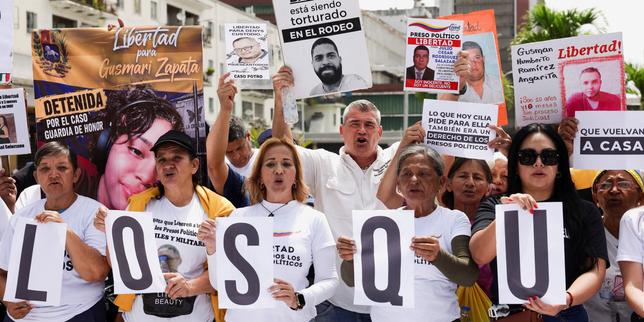
About thirty political detainees walked free after this latest diplomatic push. While families celebrate reunions outside detention centers, human rights organizations remind us of a stark numerical gap. Hundreds more remain locked away behind bars.
When you track Venezuela's political climate over the past year, you notice a recurring pattern. Concessions arrive whenever international pressure mounts or economic realities force the ruling party to seek breathing room. It's a game of political survival, not sudden goodwill.
The Cost of Dialogue Between Power and Opposition
Sitting across the table from your political adversary takes immense tactical patience. In Venezuela, the opposition faces an impossible dilemma. Do they engage in talks that risk legitimizing a restrictive system, or do they walk away and abandon jailed activists to their fate?
Most leaders choose dialogue because every single freed prisoner represents a human life reclaimed from arbitrary detention. Yet, critics argue that piecemeal releases function as diplomatic pressure release valves. They keep international sanctions at bay without altering the core structure of power.
- Talks happen behind closed doors with minimal transparency.
- Civil society groups verify releases independently because official data often lacks consistency.
- Pressure from global actors like Human Rights Watch remains a constant catalyst for change.
What Comes Next for Venezuela
Don't expect political stability to follow these releases automatically. The road ahead involves intense maneuvering ahead of future electoral cycles. Opposition figures abroad continue planning their returns, while citizens inside the country push for broader freedoms, including the unblocking of independent media portals.
If you're following Latin American politics, keep your eyes on the verification process. Real change won't be measured by headline-grabbing batch releases alone. Watch whether freedom of speech expands permanently and whether remaining political detainees receive fair legal processes or outright freedom.