Don't be fooled by the dry bureaucratic wording coming out of Washington and Beijing. The quiet expiration of the United States' national emergency declaration regarding Hong Kong isn't just a technical footnote. It's a massive geopolitical shifting of the gears.
For the past six years, Executive Order 13936 dictated the terms of engagement between the US and Hong Kong. Signed in July 2020 during Donald Trump's first term, the order basically treated Hong Kong the exact same as mainland China, revoking the city's special trade privileges and setting up aggressive sanctions. Now, that declaration has officially run its course.
The Hong Kong Special Administrative Region (HKSAR) government quickly hailed the move as a major step forward. Officials claim it paves the way to rebuild shaky economic ties. But if you look beneath the surface of the official statements, the reality is far more complicated than a simple return to normal business.
The Madrid Deal and the Secret Reality of the Thaw
Beijing and Washington didn't arrive at this point by accident. The decision by the Trump administration to let the national emergency lapse on July 14, 2026, stems directly from high-stakes economic consultations held in Madrid last year.
During those trade talks, American and Chinese negotiators hammered out agreements that included specific commitments regarding investment and Hong Kong's status. China's Ministry of Commerce openly framed the policy shift as Washington honoring its end of the bargain.
Timeline of the Policy Shift:
- July 2020: Trump signs Executive Order 13936, freezing Hong Kong's special status.
- Mid-2025: Secretive bilateral trade consultations conclude in Madrid.
- May 2026: Trump and Xi Jinping hold high-profile talks in Beijing.
- July 14, 2026: The US national emergency officially expires without renewal.
This sudden flexibility from the White House didn't emerge from a vacuum. It follows a crucial face-to-face meeting between Donald Trump and Xi Jinping in Beijing just two months ago. The diplomatic thaw is already yielding results. Earlier this month, Beijing released a prominent underground church pastor after Trump raised the issue directly with Xi. Letting the executive order lapse acts as the next major chip in a delicate game of chess ahead of Xi’s planned visit to the US later this year.
What the Fine Print Actually Says About Sanctions
The Hong Kong government wants you to believe the dark clouds have completely parted. It's true that the US Office of Foreign Assets Control (OFAC) scrubbed several local officials from its primary Specially Designated Nationals (SDN) list. Big names like Justice Secretary Paul Lam and former Police Commissioner Stephen Lo saw their property unblocked under this specific emergency order.
But don't break out the champagne just yet.
The US Treasury Department pulled off a classic bureaucratic bait-and-switch. While the national emergency under Executive Order 13936 is dead, separate legislative measures remain active. The Hong Kong Human Rights and Democracy Act of 2019 and the Hong Kong Autonomy Act of 2020 are still fully functional laws.
The Reality Check: Current Hong Kong Chief Executive John Lee and his predecessor, Carrie Lam, were indeed removed from the primary SDN list. However, OFAC immediately transferred their names to a different list: the Non-SDN Menu-Based Sanctions List. Their previously blocked assets stay frozen. Washington is easing the chokehold, but it hasn't let go of the rope.
👉 See also: city of long beach council meeting
The Trade Impact and What Happens Next
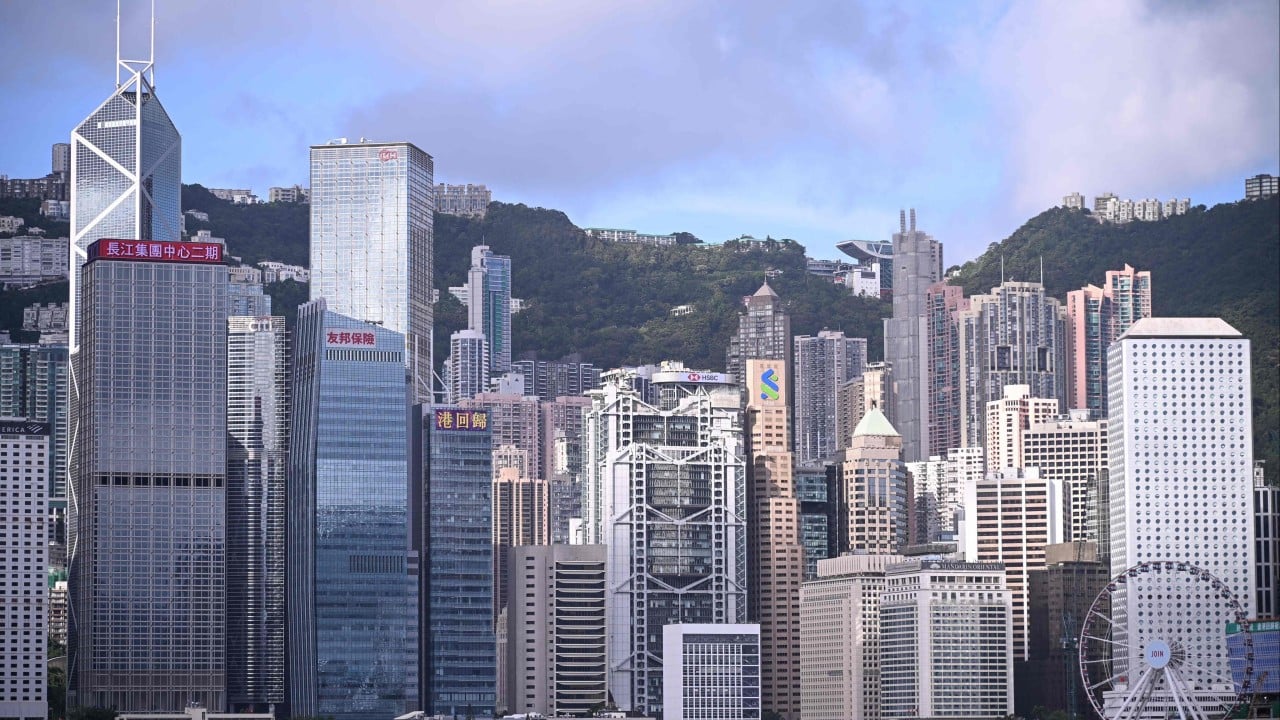
For global businesses and shipping hubs looking at the Kwai Chung Container Terminal, this shift matters immensely. The expiration opens the door to restore the preferential trade treatment Hong Kong enjoyed for decades. That means potential exemptions from strict US export controls on sensitive technologies could find their way back to the table.
Naturally, the decision faces fierce pushback from human rights watchdogs. Groups like Hong Kong Watch immediately condemned the administration, calling the move an unearned victory for the Chinese Communist Party. They argue that Hong Kong’s judicial independence and civil liberties are in worse shape now than when the sanctions were first imposed, meaning the US traded away critical leverage for economic concessions.
If you are an investor or business leader operating in East Asia, your next steps need to be calculated and pragmatic:
- Audit your compliance lists immediately. Your compliance team must update their frameworks to reflect the Treasury's shift from SDN to the Non-SDN Menu-Based Sanctions List.
- Re-evaluate shipping and tech export strategies. Keep a close eye on the US Department of Commerce. If they follow the Treasury's lead and ease export control exemptions, shipping logistics through the territory will get significantly cheaper and faster.
- Price in political volatility. This policy shift relies entirely on the fragile consensus between Trump and Xi. If trade talks sour later this year, Congress still holds the statutory power to ramp pressure back up through existing legislative acts.
The baseline reality changed. The US is treating Hong Kong less like an adversary and more like a bridge again, but the underlying legal architecture to penalize the city remains waiting in the wings. Adjust your risk profiles accordingly.